

Iran has issued an assassination threat against Donald Trump as US bombing of the country continues.
The warning follows the death of Iran’s former supreme leader Ayatollah Ali Khamenei, who was killed amid US and Israeli airstrikes.
Khamenei was only the second individual to hold the role, having taken over after Ruhollah Khomeini died in 1989.
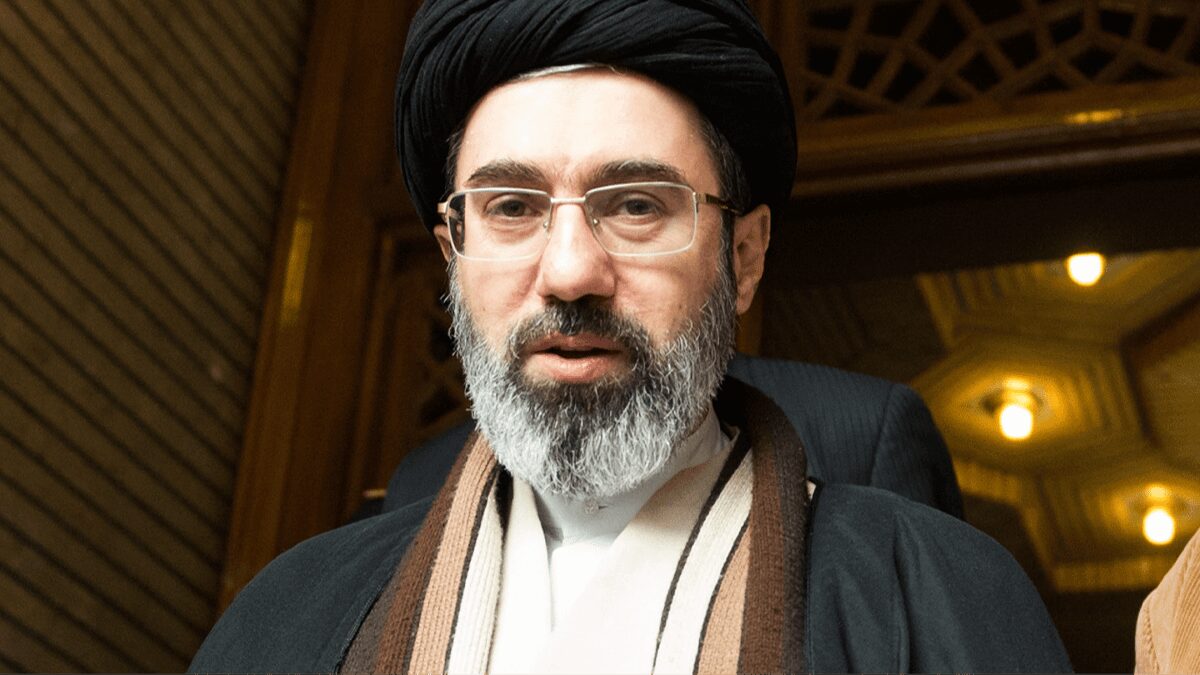
His son, Mojtaba Khamenei, has now been selected as the next supreme leader, becoming the first to assume the position without having been directly involved in the 1979 revolution that brought the Shia Islamist government to power.
In the wake of the leadership change, Iranian officials have issued a direct threat toward Trump while also invoking Iran’s long history of resisting foreign attempts to subdue it.
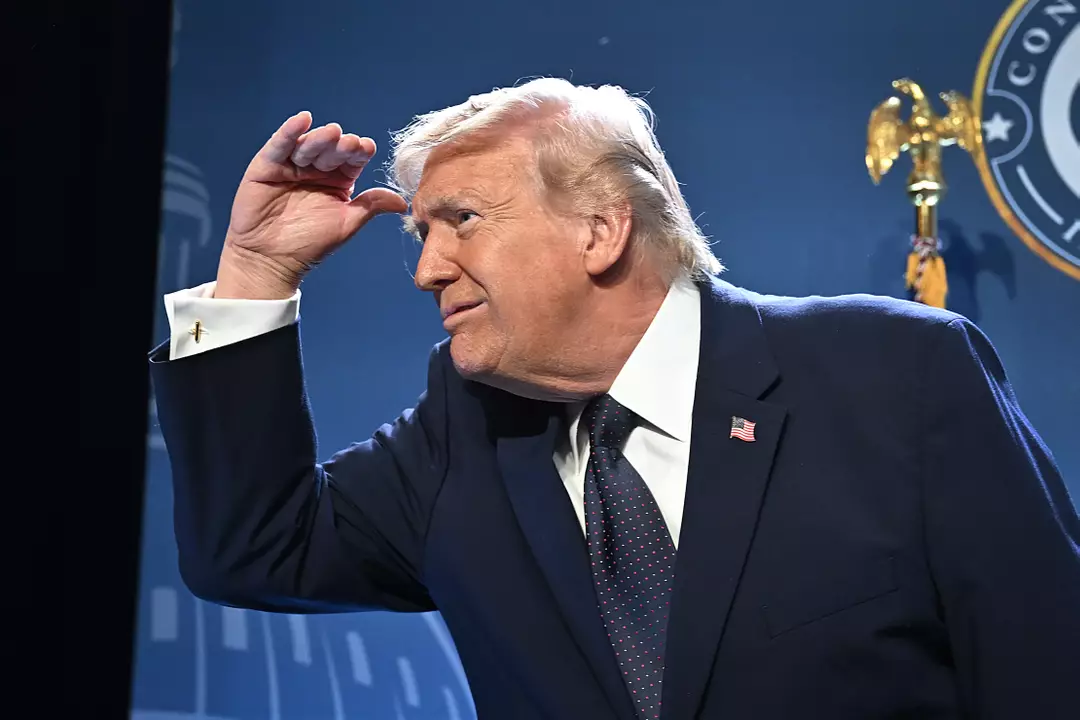
The message was delivered by Ali Ardashir Larijani, the secretary of the Supreme National Security Council, after Trump posted on his platform Truth Social.
Larijani said: “The Ashura nation of Iran is not afraid of your empty threats. Even those greater than you could not eliminate the Iranian nation. Be careful not to be eliminated!”
He ended the statement by writing: “Supreme National Security Council of Iran, Tehran, March 19, 1404 – 10 days after the martyrdom of His Holiness Grand Ayatollah Seyyed Ali Khamenei.”
Trump has previously warned that any Iranian move to interfere with oil shipments through the Strait of Hormuz would be met with a response he described as ‘twenty times harder’.
The Strait of Hormuz is a narrow maritime corridor linking the Persian Gulf to the Gulf of Oman, bordered by Iran to the north and—with the UAE peninsula—along its southern side.
It serves as a crucial passage for exports from Kuwait, Bahrain, Qatar, Saudi Arabia, and Iraq, enabling tankers to travel west toward the Suez Canal or east toward Pakistan and India.
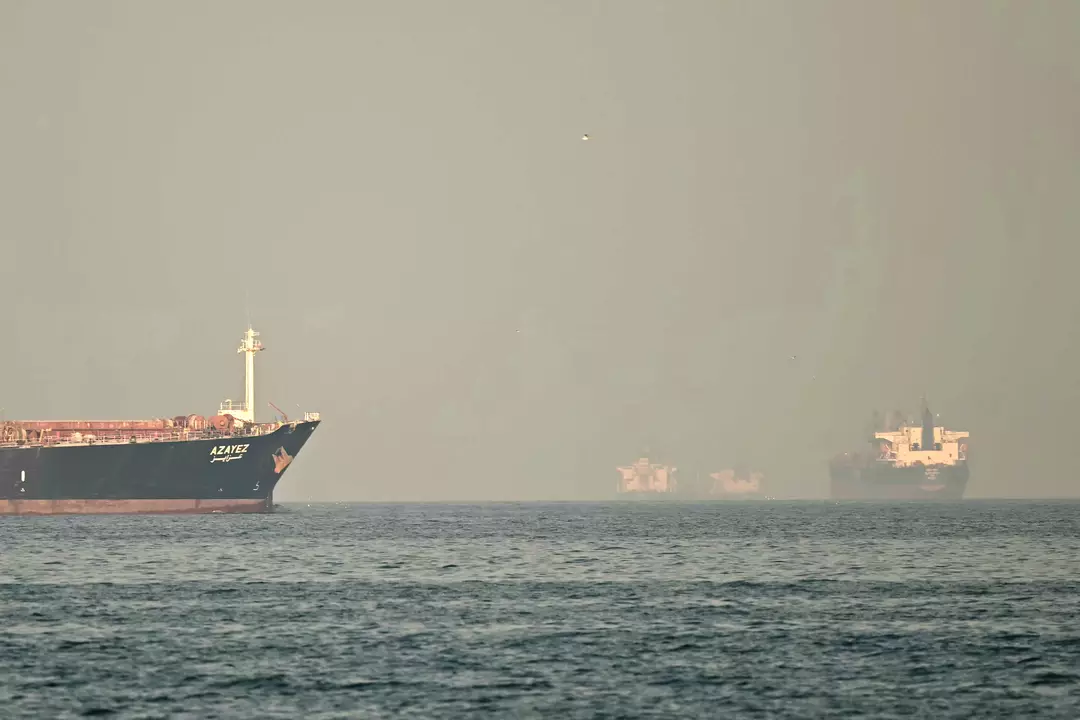
Roughly 20 percent of global oil output moves through the strait, and the conflict has already driven prices upward, with a barrel reportedly climbing to $119.
Under normal conditions, about 100 ships pass through the channel each day, but the war has sharply reduced that flow.
Reports said that only a small number of vessels not associated with Iran or Russia have attempted the journey—one reportedly turning off its transponder until it was well en route to Mumbai, and another indicating it was Chinese-owned and crewed.
The downturn in traffic has come even as Trump has tried to reassure the industry, announcing a $20 billion reinsurance plan and urging oil tanker crews to ‘show some guts’.