

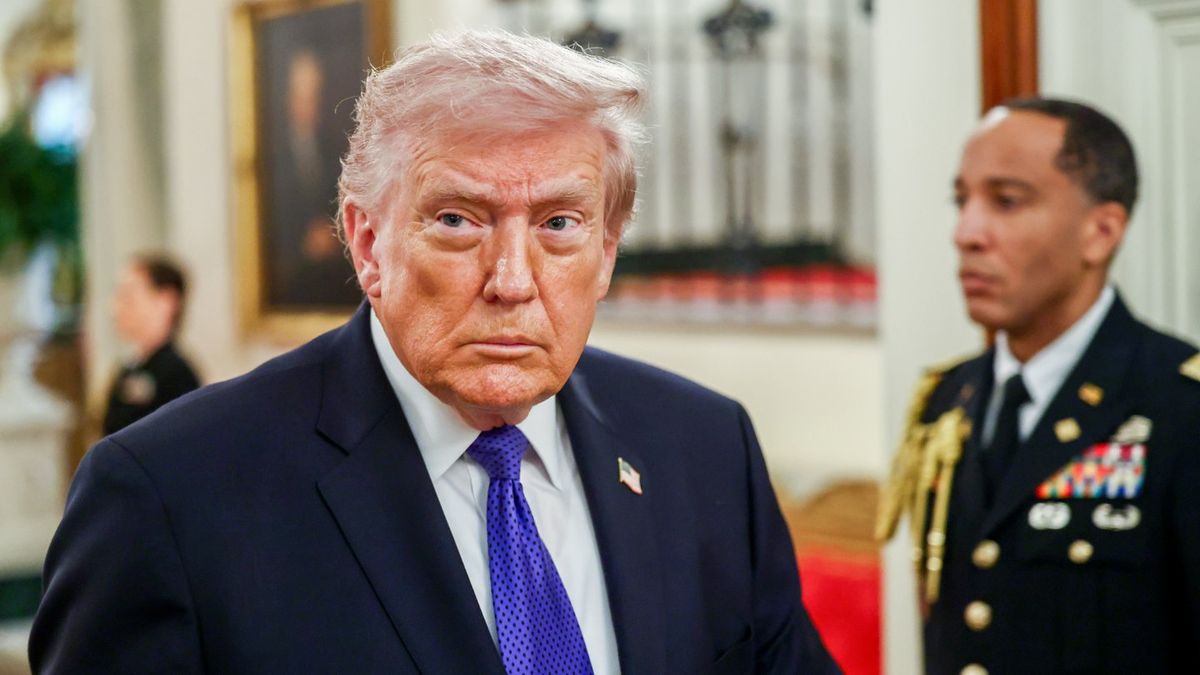
Even as the White House insists US-Israeli strikes have crippled Iran’s leadership and military infrastructure, drones and missiles are still causing disruption and damage across the Middle East.
President Trump’s broader objectives in the conflict have not been clearly defined, but the scale of the opening barrage has been stark. Reports said that roughly $5.6 billion worth of explosive ordnance was used against Iran in the first 48 hours alone.
Yet despite Trump saying there is “nothing left to target,” Iran has continued launching Shahed drones—low-cost weapons that have nonetheless proven lethal—toward US positions and partner states around the Gulf. One global security expert argues that this pattern suggests Washington may be stepping into an escalation plan designed to shift the war’s dynamics.
Invoking the saying that “history repeats itself, first as tragedy, then as farce,” University of Chicago professor Robert Pape contends that Iran’s approach echoes a familiar playbook—one that, he believes, contributed to roughly 2000 American deaths in Vietnam.
Pape, author of Bombing to Win: Air Power and Coercion in War—a major work arguing air strikes alone cannot reliably force regime change—warned in Foreign Affairs that “America and Israel may have bitten off more than they can chew.”
This warning comes despite a casualty imbalance that heavily favors Washington and its allies: seven US service members have reportedly been killed over the past week and a half, while Iranian deaths have exceeded 1200 following sustained US-Israeli strikes.
But Pape argues that the lopsided numbers do not negate Iran’s strategic intent. In his view, Tehran’s interest lies in increasing risk, broadening the battlefield, and stretching the conflict in ways that raise political and economic costs.
The academic explained: “Iran’s strikes cannot be dismissed as acts of scattered retaliation, the flailing lashing out of a dying regime. Rather, they represent a strategy of horizontal escalation, a bid to transform the stakes of a conflict by widening its scope and extending its duration.”
Pape also wrote: “Horizontal escalation occurs when a state widens the geographic and political scope of a conflict rather than intensifying it vertically in a single theatre,
“It is especially appealing as a strategy for the weaker parties in a military contest. Instead of trying to defeat a stronger adversary head-on, the weaker side multiplies arenas of risk – drawing additional states, economic sectors, and domestic publics into the remit of the conflict.”
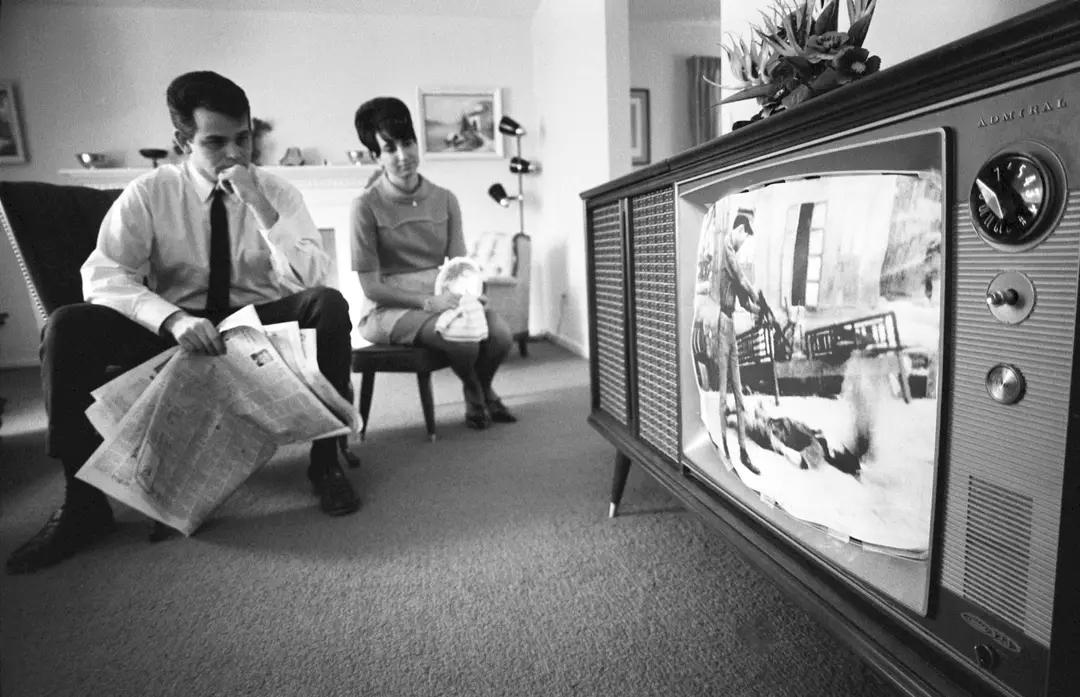
He frames the approach not as a novel breakthrough, but as a calculated reading of how a militarily weaker force can reframe a conflict—winning strategically even if it appears to be losing on paper. In Pape’s comparison, the historical parallel is the Tet Offensive.
By 1968—three years after the US entered the Vietnam War in an effort to halt the spread of communism in Asia—American forces had dropped more ordnance on Vietnam than was used across the entirety of World War Two.
That aerial campaign, Operation Rolling Thunder, was meant to break North Vietnam’s capacity to fight by pounding key military and industrial sites. Washington believed that intensifying pressure from the air could help force an end to the war.
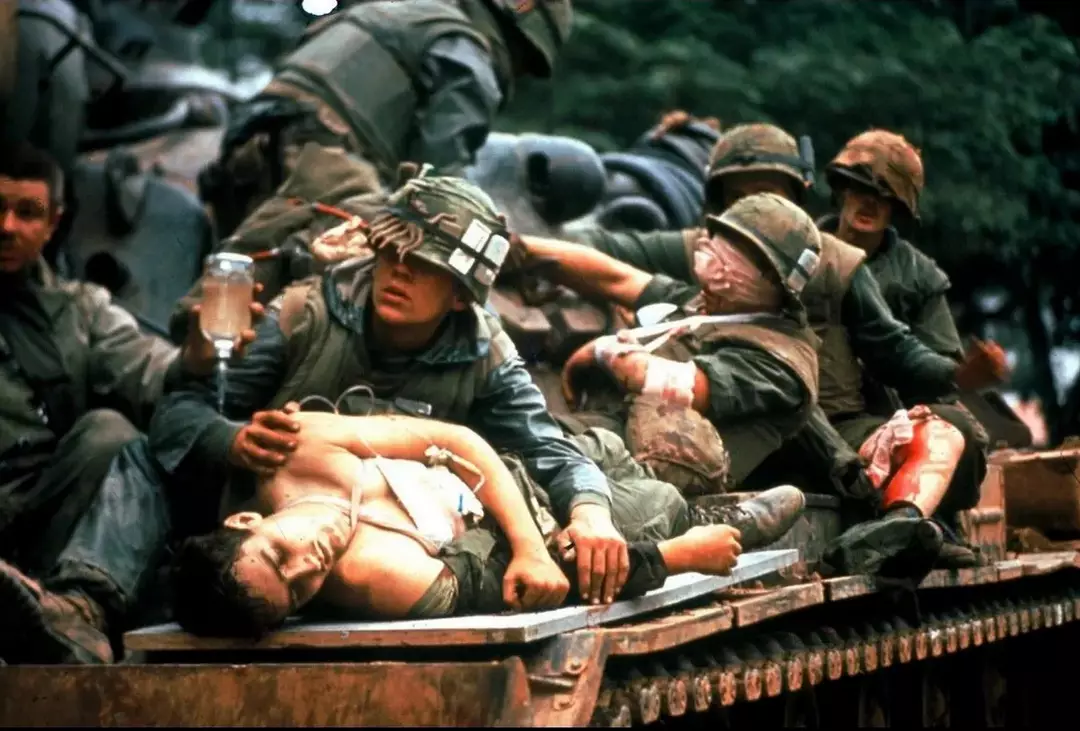
Instead, a few months later and during a national holiday, communist forces carried out coordinated attacks on more than 100 targets throughout Vietnam. While the offensive is believed to have inflicted tens of thousands of North Vietnamese deaths, about 2000 Americans were also killed.
Pape’s point is that the most consequential impact was political—felt back in the United States—where public confidence in the government’s ability to end the war was permanently damaged, even though US forces had prevailed in each individual engagement.
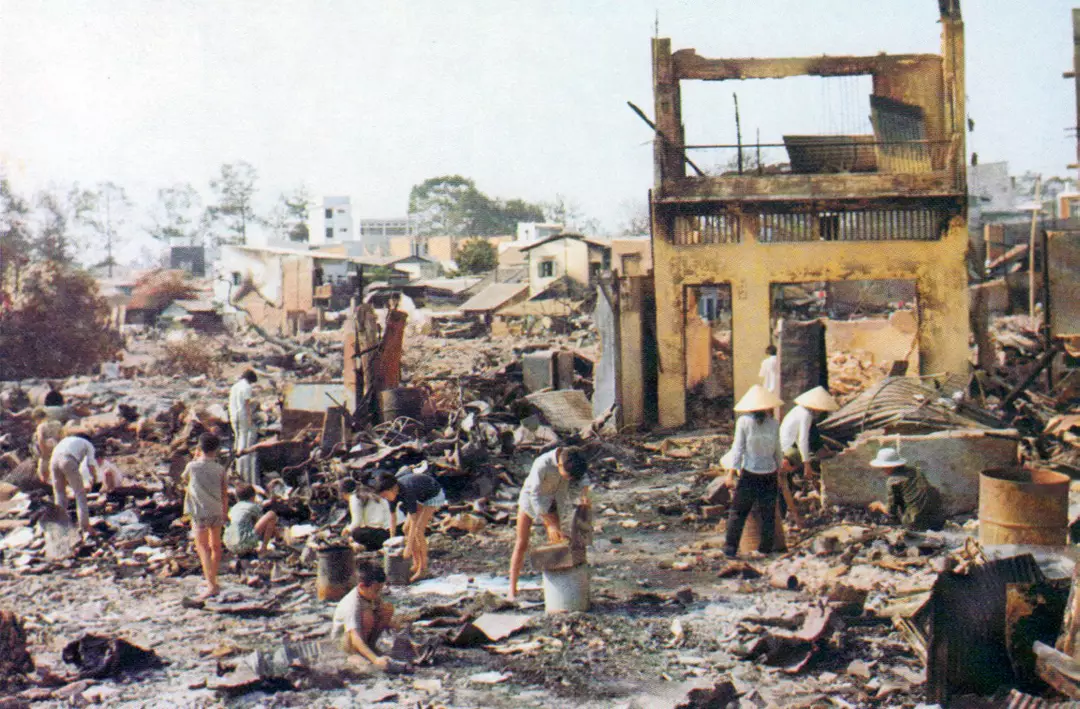
Professor Pape explained: “The lesson was not that bombing failed tactically. It was that Hanoi escalated horizontally, widening the conflict beyond rural battlefields into South Vietnam’s cities and political nerve centers, transforming a military contest into nationwide political upheaval, and reshaping domestic calculations in Washington.
“In Vietnam, the United States never lost a battle—but it still lost a war.”
Pointing to threats to mine the strategically vital Strait of Hormuz and to target oil infrastructure across the region, Pape argued that Iran’s actions reflect the same underlying logic—raising costs and expanding consequences beyond the immediate battlefield.
Still, he suggested the US is not locked into repeating past mistakes. In his view, the key is whether Washington identifies the strategy in time and responds with comparable precision.
Pape added: “Whether this conflict is merely a contained episode or it becomes a prolonged strategic setback for the United States will depend not on the next volley of missiles but on whether Washington recognizes the enemy’s unfolding strategy—and responds with one of equal clarity.”