

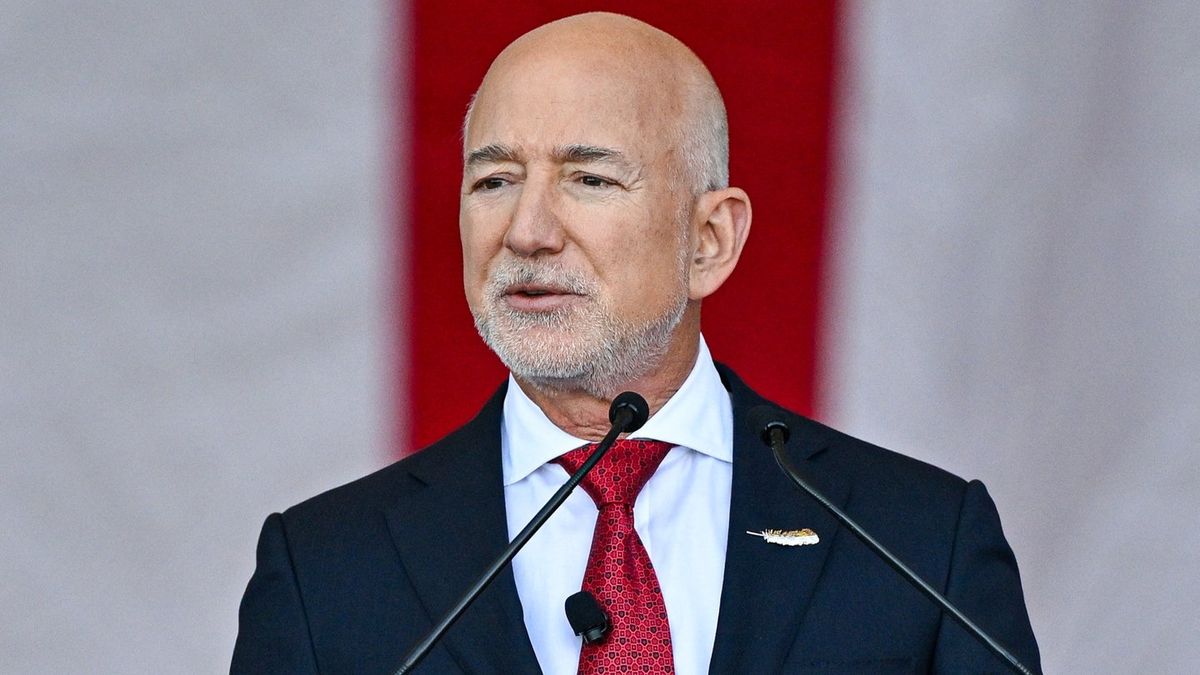
Jeff Bezos has spoken about the kinds of questions he faced while pitching Amazon to early investors.
Today, Amazon is a global powerhouse, reportedly generating more than $2 billion in daily revenue. But in its earliest days, it was just an online bookstore trying to raise enough money to get off the ground.
Bezos later recalled how grueling those fundraising conversations were, saying the process was the toughest stretch he’d experienced. At the time, he put 20 percent of the company on the table for $5 million, yet most potential backers weren’t convinced—40 out of 60 meetings ended with a rejection.
“I had to take 60 meetings. It was the hardest thing I’ve ever done, basically,” he said at the New York DealBook Summit.
Among the more memorable moments, Bezos said, was a question from wary investors that sounds almost impossible in hindsight.
They asked him: “What is the internet?”
“The first question was, ‘What’s the internet? Everybody wanted to know what the internet was’,” Bezos explained.
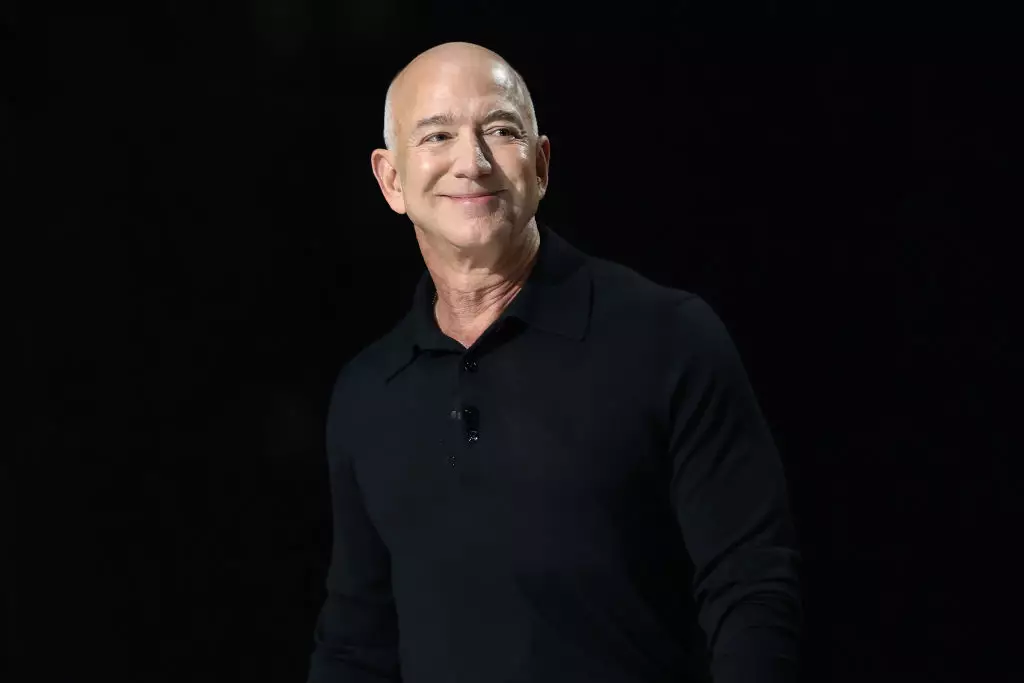
He also emphasized how pivotal those early checks were—and how candid he tried to be with people considering the risk. Bezos said he would openly tell investors there was a strong chance they might lose their money.
Bezos added: “I would always tell people I thought there was a 70 percent chance they would lose their investment.
“… The whole enterprise could have been extinguished then.”
Amazon launched in 1994, initially operating out of Bezos’ modest, single-floor office near Seattle while the idea of buying products online was still unfamiliar to many.
That startup-era environment has been described by some of its earliest hires, including Joshua Burgin, who joined as one of the company’s first 100 employees.
Burgin has said he first learned about the opportunity through a job posting in the University of Washington newspaper, which led him to interview for a role at the fledgling business.
Joshua shared on Medium: “I interviewed with the Jeff Bezos in Amazon’s single floor office (yes, we all fit on one floor! No, I don’t think he remembers me).”
He got the job and remained with Amazon for more than three years as the company began scaling beyond its earliest phase.
After leaving in 2000, Burgin spent the next 14 years working on a range of other ventures. He later returned in 2014 to join Amazon Web Services (AWS), where he still works.
Bezos has also talked about what he values when meeting potential new hires, particularly the ability to build solutions rather than accept limiting choices.
“When I interview people, I ask them to give me an example of something they’ve invented,” Bezos said.
“You want to select people who like to invent their way out of boxes and don’t necessarily immediately go to either/or – ‘we can do A or B’.”
He has argued that the most valuable mindset isn’t always about arriving at the “correct” response, but about reframing the challenge with a better prompt.
“The right question is, ‘How can we do A and B? What invention do we need to be able to do both?’ So that’s a lot about selection,” he added.