


A sexual health doctor has shared a method that could help men last longer during sex.
Dr Mark Perera, a GP who specialises in sexual health, recently took part in a Q&A for the outlet Stories where he responded to a range of questions about sex and relationships, including some of the concerns younger people most often raise.
One topic he addressed was premature ejaculation, which is when a man ejaculates sooner than he or his partner would like during sex.
Premature ejaculation may be diagnosed when a man ejaculates within one to three minutes of sex every time or almost every time, can’t delay ejaculation during sex, or begins avoiding sexual intimacy as a result.
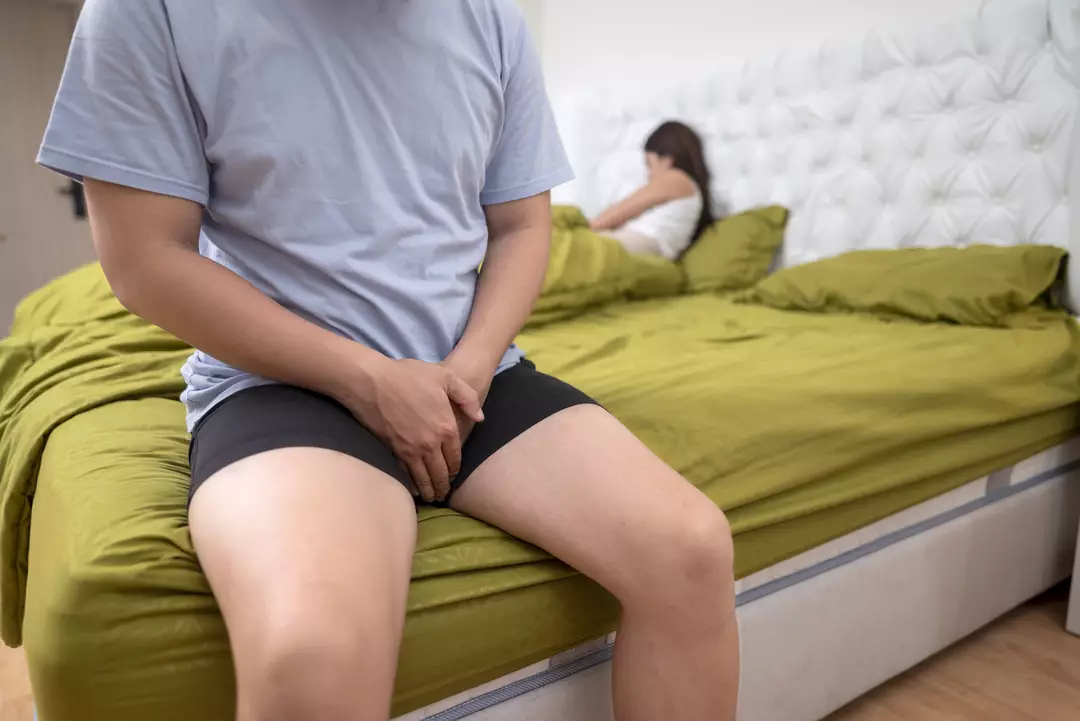
When asked whether there’s anything men can do to last longer in bed, Dr Perera said there are a few approaches that may help.
He said: “It can often be just the way your brain works but there are things you can do.
“There’s a technique called squeeze and stop where you can kind of pull out, squeeze and hold and allow yourself a break.
“You can masturbate before sex because then the threshold is lower. If it’s really common and affecting your life, speak to your doctor, because there are numbing gels, therapy and oral tablets you can take if it’s really affecting your quality of life.”
Dr Perera also discussed erectile dysfunction, noting that it’s an issue he regularly encounters.
“Believe it or not, 90 percent of why people can’t keep it up is psychogenic rather than medical,” Dr Perera explained.
“Have a look into your lifestyle – if you’re stressed, not sleeping properly, drinking too much – that could be one of the reasons.
“Have a look at those, address those and if you’re still worried see a doctor because sometimes, erectile dysfunction can be about diabetes or heart disease.”
He added that while doctors can prescribe medications such as viagra, it’s often sensible to look at other factors first and tackle potential underlying causes.
Erectile dysfunction (ED) is when a man struggles to get or maintain an erection during intimacy, and research suggests stress, trauma and physical health conditions can all play a role.
According to the NIH, ED is thought to affect roughly 30 to 50 million men in the US, with potential knock-on effects for confidence, mental wellbeing and relationships.