

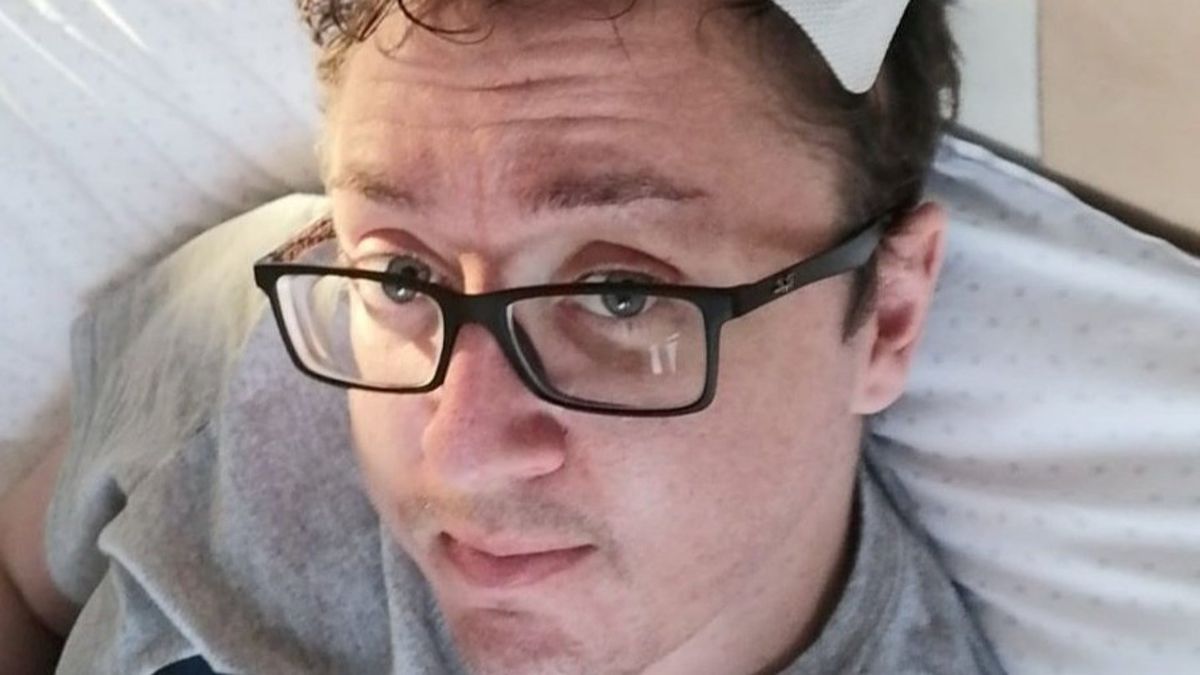
A British man has spoken about the shock of being diagnosed with a brain tumor after ignoring potential symptoms for years.
Many of us assume we’re generally healthy, and that the odd nagging issue will clear up on its own.
But sometimes those seemingly minor problems can point to something far more serious.
That’s what happened to Welshman Craig Alexander, who was told he had a brain tumor when he was 35.
He said: “Looking back, there were warning signs – but I put it all down to tiredness, dehydration and long working hours.
“Nothing prepares you for being told you have a brain tumor.
“One moment I was working, travelling and living my life as normal, and the next I was facing major brain surgery and the very real possibility of losing my independence.
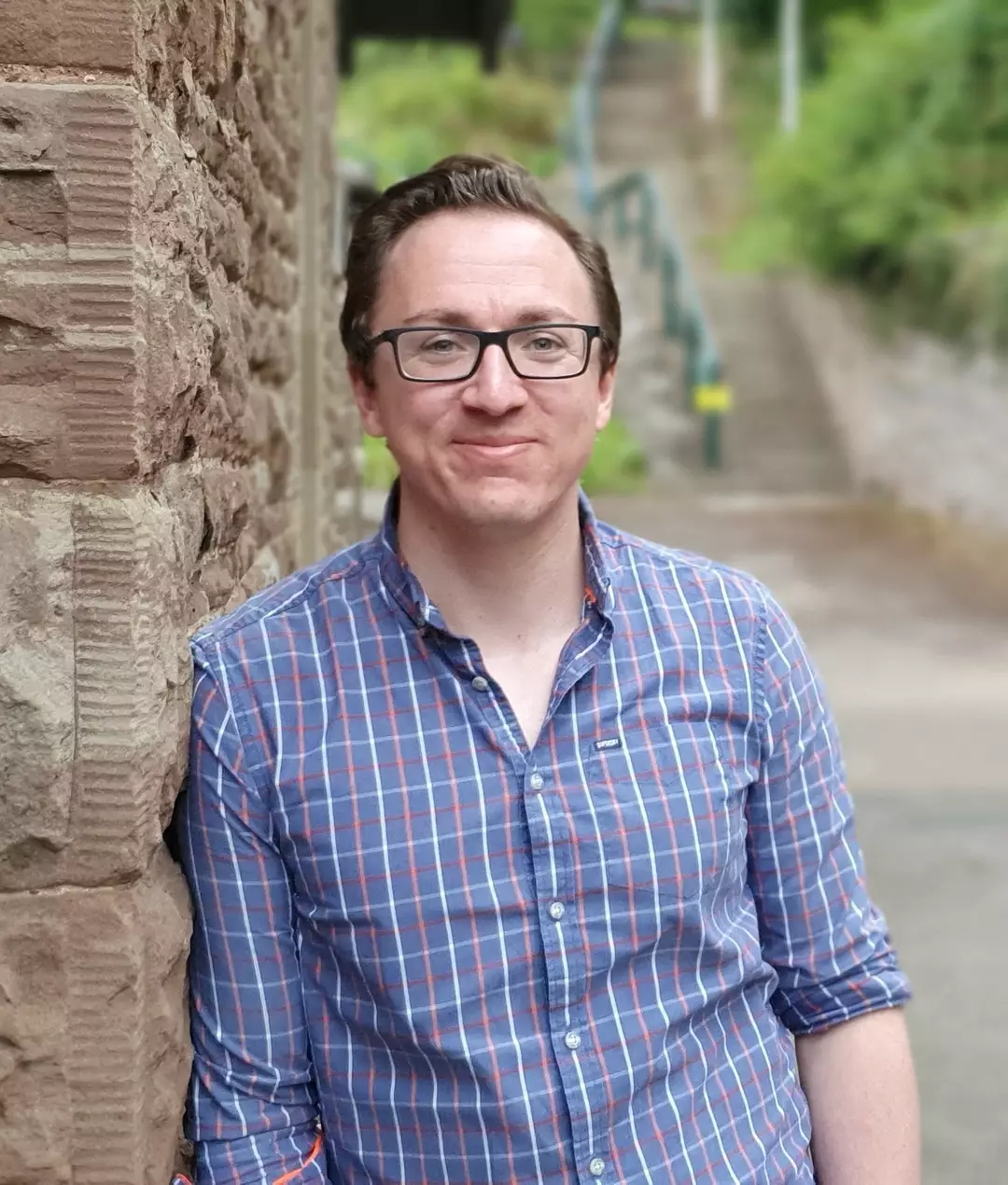
“Because of the catastrophic risk of further impairment, there are no surgical options left for me. I live with a tumor.
“Right now, my focus is on my health and rebuilding my energy.”
Alongside these challenges, Craig dealt with headaches, dizziness, tremors, and changes to his vision — issues he assumed were down to stress and everyday pressure.
He only discovered what was happening after suffering a seizure while in a car with a colleague, after which he was taken to hospital for scans.
Doctors found a large tumor measuring 75mm by 35mm, located deep and centrally in his brain. Craig subsequently underwent surgery as well as radiotherapy and chemotherapy. Because of the tumor’s position, treatment left him unable to walk or speak immediately afterwards.
Now 38, Craig says his health has improved, though day-to-day life can still be difficult and he continues to live with certain limitations.
He is also backing the launch of a manifesto for Wales by the Brain Tumour Research charity.
The organization is urging swift action to improve care and outcomes for people diagnosed with brain tumors.
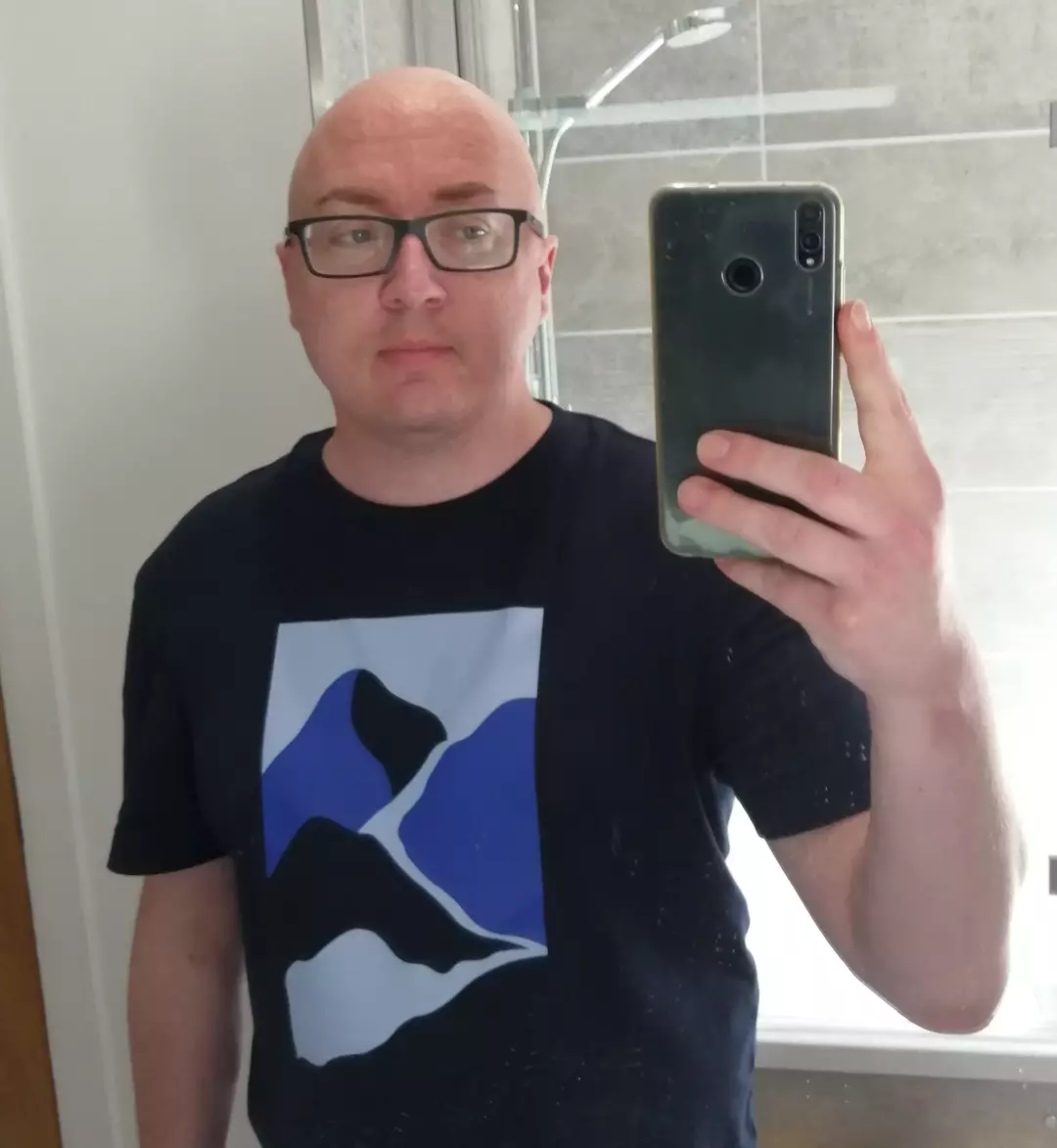
Speaking on this Craig said: “Craig said: “Something as basic as getting a blood test before a contrast MRI became a major ordeal at one point I had to travel to Hereford [from Wales] just to have my bloods taken.
“There is a real lack of joined-up care and follow-up, and it often felt like I was falling through the cracks.
“When you’re dealing with a brain tumor, you shouldn’t also have to fight the system to get the most basic parts of your care.”
Director of Research Policy and Innovation at Brain Tumour Research Dr Karen Noble has added: “Brain tumors are the leading cause of cancer death in children and young people, yet patients [in Wales] are being locked out of innovation.
“Our manifesto for Wales is a clear, evidence-based roadmap to change by expanding access to clinical trials, embedding whole genome sequencing into standard care, and committing to targeted research funding.”