

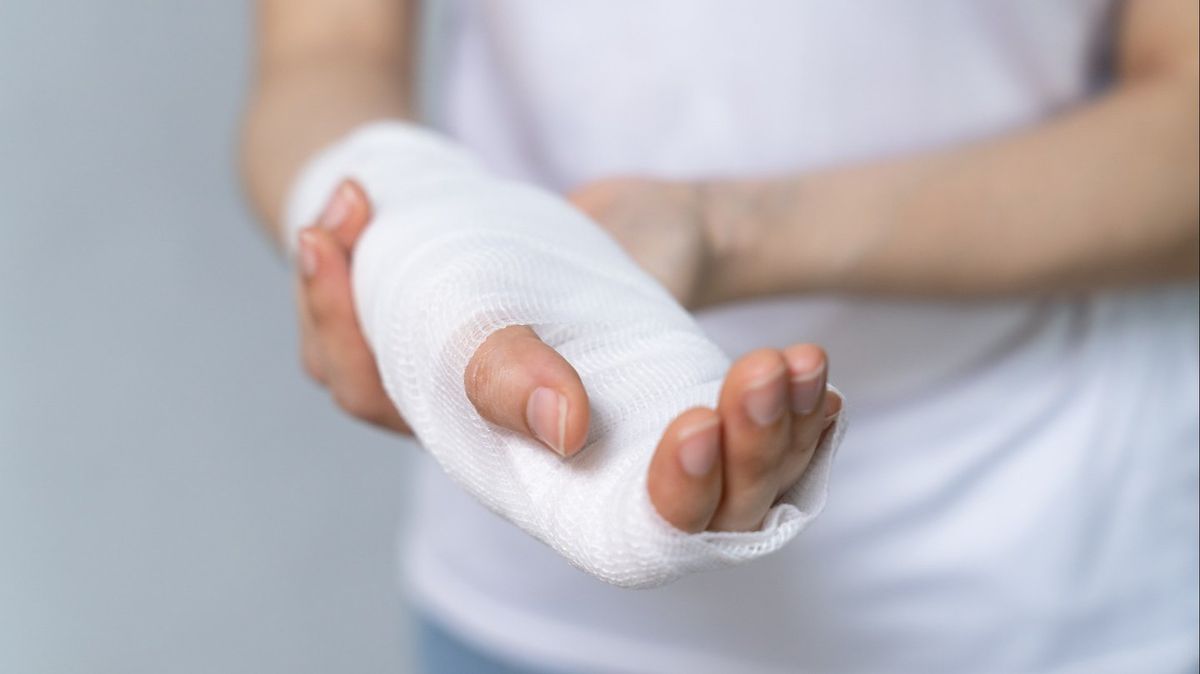
Whether you’re skateboarding, sprinting to catch a bus, or simply stepping off a curb a little too boldly, there’s that moment when everything goes wrong and you hit the ground in sudden, intense pain.
Broken bones are surprisingly common. Doctors estimate that roughly 40–50% of people will fracture at least one bone at some point in their lives—often injuries like a wrist fracture, a broken finger, or a broken arm.
As unpleasant as the injury is, what happens next is one of the body’s most impressive tricks. Under a plaster cast, your body can rebuild solid bone and, in many cases, restore it to near its original strength and shape.
Fractures come in many forms, and they’re most often caused by falls, car crashes, and sports-related injuries, according to the Cleveland Clinic. Treatment usually involves stabilising the area with a splint, cast, or brace while the bone repairs itself, though certain fractures require surgery.

A doctor may describe the break as a clean, straight-line fracture or a more jagged fracture with an uneven line. Other types include stress fractures, buck fractures, compression fractures, and several more variations.
When a bone breaks, the injury damages blood vessels inside the bone, triggering internal bleeding and inflammation, as explained in a TED-Ed video on bones. That immediate reaction serves as the body’s alert system, kicking off the healing process.
Over the following week, the fracture area is ‘flooded’ with immune cells that clear away damaged tissue and get the site ready for reconstruction. Those immune signals also attract stem cells, which travel to the injury and begin changing into chondrocytes. Using the clotted blood as a base, these cells form a callus made from cartilage. Cartilage is much weaker than bone, but it’s a fast and effective temporary scaffold.
Next, some of those chondrocytes and stem cells become osteoblasts—the cells responsible for building bone. With their help, the body replaces the weaker cartilage structure with a sturdier bony callus. After that, the process moves into the next phase: remodelling.
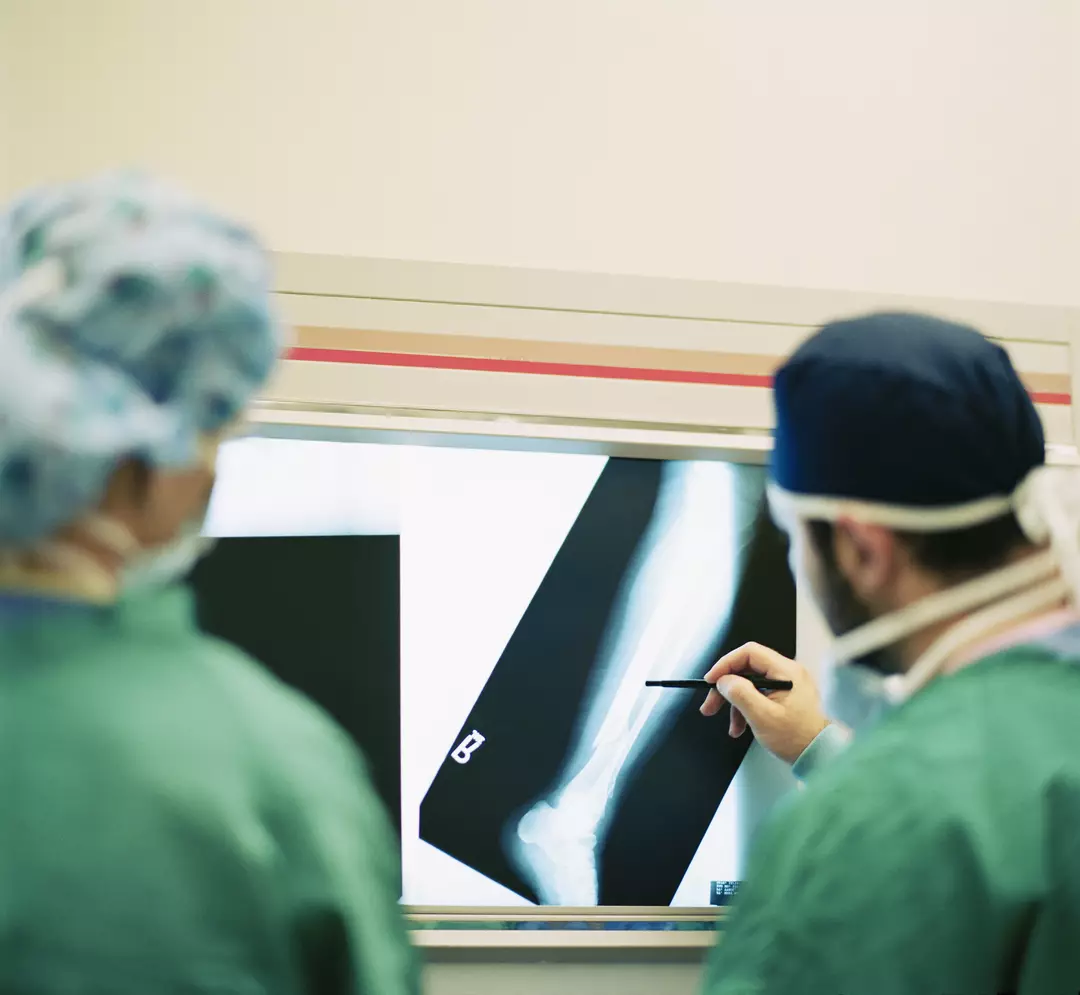
During the months that follow, another type of cell gradually breaks down and removes the bony callus, while osteoblasts continue laying down fresh bone. This is the stage where the bone is refined and reshaped, helping the injured area return closer to its original form.
Even so, signs of an old fracture can sometimes still show up on scans years—or even decades—after the injury. Although bones regain function and remodel toward their previous shape, the repair can leave subtle structural traces. In some cases, a thicker, denser area may remain around the fracture site where callus once formed.
If the bone didn’t heal in perfect alignment—even with a cast, splint, surgery, or other support—there may be a visible change in shape or alignment.
A lingering bump or slight mark can also remain as part of the remodelling process.
When a bone heals poorly aligned, a surgeon may need to re-break it, correct its position, and then secure it with pins, plates, or screws so it can heal correctly.
Healing time differs from person to person and can depend on factors such as nutrition, how complex the fracture is, and whether the patient is getting enough rest. That’s why following medical advice—especially instructions to rest—can make a real difference.
If you suspect you’ve broken a bone, seek professional medical attention as soon as possible.