

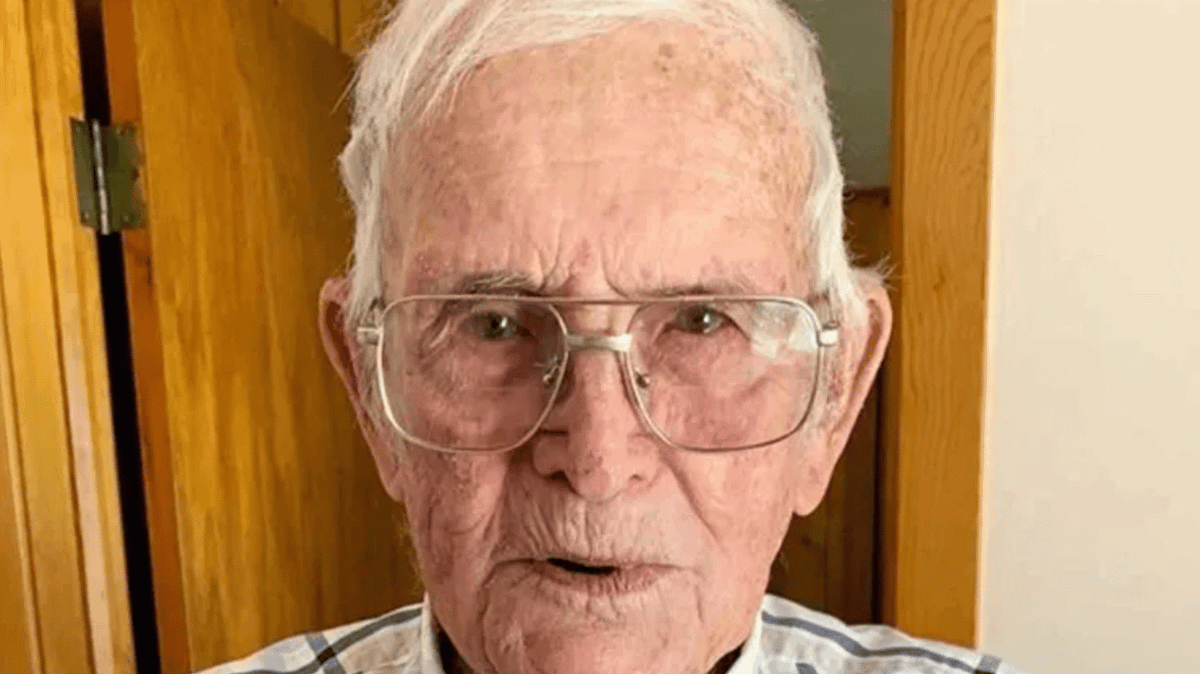
A World War II veteran who reached 100 years old left behind a remarkable, life-saving gift—ensuring his extraordinary legacy will continue for years to come.
Dale Steele, of Pierce, Nebraska, served in the closing stages of World War II across France, Germany, Belgium, and Czechoslovakia, according to the organ procurement organization Live On Nebraska.
The organization explains that during his final assignment, Dale “sought out remnants of the German army and assisted concentration camp survivors in returning home”.
During his service, he also rose to the rank of staff sergeant and was stationed in Nuremberg.
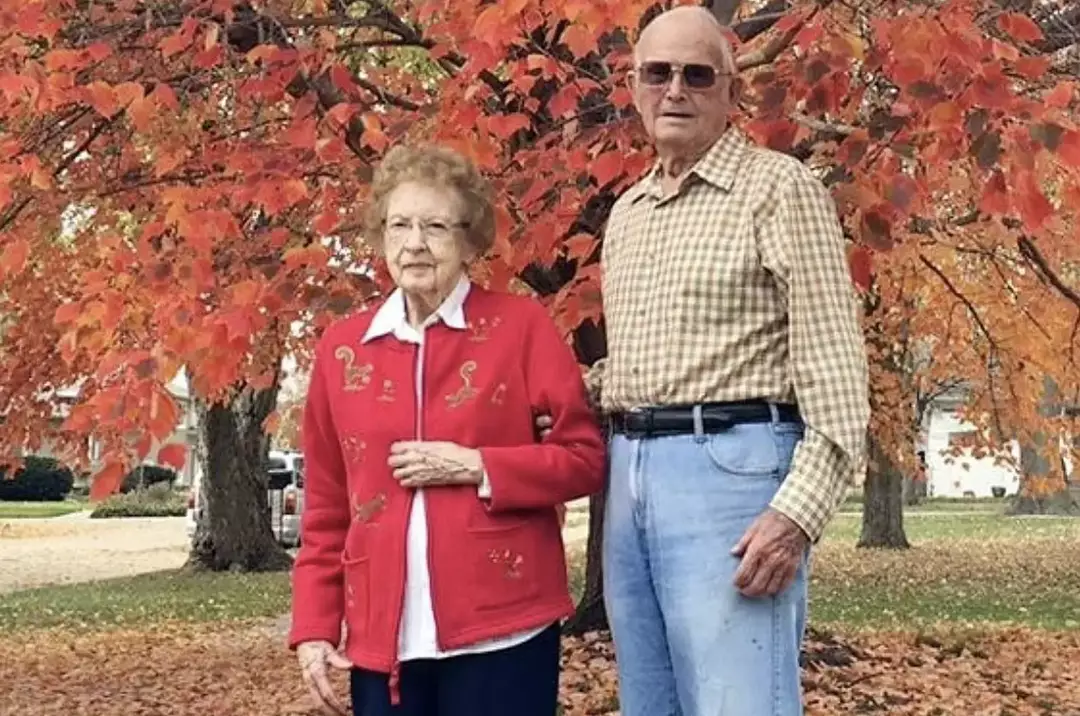
After returning home, Dale and his wife, Doris, became well known in their community for welcoming local kids and neighbors—offering snacks and a friendly place to gather and play sports.
That spirit of giving carried on to the very end. Live On Nebraska later approached Dale’s family about the possibility of a liver donation—one that would allow his impact to extend far beyond his lifetime.
KMTV reported that Dale suffered a head injury earlier this year and was placed on life support before he ultimately died.
Following his passing on February 26, his liver was recovered at Nebraska Medical Center and transplanted the next day.
The president and CEO of Live On Nebraska, Kyle Herber, said: “This is a story about a life of service that didn’t end at death. Mr. Steele lived a full century giving to others, and through donation, that generosity continues in a way that will impact lives for years to come.”
Dale’s son, Roger Steele, told KMTV he was surprised his father was selected as a donor at 100 years old. However, Dr. Lee Morrow of Live On Nebraska noted that age is not necessarily a limiting factor for liver transplantation, because the organ can regenerate cells throughout a person’s life.
“Your liver is about 3 years old, my liver is about 3 years old and that 100-year-old donor, his liver was about 3 years old,” Morrow explained to KMTV.
Roger also spoke with Nebraska Public Media after the transplant, sharing his thoughts on how his father maintained such a long and healthy life.
He said: “He had a strong body that was able to carry him through his 100th birthday. I think that came from hard work. People from his generation didn’t have a notion of exercise. When they went to bed at night, they were tired from having worked hard all day. That was their exercise.”