


A security specialist has outlined why scam calls may be hitting your phone more often lately, along with warning signs that can help you identify a fraudulent caller and protect your money.
Reports suggest these nuisance calls have increased in recent months, with older people frequently singled out because fraudsters assume they may be easier to pressure. Still, anyone can be targeted, regardless of age.
Clayton LiaBraaten, a Senior Executive Industry Expert at Truecaller, has shared why spam calls can suddenly spike. He says a mix of shifting technology and financial uncertainty is creating opportunities for criminals to prey on people who are worried about money.
LiaBraaten said: “Scammers are astute social engineers who know that in an uncertain economy, many people are hunting for financial relief to alleviate the burdens, and this is where desperation kicks in. Scammers understand their targets — they have all the psychological information they need.”
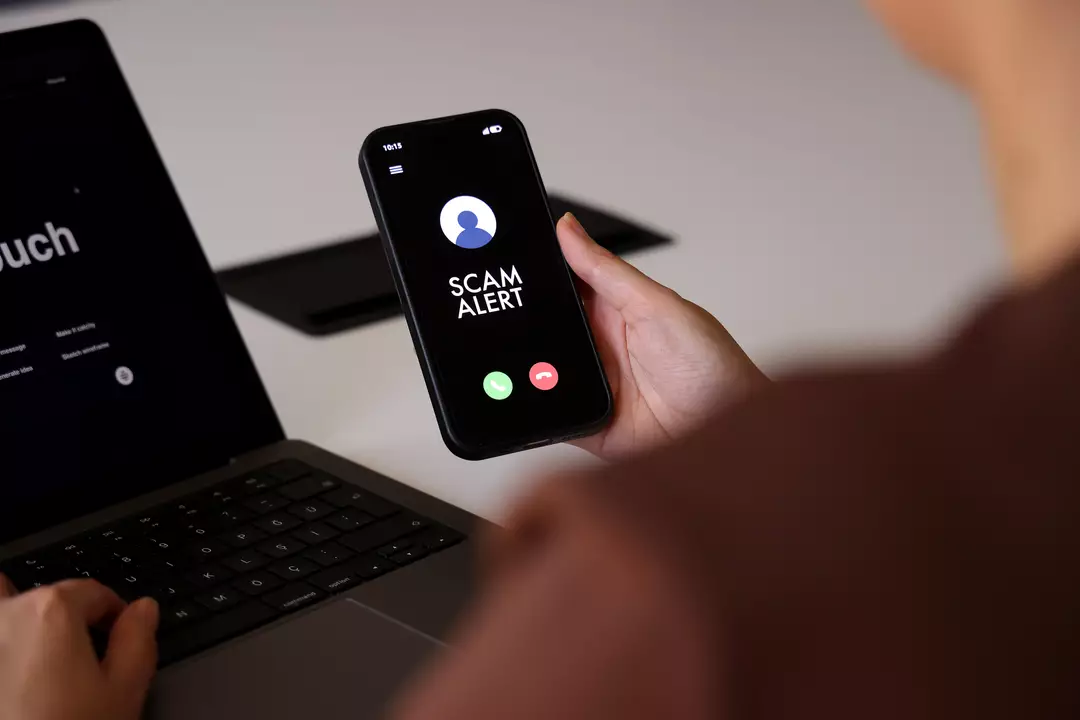
According to the FTC, scammers may sound credible by claiming they already have some of your personal details. In many cases, that’s a tactic designed to coax you into handing over even more sensitive information—like account logins, card numbers, or identifying data.
So what should you watch for when a suspicious call comes through?
The FTC says a common approach involves messages that try to push you into calling back, often by inventing an issue that needs immediate attention.
Well, the FTC explains: “When people don’t pick up, the callers leave messages saying the imaginary ‘loan application is on hold because the business needs more information, so please call back.
“The calls seem urgent — and they’re persistent. People report getting calls in bursts of anywhere from five to even 20 a day, all from different numbers, all with the same story. But there never was a loan application. It’s a tactic that some dishonest companies are using to offer loans.”

If you receive calls like this, it’s safest not to ring the number back. Returning the call can put you straight back in contact with the same operation and, in some scenarios, could expose you to additional charges depending on the number type.
LiaBraaten also shared advice on reducing your chances of being pulled in, arguing that the key is staying proactive instead of responding impulsively in the moment.
“It is important to recognize that scammers don’t want you to ask questions or triple-check a link. Every second you pause to think strips away their power. Scammers thrive on confusion and the fear of missing out. They are looking for a live number and a willing ear,” the expert continued.
“Simply engaging or pressing a key to opt out often just confirms to them that your line is active, leading to even more calls. The most powerful move you can make is to slow down, be skeptical and just hang up.”