


Scientists have created a new app they say could support men who experience premature ejaculation.
For many people, intimacy doesn’t always play out as smoothly as they’d like, whether because of personal pressures, relationship dynamics, or sexual health concerns.
One challenge that can affect couples is premature ejaculation, and the team behind a new digital programme says its approach is aimed at tackling the “underlying psychological causes,” rather than offering a quick fix.
Called the Melonga App, the tool is currently available across Ireland, Germany, Austria, Luxembourg, Liechtenstein and Belgium. Researchers say early feedback and study data suggest it may help some users improve ejaculatory control.
The app was evaluated through a German-based trial known as the CLIMACS study, which explored whether the educational content and therapeutic methods delivered via the app could help men last longer before ejaculation.
According to early CLIMACS findings, more than one in five men (22%) who used the app over a 12-week period no longer met the criteria for premature ejaculation.
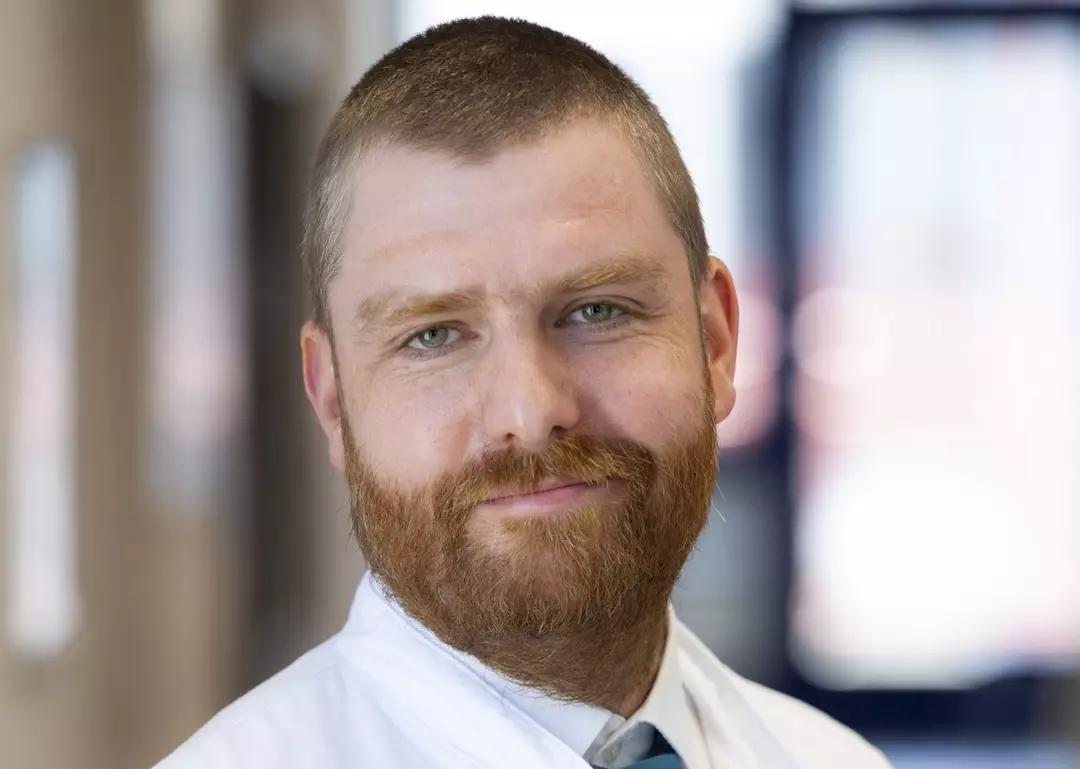
Lead researcher, Dr Christer Groeben of Marburg University, said, “Many men who live with premature ejaculation don’t seek help because of the shame associated with the condition.
“Our study shows that, as an at-home self-help tool, this can support men to improve control of their ejaculation and achieve a satisfying sex life without losing spontaneity.”
Premature ejaculation is thought to affect roughly three in 10 men, yet only around 9% reportedly seek medical support, with stigma often cited as a major barrier.
The Melonga App aims to help users manage arousal and build better control over the point of ejaculation through guided exercises and structured lessons.
Its techniques were developed with input from specialists in premature ejaculation, along with sexologists and urologists based in Germany, Finland, Belgium and the US.
The programme includes approaches such as mindfulness, arousal-awareness training and cognitive behavioural therapy, alongside practical physical exercises designed to improve climax control.
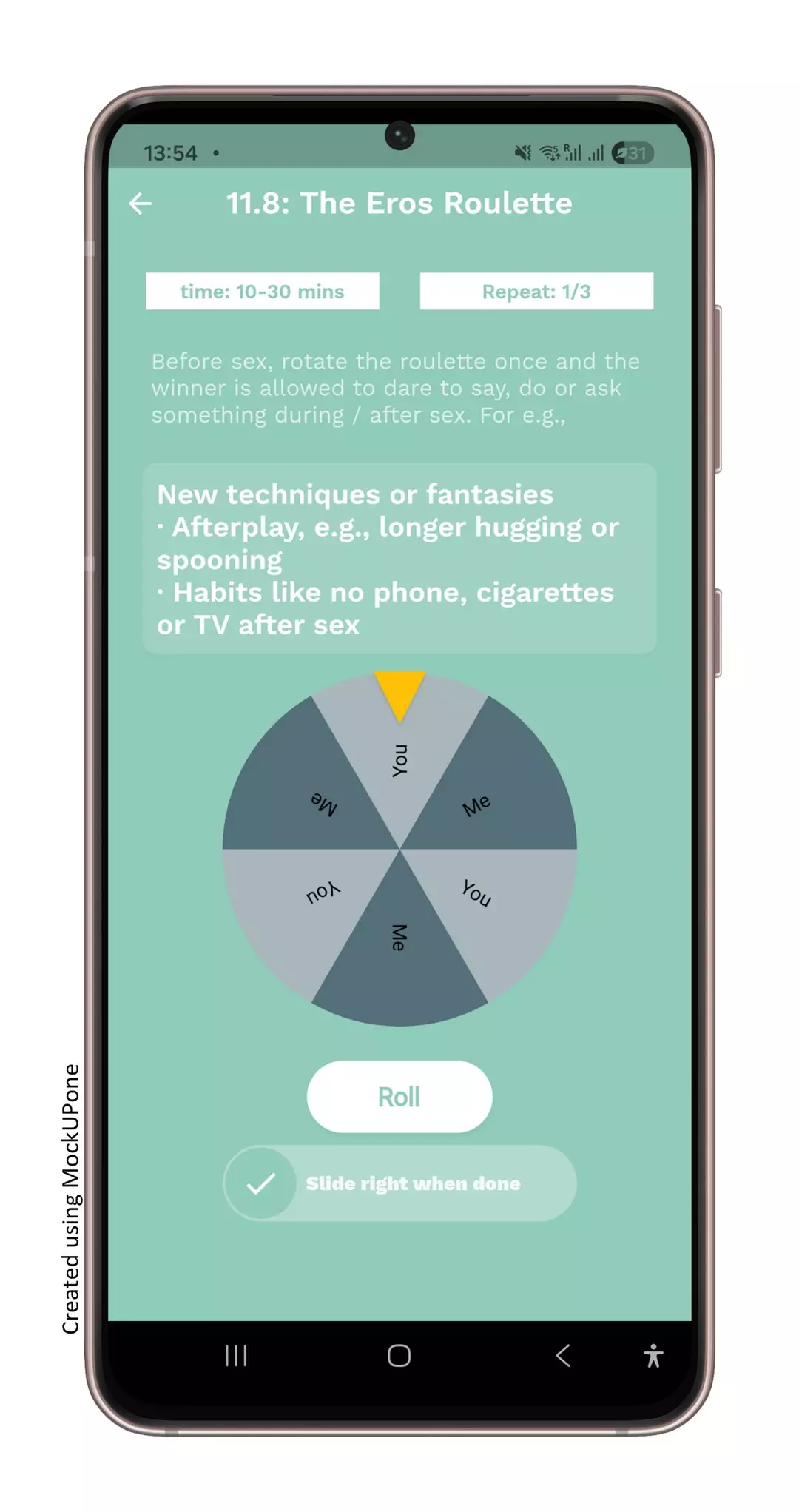
Dr Groeben also noted that he believes addressing the psychological issues connected with premature ejaculation can be more beneficial than simply treating the symptom.
He added: “The most commonly available pharmacy therapies are designed only to treat the symptoms, not the cause, meaning many men discontinue them after a while.
“These men can remain under-treated and live with a considerable psychological burden that really starts to affect the quality of their relationships.”
“Going to a doctor for help can feel like a big first step, and so an app like this can help to bridge that gap by normalizing the condition as treatable.”
The final results from the CLIMACS study are expected to be published later this year.