

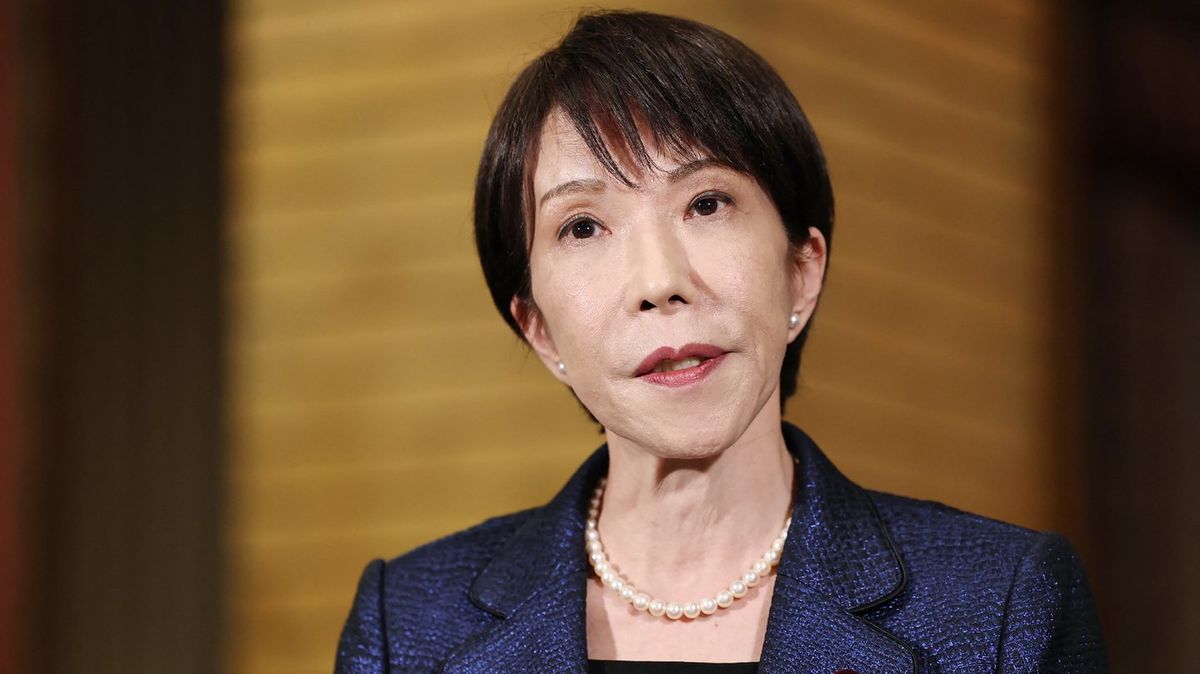
Japan’s Prime Minister Sanae Takaichi has triggered fresh worries about her wellbeing just days before she is expected to travel to the US for talks with Donald Trump.
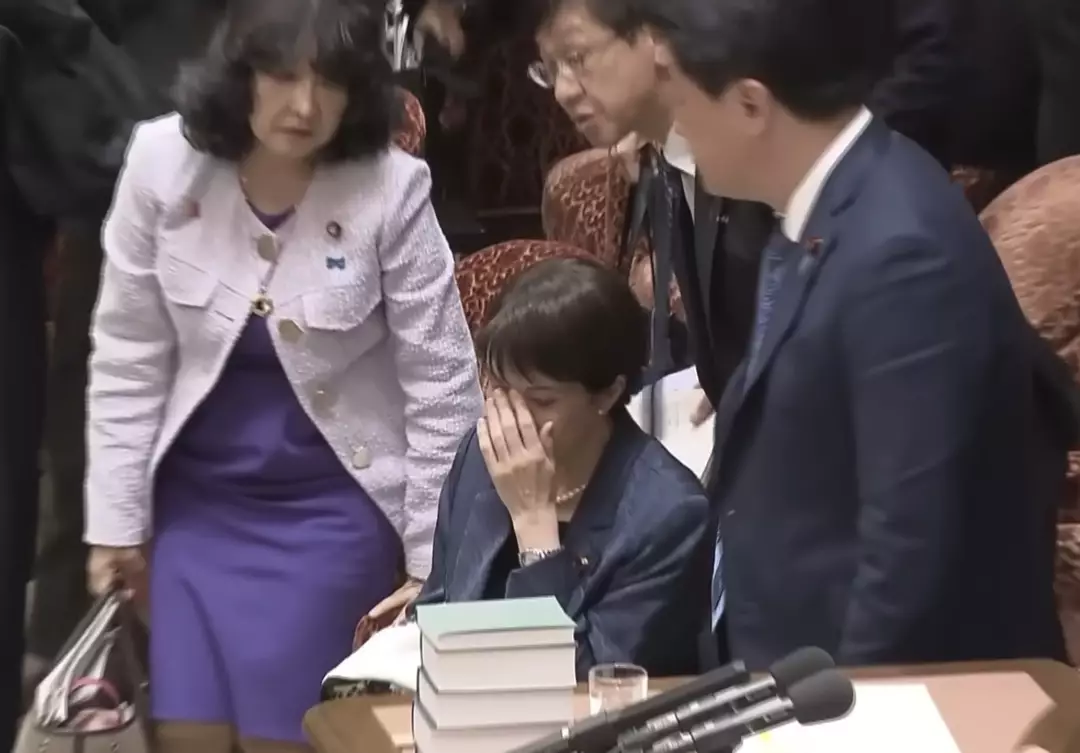
Public concern intensified on Thursday March 12 after footage from a budget committee session appeared to show Takaichi looking unwell and having difficulty remaining on her feet, prompting aides to move in and help steady her.
After questions spread online, her team later confirmed that she was feeling ill, adding that her condition had already forced her to postpone planned meetings with Middle Eastern leaders.
This is not the first time her health has become a topic of discussion, either. Many in Japan previously urged her to slow down after she revealed she typically sleeps only two to four hours per night, according to The Japan Times.
That admission led some legislators to encourage her to take proper breaks and adopt a more sustainable approach to work and rest.
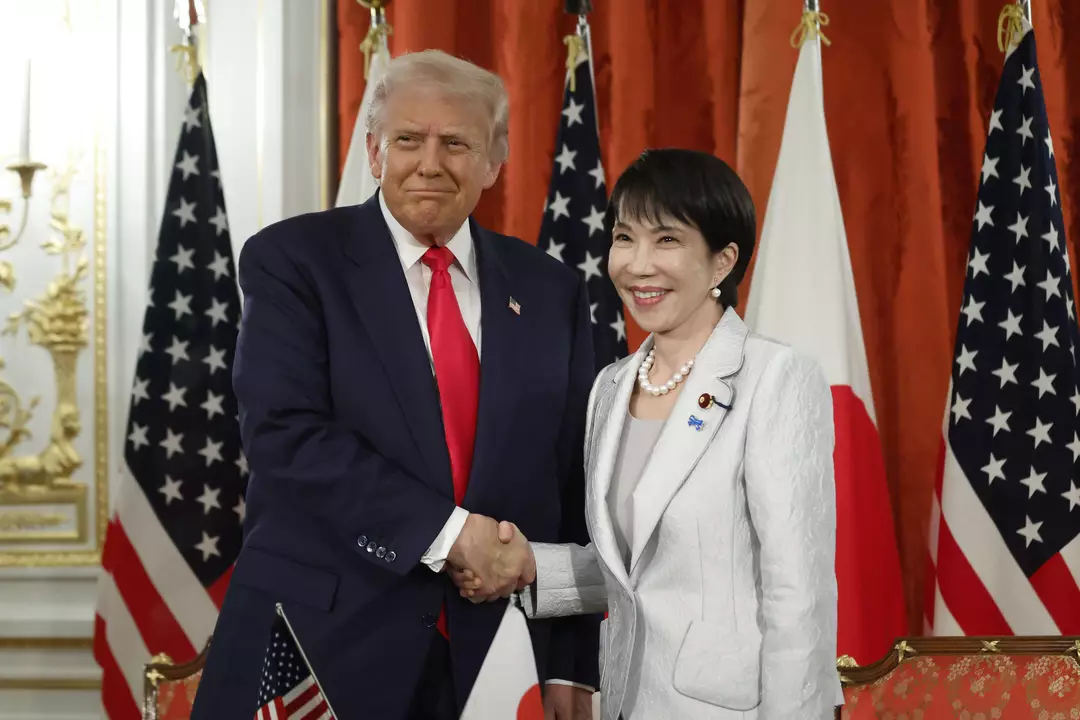
The timing of her illness is particularly awkward, as The Japan News reported she is due to meet Trump on March 19 in Washington D.C. During a leaders’ summit focused on Japan’s $550 billion investment in the United States, an arrangement agreed last Summer.
The deal, reached in mid 2025, involved Japan committing roughly half a trillion dollars to the US economy in a bid to avoid substantially higher tariffs on vehicles and electronics exported to America.
Although detailed spending plans have not been fully laid out, the US is understood to be targeting several major priorities: new nuclear power projects (using Westinghouse technology), expansion of natural gas infrastructure and crude oil export capacity, boosting production of advanced semiconductors and artificial intelligence (AI) systems, and strengthening mining and processing of key materials used in batteries and high-tech weaponry to lessen dependence on China.
In exchange, tariffs would be limited to 15%. Japan would also be entitled to 50% of the profits generated by the projects until it recoups its original outlay (plus interest). After repayment, the profit split would shift heavily to the US government, which would take 90%, with Japan receiving 10%—effectively creating a loan-like structure with an unusual profit-sharing element.
The arrangement is widely viewed as advantageous to both sides: the US can accelerate industrial rebuilding with overseas investment rather than domestic taxpayer funding, while Japan preserves access to the US market for key exports and reinforces its economic and security partnership with Washington amid regional competition.
Separately, Trump is also expected to push defence issues. The South China Morning Post has reported that Tokyo’s involvement in his ‘golden dome’ missile defence project could be announced during the meeting.