

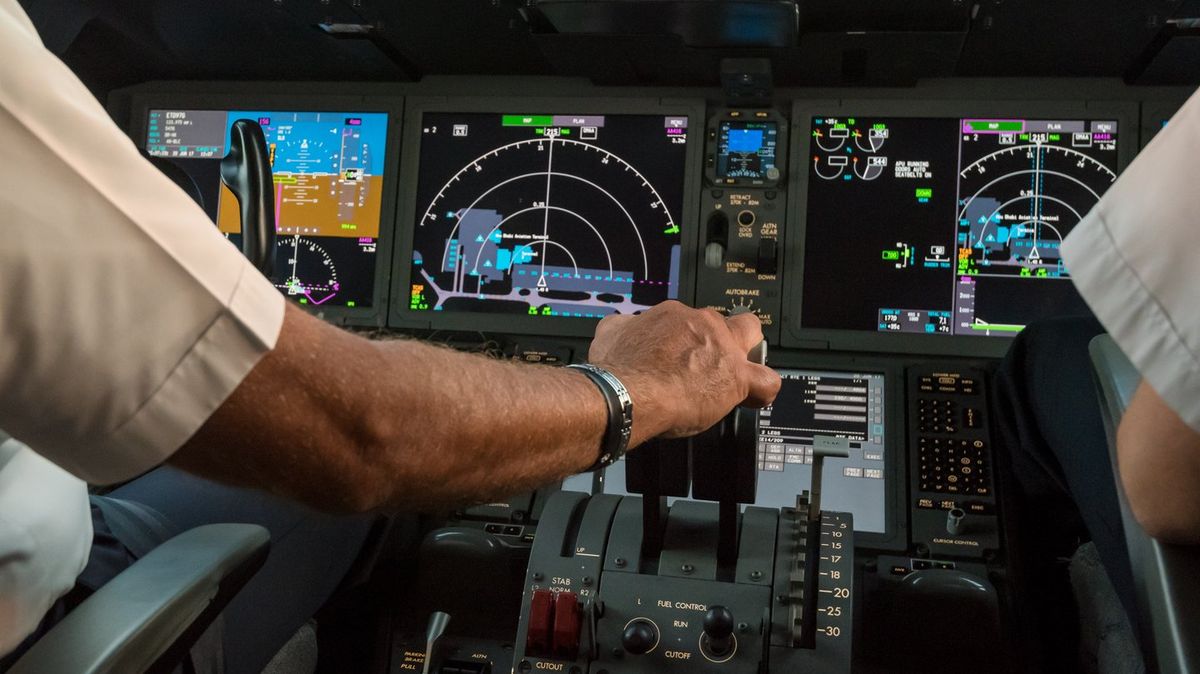
A former pilot has shared the surprising reason why you shouldn’t swap seats to an empty one when taking off.
If you spot a free row as the plane starts rolling, you might think about moving to stretch out. But Pete Hutchison, who previously flew for Virgin Atlantic, says shifting seats at that moment is a bad call.
For starters, getting up during take-off is likely to earn you a warning from cabin crew, because it’s unsafe while the aircraft is accelerating and climbing. Beyond that, there’s a less obvious issue many passengers don’t consider.
Changing seats—especially if several people do it—can alter how weight is distributed, which can affect the aircraft’s balance.
“To start moving seats, especially in significant numbers, to unplanned areas, could significantly impact the aircraft’s balance,” Pete explained.
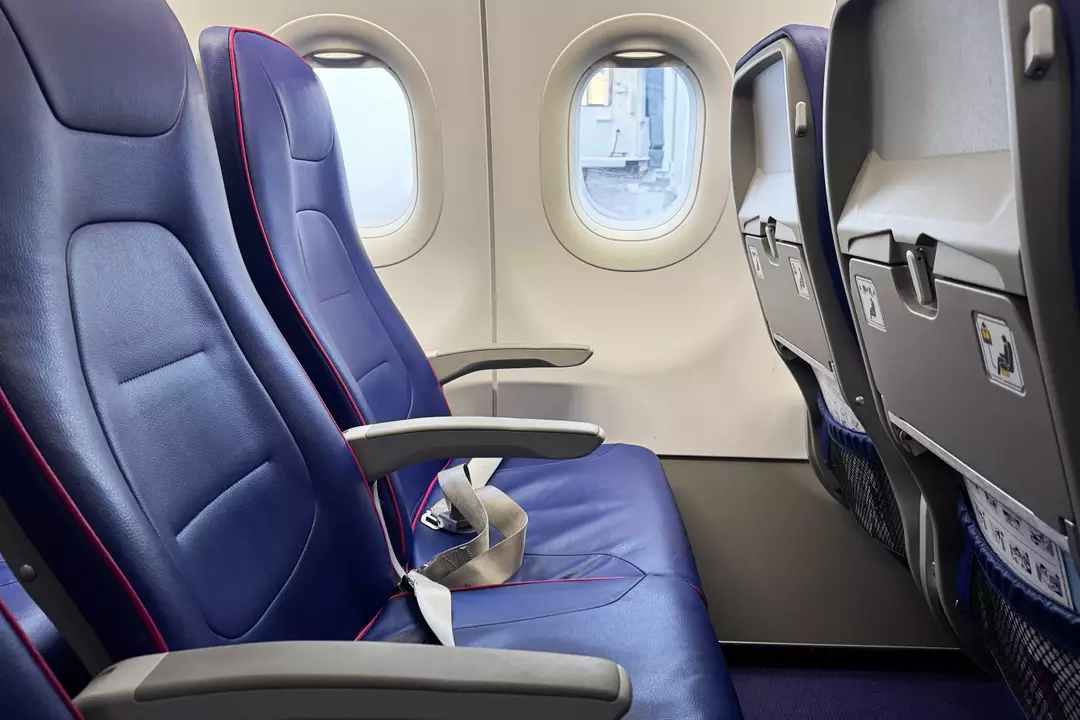
He said the outcome depends on where people cluster. Too much weight toward the nose can make it harder for the aircraft to lift off as expected, and in extreme situations could prevent a normal rotation.
“If everyone were to sit at the front of the aircraft, it could make getting off the deck harder compared to the norm, or even, in some cases, impossible,” Pete continued.
At the other end of the cabin, a large shift rearward can create different risks both during departure and arrival.
“Conversely, everyone sitting in the back end might cause the aircraft to tip on its tail on take-off or encounter a tail scrape on touchdown.”
Where passengers sit is factored into the crew’s performance and loading calculations, which is why airlines avoid having everyone gathered in one area or all on one side.
Pete compared the fuselage—the main body of the aircraft—to a “see-saw,” with passenger placement helping keep things properly level.
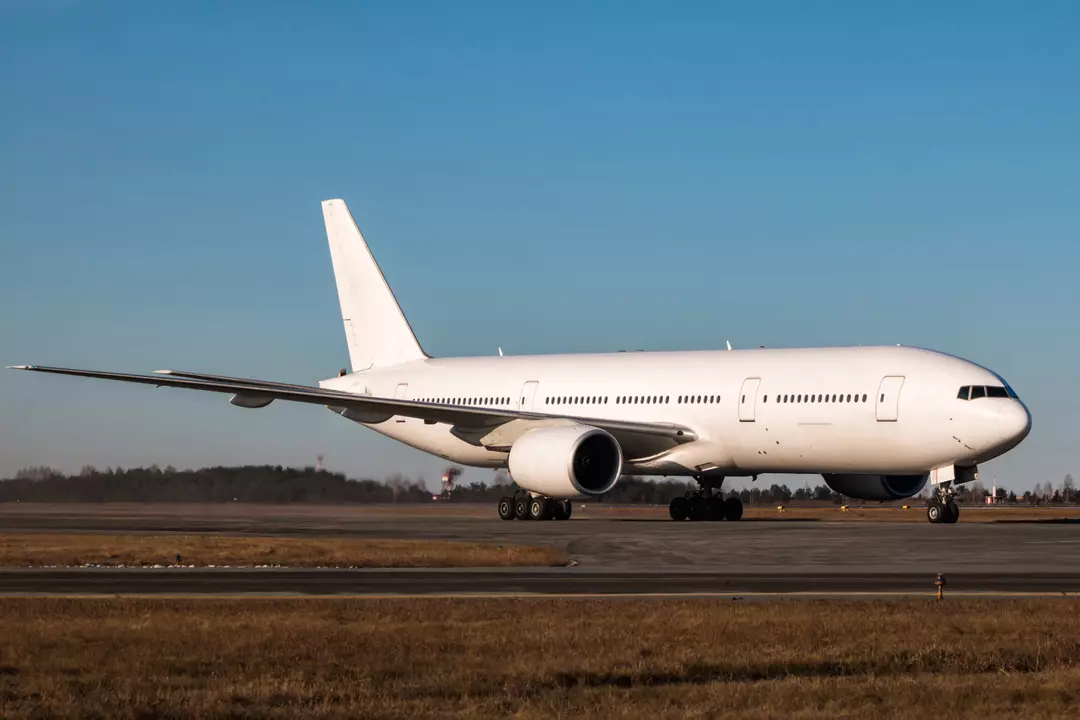
“Flying safely is about keeping the aircraft correctly balanced,” he shared. “That is, within the airplane’s operational center of gravity. And it is crucial that the center of gravity be within an envelope — or limits.”
He added that the industry refers to proper weight distribution as being “in trim,” and that each passenger’s location is one of the inputs used in those calculations.
He explained further: “Your specific position in the cabin is one of the variables in that aircraft trim calculation.
“During a flight, you can move around, including to a different seat [with permission], but you must be in your allocated seat for both the take-off and the landing.”
Seat switching is more likely to become a real concern on flights that aren’t close to full—particularly when the aircraft is under 80 percent capacity.
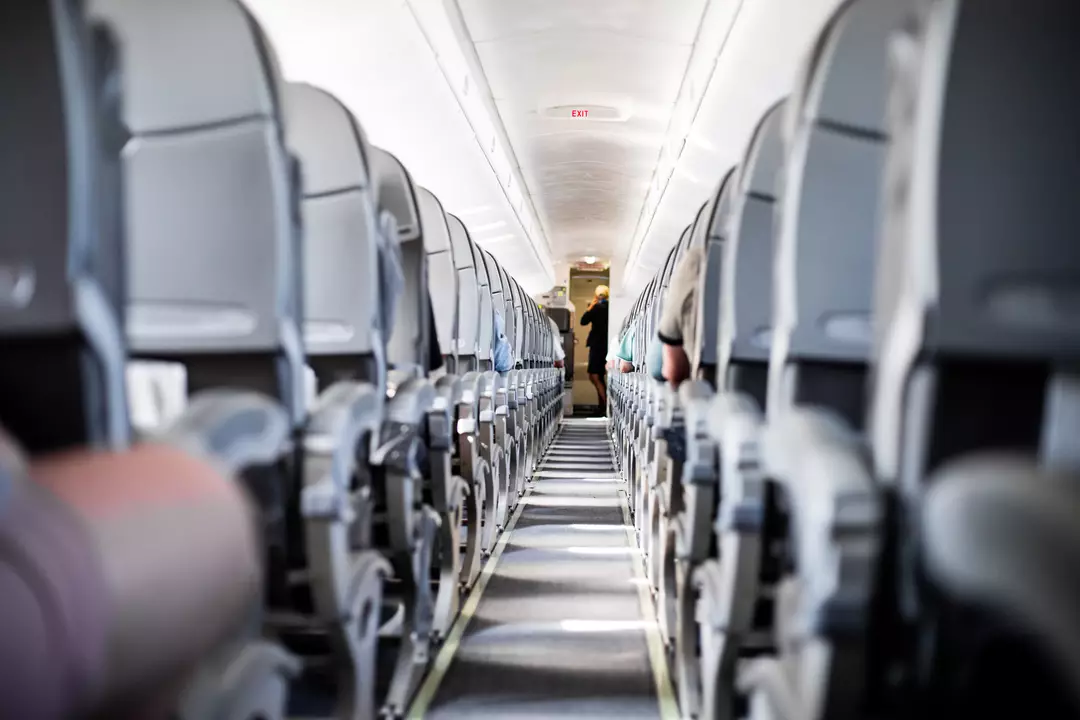
And while you’re on board, there’s another instruction that’s worth taking seriously: switching your devices to Airplane Mode when cabin crew ask.
Mandy Smith, also a former Virgin Atlantic cabin crew member, previously explained that it comes down to managing signals during critical phases of flight.
“Say a radio beacon would be there and you’re coming into land or taking off, [the beacon] would signify where the ground is and the ground level,” she said. “The aircraft is following that beacon.”
Mandy added: “Any other radio signals such as mobile phones, even Furbies – they used to ban Furbies back in the day – are not allowed because they could interfere with that signal.”
Duly noted!