

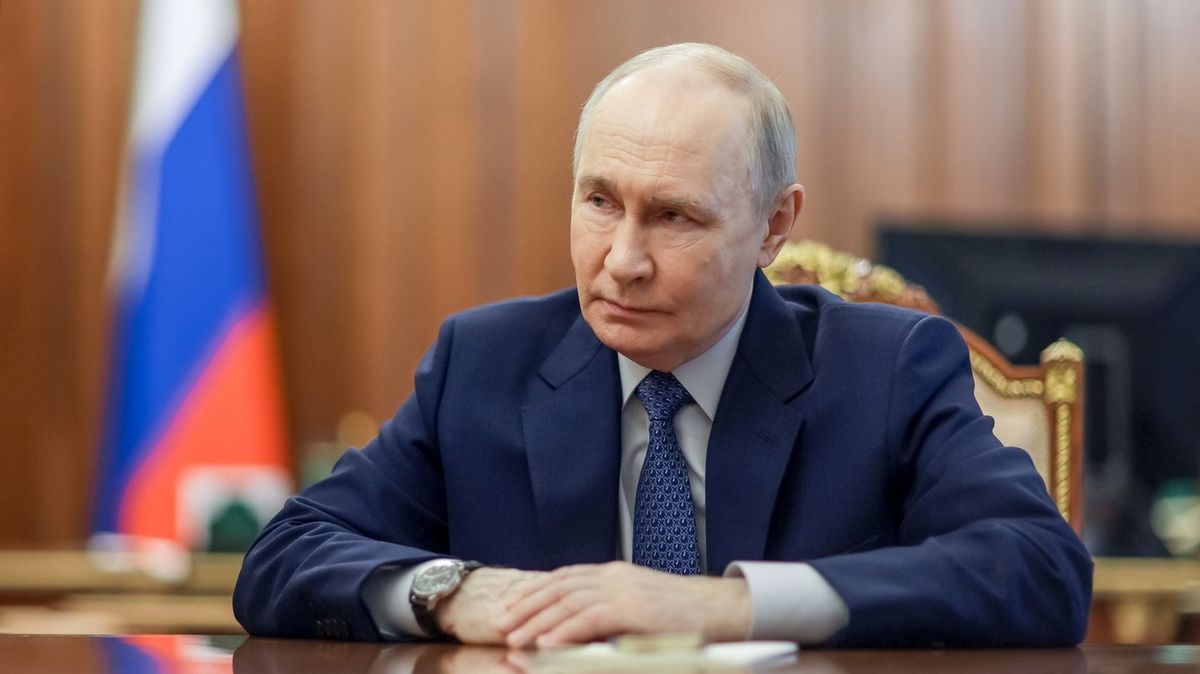
After the Kremlin briefly posted – then removed – video that appeared to show Russian President Vladimir Putin struggling to catch his breath and breaking into an unplanned coughing spell during a speech, many have been left wondering what would take place if his condition were to seriously deteriorate.
The 73-year-old was seen repeatedly trying to clear his throat in a pre-recorded International Women’s Day message, pausing several times as he coughed and then gesturing toward someone out of frame.
Per the Moscow Times, he said to the person: “You know, let me say that again, because … my throat’s a bit scratchy. Yes, a bit scratchy. I almost started coughing. I’ve been talking a lot today.”
Not long afterward, the original upload disappeared from the Kremlin’s social media channels and was replaced by a shorter edit that no longer included the coughing moment.
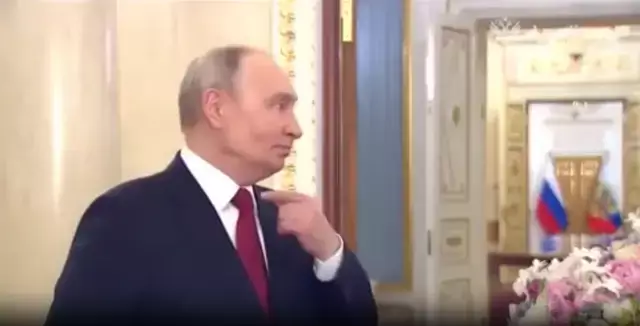
Speculation about Putin’s health has circulated for years, with various claims surfacing as his time in power has extended.
Among the recurring allegations are reports and rumors involving serious illnesses such as cancer, strokes, and Parkinson’s disease.
In 2014, academic Valery Solovey alleged that Putin had cancer and predicted he would die within six months.
Later, in 2023, Ukraine’s President Volodymyr Zelensky publicly suggested Putin might already be dead, and Solovey also repeated the claim.
Separate rumors have also alleged that a body double has been used to appear in public engagements.
If Putin were to die, Russia would face the task of selecting a successor in a way it effectively has not had to do for nearly three decades. Putin first rose to power in 1999, though he did step aside from the presidency between 2008 and 2012.
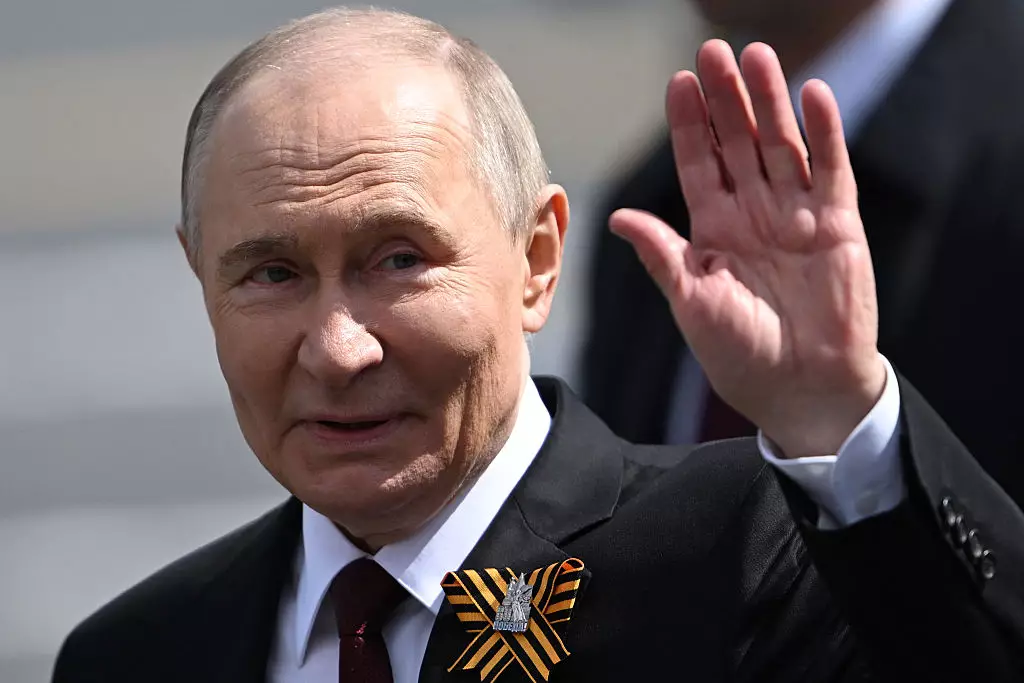
When Joseph Stalin died in 1953, the Soviet leadership moved into a behind-the-scenes struggle to determine who would take over, with the outcome decided among senior figures rather than through a public vote.
In a modern Russian context, a replacement would ultimately need to be installed through a formal political process, similar in broad outline to presidential succession mechanisms seen in other countries.
Jens Siegert’s book, Where is Russia Heading? Scenarios for the Time Afterwards, suggests one possible path after Putin could include Russia moving toward a more democratic model.
That scenario would likely require both the public and the state to confront — and potentially reject — the continuation of authoritarian and imperial structures, something that history suggests could be difficult to achieve.
If such a shift did occur, it could open the door to closer alignment with European norms and improved relations.
Still, the range of outcomes remains wide. And since outside observers have limited clarity on how succession would unfold beyond the notion of an acting president serving until a long-term replacement is in place, predictions about what comes next remain largely speculative.