

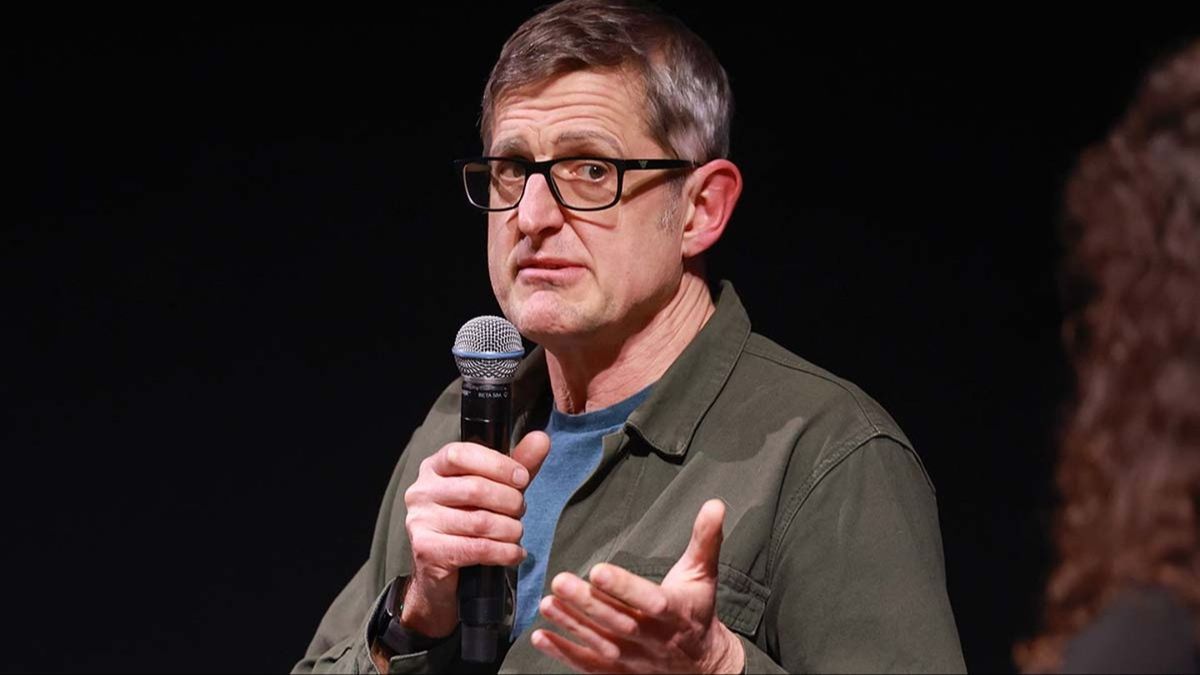
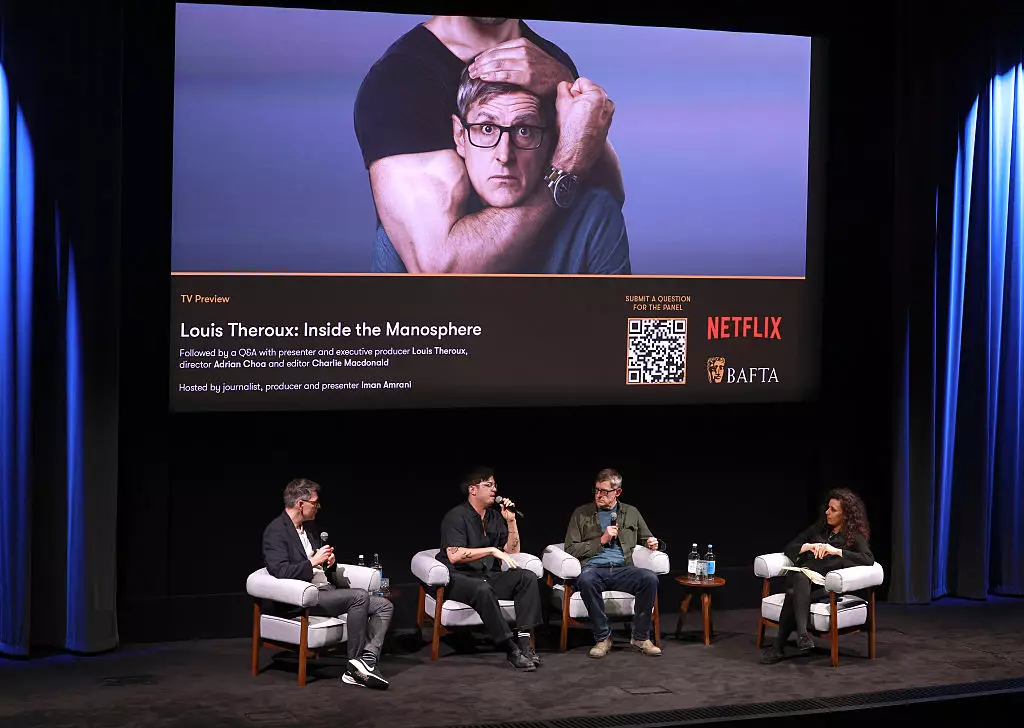
Louis Theroux has turned his attention to the online “manosphere” in a Netflix documentary, but academics say the film leaves key context underexplored, as Fresh & Fit host Myron Gaines criticised both the platform and the presenter.
Gaines, whose real name is Amrou Fudl, accused the documentary of portraying him as ‘crazy’. The programme examines male social media personalities who have been widely condemned for anti-women commentary and rhetoric critics describe as harmful.
Across the scene shown in the film, influencers flaunt luxury cars, expensive homes and unconventional relationship arrangements, including boasting about having “one-sided monogamy” with their partners. That mix of bravado and provocation has fuelled backlash online, both before and after the documentary’s release.
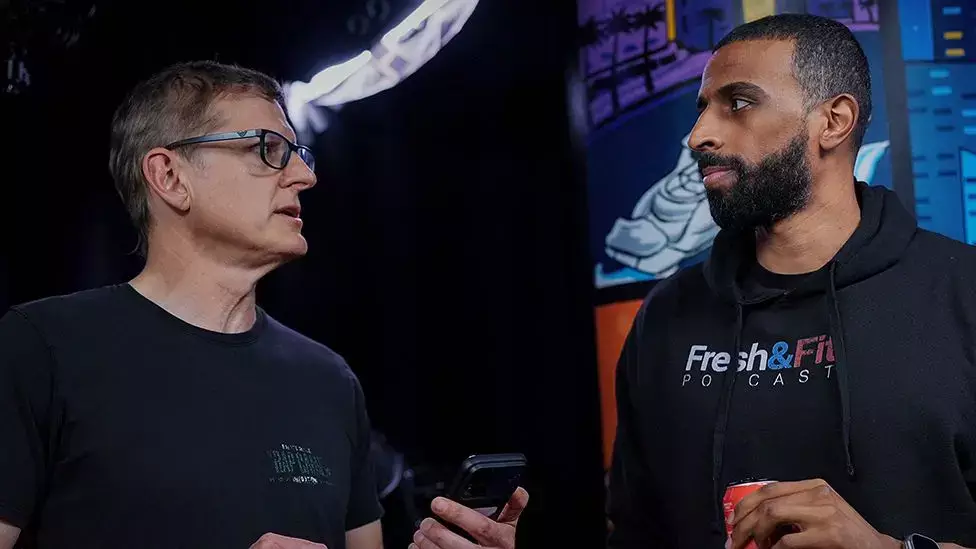
Gaines is among the best-known figures featured. He co-hosts the Fresh & Fit podcast, a show that frequently debates status, masculinity, dating, women, and shifting social expectations.
But while the film attempts to map the rise of red-pill ideology (a reference to The Matrix) and the broader manosphere, some experts argue it doesn’t fully capture why this content draws people in.
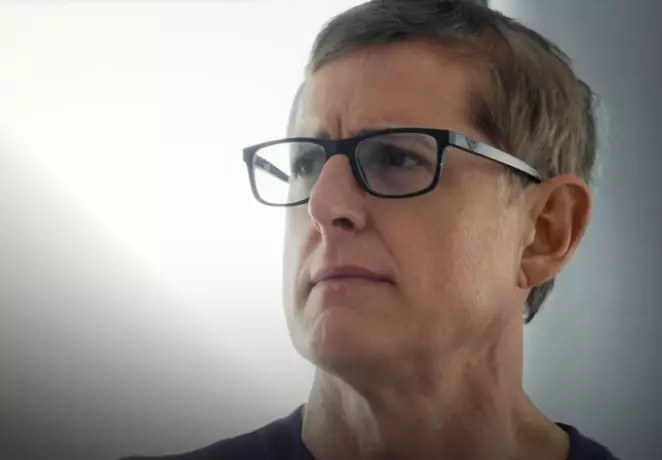
Dr Sophie King-Hill and Emma Pountney of the University of Birmingham believe it does fall short in that respect.
In their detailed analysis for the university, they wrote: “Understanding the appeal of the manosphere requires looking beyond its most controversial voices. The wider ecosystem online works to offer encouragement and perceived belonging amidst cultural change.”
They argue that for some young boys and men—particularly those who feel isolated or uncertain about identity and belonging—social media can become a space where simplified answers and neat role models feel especially attractive.
In that context, the academics suggest controversial online personalities may be read not just as entertainers, but as sources of confidence, stability and even mentorship for audiences who feel they lack those things elsewhere.
The discussion comes as other titles have highlighted adjacent online subcultures, including the way incel content can overlap with manosphere messaging. The academics, however, focus specifically on what makes high-profile figures appealing to followers, including names such as Andrew Tate and Gaines.
They wrote: “The pressure to perform masculinity in a world where traditional norms are shifting is a struggle seemingly faced by the loyal followers of these male influencers.
The uncompromising tone and certainty offered by this content can be persuasive for young men who feel uncertain about their place in a rapidly changing social environment.”
King-Hill and Pountney also caution that centring influencers’ money, careers and displays of wealth without fully addressing the underlying emotional and social drivers can skew the overall takeaway. They argue ‘this risks creating a worrying impression that young men are deliberately seeking out extreme content and are inspired primarily by discriminatory messages and promises of financial success.’
In their view, audiences are not always drawn in by overt misogyny at the outset. They said: “Often, young men are enticed by this content through humorous and supportive videos which do not display overt misogyny, instead encouraging self-mastery and clear-cut identity guidance, which resonates with many young men today. These influencers construct a sense of community and belonging through motivational messages and the endorsement of rigid masculine ideals, which they describe as declining in modern society and needing to be reinstated.”
Over time, they argue, the parasocial bond that can form with these “mentor” figures may make some viewers more open to increasingly extreme positions.
Those ideas can include narratives that frame men as being harmed or “victimised” by women through rejection, feminism, or dating standards.
“Despite their claims, research shows their rhetoric and narratives are inherently misogynistic, fostering resentment and frustration towards women through the idea of male victimhood,” they wrote.
Without acknowledging these deeper dynamics, the academics warn ‘there is a risk of an overly blame-focused approach towards young men and boys who find themselves in a cycle of algorithmic recommendations for this content.’
Addressing his own portrayal, Gaines rejected the suggestion that he dislikes women, despite repeated criticism of how female guests are spoken to on his show.
In the documentary, he casts himself as someone with special insight, telling Theroux: “I love women, and I actually understand them. So, since I understand them, I know what’s best for them.”
In response, King-Hill and Pountney argue that while the documentary documents hyper-masculine ideals tied to wealth and “success,” it doesn’t sufficiently interrogate how those ideals connect to women’s subordination. They say the role of “the reinstatement of traditional gender hierarchies built on assumptions of women being “lesser-than” is an idea not fully explored, despite the clear harm this is causing to those in society today”.
They ultimately stress that broader conversations about boys, men, and online culture should avoid collapsing everything into one category.
They wrote: “Whilst the findings of the documentary are incredibly concerning, it is crucial that we do not treat Louis Theroux: Inside The Manosphere as a uniform picture of all men and boys. The behaviours and ideologies showcased here represent a small but highly visible subset of online actors.
“Most young men and boys do not hold these views, and many actively reject them. A growing number of boys feel caught between conflicting social expectations, and it is precisely this sense of uncertainty and vulnerability that makes them susceptible to these influencers in the first place.”