

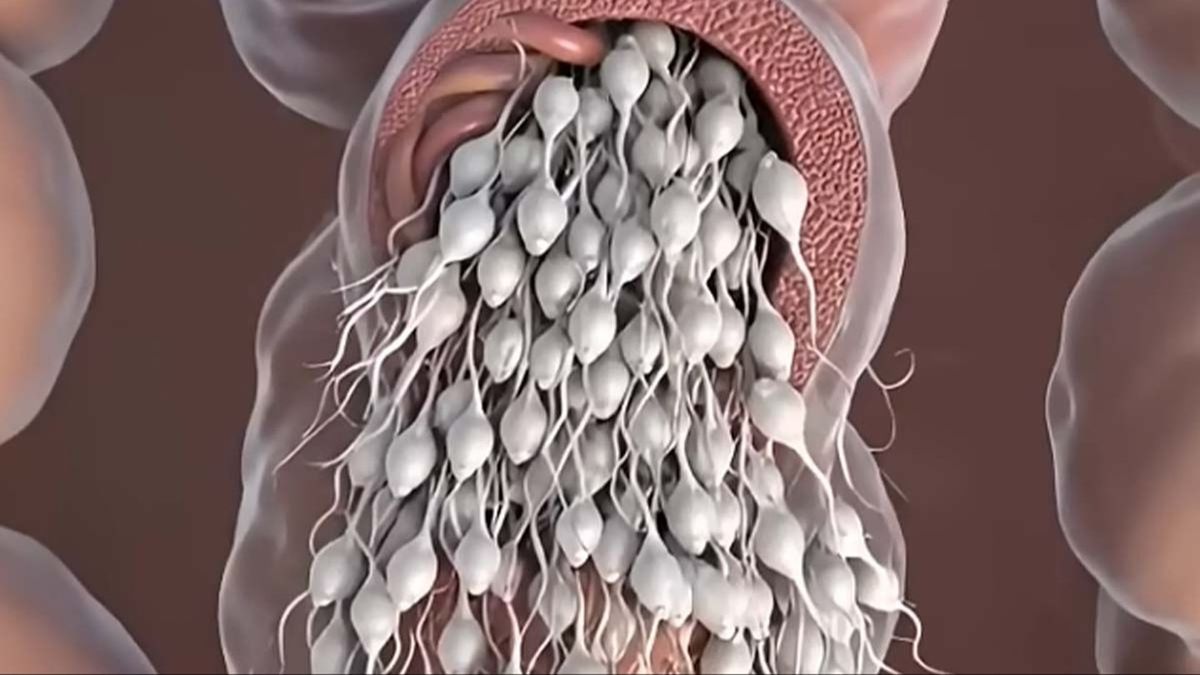
What happens to sperm cells that are not expelled from the body? Your guess is as good as mine, but science has the answer.
It may surprise some people, but many don’t really understand what’s happening inside the male reproductive system.
While women often get regular physical reminders tied to reproductive health, men typically enter puberty and then continue on for decades without the same recurring signals.
That can make it easy to assume not much is going on day to day—yet a lot of internal activity is constantly taking place.
Sperm production usually begins around ages 10 to 12, and for most men, the body keeps making sperm continuously rather than stopping.
But if sperm isn’t released, it doesn’t simply “sit there” indefinitely. Instead, the body has a built-in process for dealing with it.
A simulation has illustrated the mechanism, with Dr. Smurf on YouTube discussing the role of the epididymis—a coiled tube that runs along the testes.
Sperm is produced in the testicles and then travels into the epididymis, where it remains stored until ejaculation.
Like many cells in the body, sperm doesn’t last forever. It has a lifespan of only a few months—often cited at roughly 74 to 76 days—before it reaches the end of its viability.
Rather than “spoiling,” the simulation shows sperm undergoing a process described as ‘degeneration’.
During this breakdown, sperm cells are dismantled and reabsorbed within the epididymis, and the reclaimed components—such as proteins—can be reused to support the creation of new sperm.
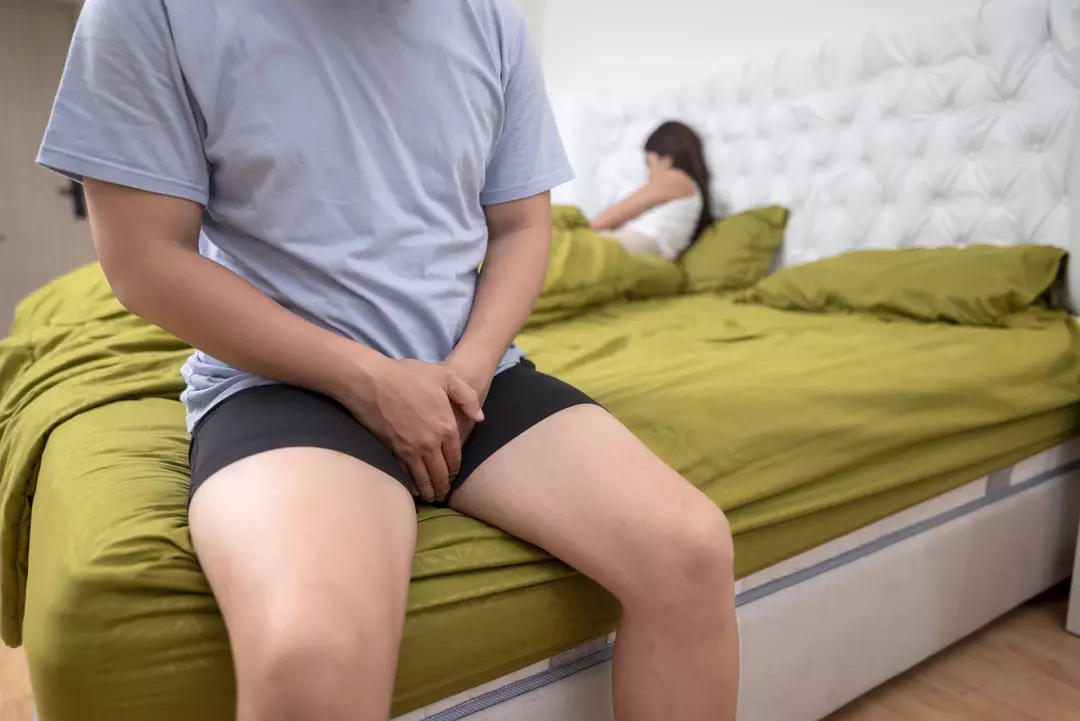
Even so, deliberately holding back ejaculation can come with uncomfortable effects for some people.
The Cleveland Clinic notes that there are multiple reasons someone may be unable to release sperm.
In some cases, discomfort can come from epididymal hypertension—often referred to as ‘blue balls’. In other situations, issues with ejaculation can be linked to medical conditions such as hypogonadism (low sex hormones), hypothyroidism (thyroid production problems), or hyperprolactinemia (elevated prolactin levels in the blood).
Some individuals experience anejaculation, meaning they’re unable to ejaculate despite being able to orgasm and produce sperm.
Whether it stems from a pelvic injury or another underlying cause, untreated anejaculation can potentially contribute to infertility.
There may also be mental health considerations. Medical News Today has reported that some people who don’t ejaculate for long stretches describe issues such as anxiety and depression.
At the same time, a 2021 study suggested frequent loss of sperm via intercourse and masturbation ‘is causally linked to anxiety, weakness, and insomnia’.
Overall, the research and reporting aren’t entirely consistent—so the scientific picture remains somewhat mixed depending on the factors being examined.