

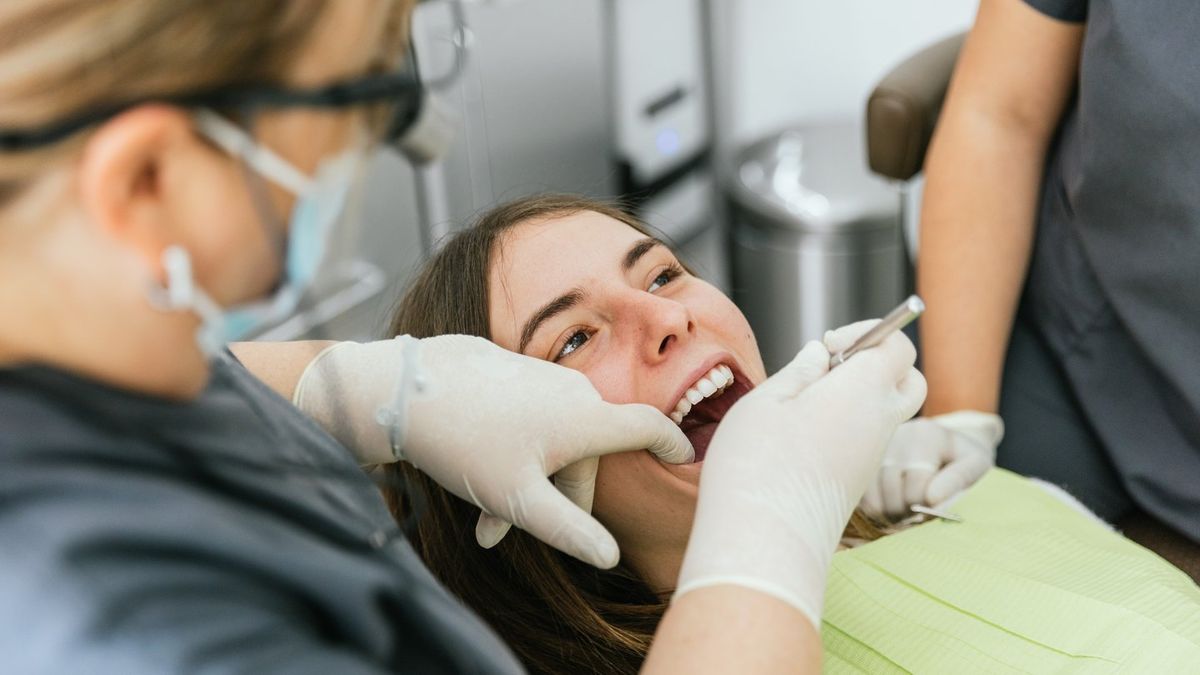
A dentist has shared guidance on four possible causes of “gym mouth” — a casual term used to describe the ways workouts can impact oral health.
Dr Deepa Chopra, a dentist at Whites Dental, says that while exercise is vital for overall wellbeing, some common gym habits can unintentionally affect your teeth and gums.
Problems can range from dry mouth and unpleasant breath to longer-term issues that may raise the risk of tooth wear or decay.
Explaining the context, Dr Chopra said: “The term ‘gym mouth’ is not a clinical diagnosis.
“However, being aware of how exercise habits may affect oral health could help people protect their teeth while pursuing their fitness goals.”
Here are four things she says to keep an eye on.
1) Mouth breathing during intense exercise
As your effort level increases, your body demands more oxygen. For many people, nasal breathing stops being enough during hard sessions, which leads to more breathing through the mouth.
Dr Chopra explained the impact this could have, saying: “One of the most common factors during intense exercise is mouth breathing.
“Breathing through the mouth for prolonged periods may reduce saliva flow. Saliva plays an important role in washing away bacteria and neutralising acids, so reduced levels could increase the risk of dry mouth and bad breath.”
2) Sugary or acidic sports drinks
Many sports and energy drinks contain a lot of sugar and/or acid. Even though they’re marketed around performance and fitness, frequent sipping can still be tough on enamel.
Dr Chopra said: “Frequent exposure to acidic or sugary drinks could increase the risk of enamel softening or decay over time.”
One simple swap is choosing water more often, especially for routine workouts.
“Choosing water where possible may help support saliva production,” said Dr Chopra.

3) Clenching your teeth while training
Depending on what kind of workout you’re doing, you might tense up more than you realise. Heavy lifting often involves bracing, and intense cardio or pushing through fatigue can also lead to jaw clenching.
Dr Chopra said: “Repeated clenching may place pressure on teeth and jaw muscles.
“Over time this could contribute to enamel wear or jaw discomfort.”
4) Sweet post-workout snacks left on the teeth
Refuelling after training can feel well-earned, but some “fitness” snacks still contain plenty of sugar. If residue sits on the tooth surface, bacteria can use it as fuel.
“These foods may provide fuel for bacteria if they remain on the tooth surface,” Dr Chopra advised.
Enjoy the snack if it fits your routine — but follow up with good oral hygiene, such as brushing your teeth afterwards.