

Costco officials have announced an urgent recall of one of its popular refrigerated meal kits amid concerns it could be contaminated with Salmonella.
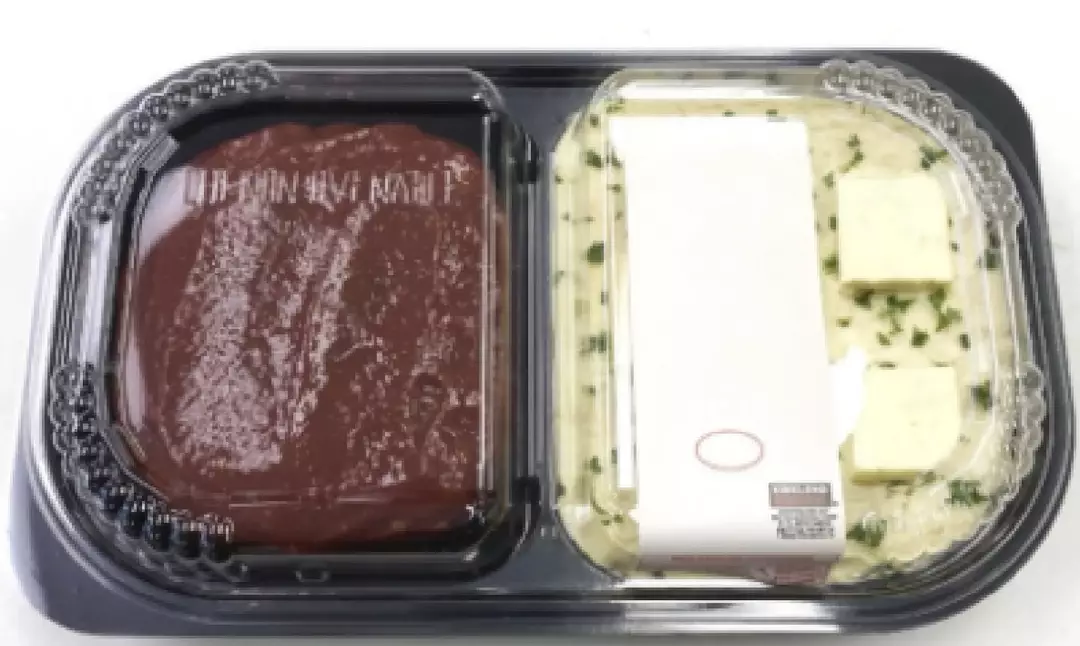
In an update released on Monday, March 16, the retailer said it is immediately pulling its Meatloaf with Mashed Yukon Potatoes and Glaze from sale. The impacted products were the batches sold to customers between March 2 and March 13.
The action follows a recall tied to a component used in the meal kit. Costco said the supplier of an ingredient, Griffith Foods Inc., issued its own recall, prompting Costco to take the same step for affected sell-by dates.
“Costco is recalling Select Sell By dates of Item #30783 Meatloaf with Mashed Yukon Potatoes and Glaze because an ingredient supplier, Griffith Foods Inc., has announced the recall of an ingredient used in the Meatloaf because the ingredient has the potential to be contaminated with Salmonella,” it explained in the statement.
The products were sold at Costco warehouses across Alabama, Arizona, California, Colorado, Delaware, District of Columbia, Florida, Georgia, Hawaii, Illinois, Indiana, Iowa, Kentucky, Maryland, Michigan, Mississippi, Missouri, Nevada, New Mexico, North Carolina, Ohio, Pennsylvania, Puerto Rico, South Carolina, Tennessee, Utah, Virginia, and Wisconsin.
Costco also urged customers not to eat any portion of the meal kit because of the possible health risk.
Instead, shoppers were told they can bring the item back to any store to receive a full refund.
At the time of the announcement, there were no confirmed reports of illnesses or injuries. Even so, Salmonella can be especially hazardous for older adults, young children, and people with weakened immune systems—groups that may be more likely to depend on ready-to-eat meals.
Salmonella is a commonly known bacteria linked to food poisoning, and it usually spreads through food or water that has been contaminated.
For otherwise healthy people, symptoms are often unpleasant but typically resolve on their own. Common issues include diarrhea, fever, and stomach cramps that can develop between 8 and 72 hours after exposure.
For those at higher risk—such as young children, older adults, pregnant women, and individuals with compromised immune systems—the infection can become more serious and may require hospital care for monitoring and supportive treatment.

Guidance from the Mayo Clinic notes that many cases can be handled at home and adds: “Most adults with mild to moderate dehydration from diarrhea, vomiting or fever can improve their condition by drinking more water or other liquids. Diarrhea may be worsened by full-strength fruit juice and soft drinks.”
The clinic also offers different advice for children, stating: “For infants and children who have become dehydrated from diarrhea, vomiting or fever, use oral rehydration solutions that you can buy without a prescription.
“These solutions contain water and salts in specific proportions to replenish both fluids and electrolytes.”
However, if symptoms intensify—such as developing bloody diarrhea, a high fever (over 102°F or 39°C), or signs of dehydration (including dizziness or low urine output)—seek medical help right away.