

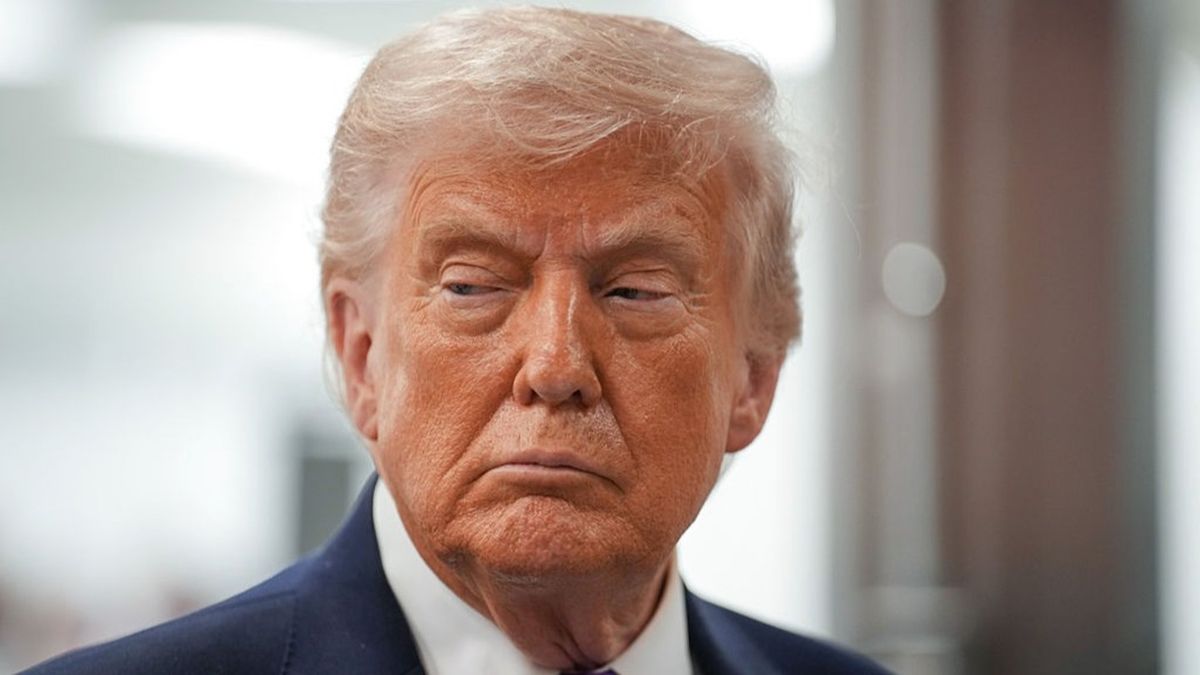
President Trump began his week by reaching out to a range of US partners — from long-standing allies to more complicated relationships — to request assistance escorting oil tankers through the Strait of Hormuz.
From France to South Korea, the responses were reportedly negative. That set the stage for a series of heated comments from the president on Monday, including sharp criticism of Prime Minister Sir Keir Starmer and the UK’s “special relationship” with the US — a partnership Trump said used to be “the Rolls-Royce of allies.”
During remarks filmed at the White House, Trump described what he said was a private call with Starmer, mocking the UK leader for not immediately committing mine-sweeping ships and for saying he needed to consult advisers first.
The president framed that approach as unacceptable, telling reporters: “I said: ‘You don’t need to meet with the team. You’re the Prime Minister, you can make [up] your own [mind].’”
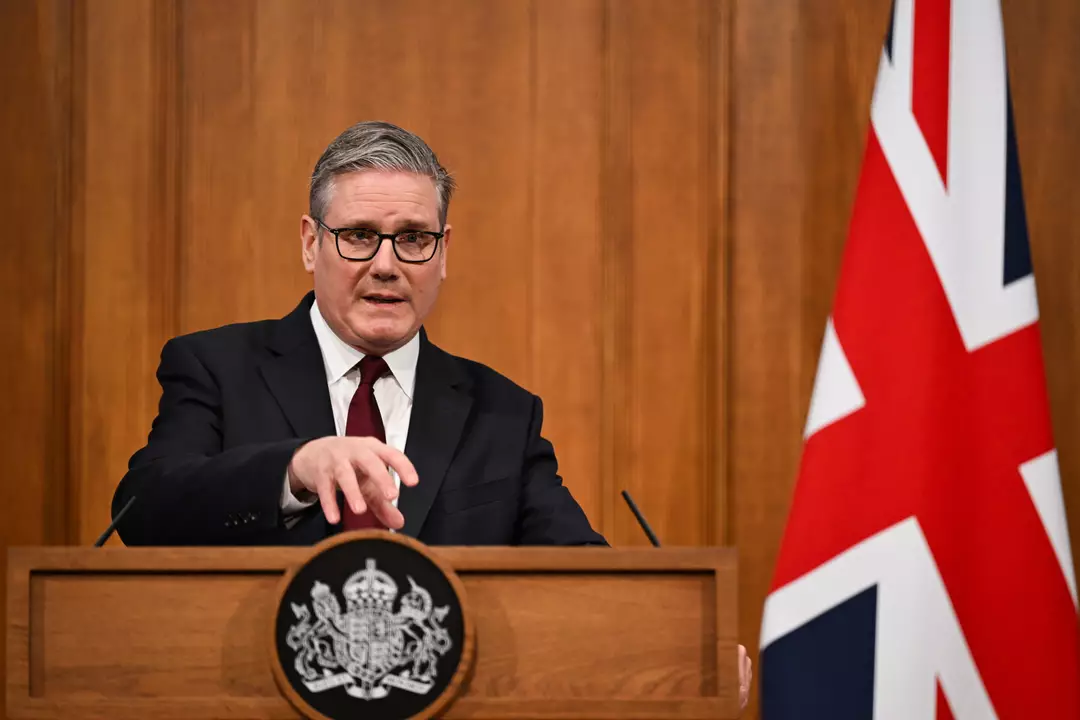
Trump went on to say he was disappointed by London’s stance. Referencing earlier disputes with European governments, he said: “I was very surprised with the United Kingdom. Two weeks ago, I said: ‘Why don’t you send some ships over?’ And he [Starmer] really didn’t want to do it.”
He added: “You’re our oldest ally, and we spend a lot of money on, you know, Nato and all of these things to protect you. I mean, we’re protecting them…
“I think it’s terrible… I was not happy with the UK. I think they’ll be involved, maybe, but they should be involved enthusiastically.”
Despite the criticism from the largest contributor to NATO, Starmer defended his position in a televised statement to the British public: “While taking the necessary action to defend ourselves and our allies, we will not be drawn into the wider war. “
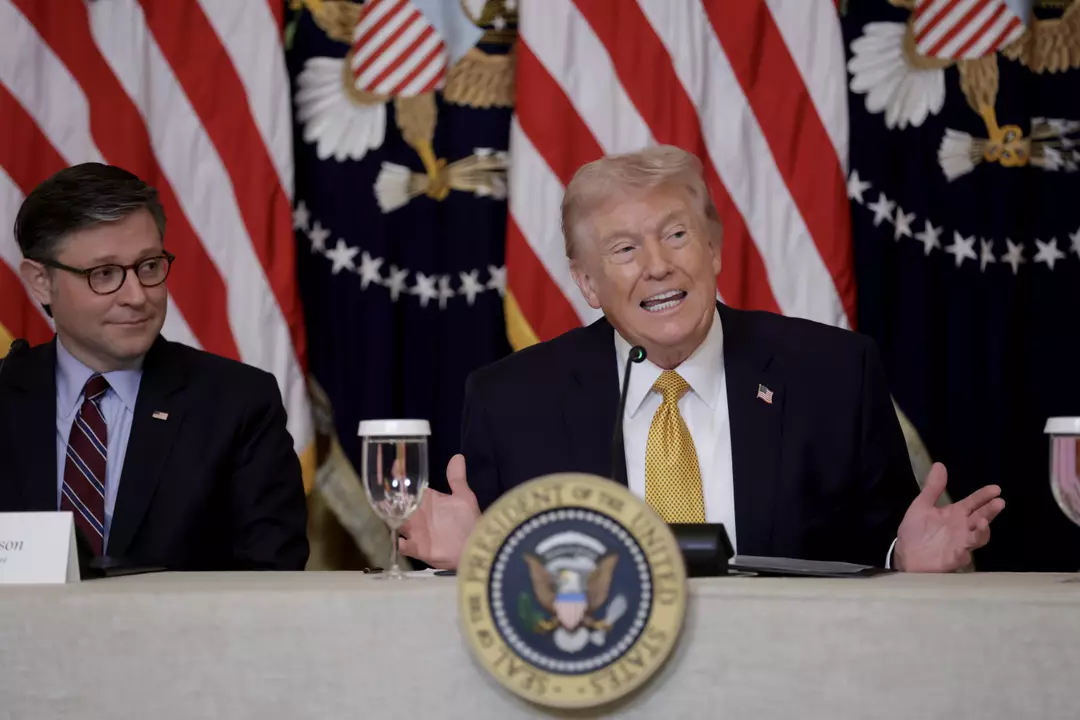
He continued: “We will keep working towards a swift resolution that brings security and stability back to the region and stop the Iranian threat to its neighbours.
“I want to see an end to this war as quickly as possible, because the longer it goes on, the more dangerous the situation becomes, and the worse it is for the cost of living back here at home.”
The UK was not the only ally to publicly push back on the idea of wider involvement. German Chancellor Friedrich Merz said the conflict with Iran is “not a matter for NATO,” following Trump’s claim that the alliance has never supported the US when it needed help.
NATO’s collective defence clause has, in fact, been invoked only once — after the 9/11 attacks — when US allies responded to Washington’s call.
Speaking during a day of press events in Europe, Merz also argued that Washington had moved without coordination. America ‘did not consult us prior to this war’. “There was never a joint decision on whether to intervene. That is why the question of how Germany might contribute militarily does not arise. We will not do so,”