


A worrying outbreak of meningitis in the UK, that has already killed two students, is now being treated as a ‘national incident’ as concerns that the deadly infection could spread to the wider community.
UK health authorities have begun an urgent vaccination drive targeting thousands of students at the University of Kent following the deaths of two young people — one a local secondary school student and the other enrolled at the university — linked to the Meningitis B (MenB) strain.
Officials have now traced more than a dozen infections connected to this less common but more severe form of the disease, which can escalate rapidly and become life-threatening within 24 hours of the first symptoms.
To date, all 15 people who have tested positive for MenB have been admitted to hospital. The UK Health Security Agency has warned, however, that additional cases may still emerge because the illness can incubate for anywhere from two days to two weeks.
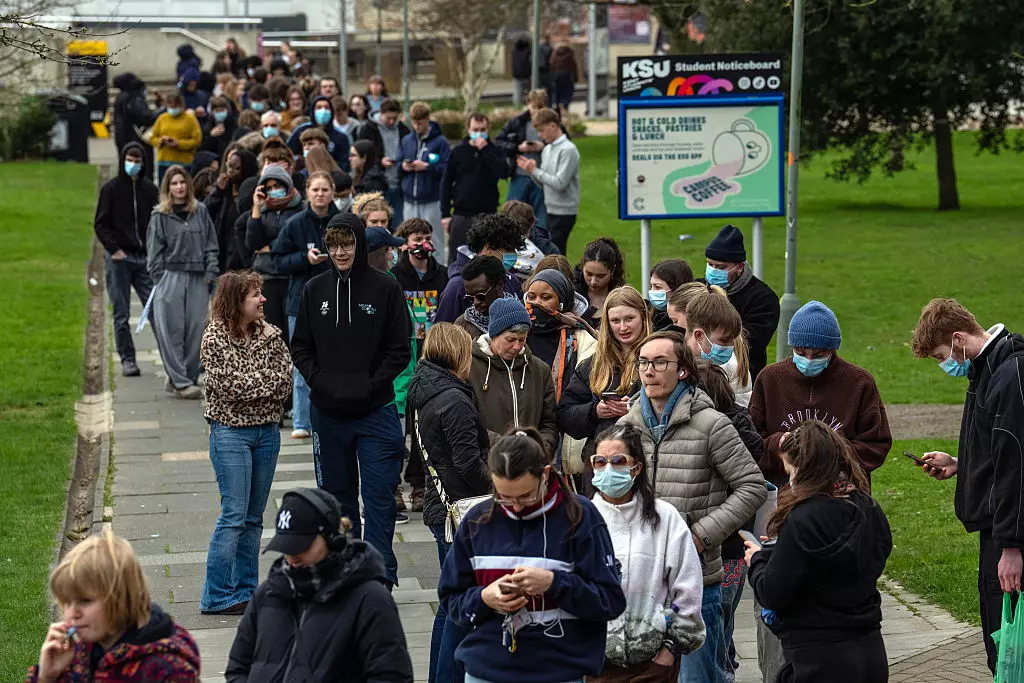
In response, around 5,000 University of Kent students are being offered vaccination, with the aim of limiting further serious illness and reducing the risk of the infection spreading more widely.
Meningitis is a serious infection that causes inflammation of the protective membranes (meninges) around the brain and spinal cord. This swelling is what often leads to hallmark symptoms such as a stiff neck, headache, and fever.
MenB is caused by the bacterium Neisseria meningitidis (also known as meningococcus). Compared with some other forms of meningitis, it can progress more quickly, and severe complications can develop within 24 hours of symptoms beginning.
Many children and teenagers receive protection against meningitis types A, C, W and Y, but fewer people are vaccinated against MenB. This is partly because the MenB vaccine does not provide lifelong immunity and, outside of situations like the current outbreak, adult infections are generally uncommon.
The Mayo Clinic notes that early symptoms of meningitis can resemble flu and may develop over several hours or over a few days.
In people aged two and above, signs of meningitis can include: