

Fighting involving Iran is set to ripple far beyond the region, with everyday costs expected to rise soon in three major areas.
On February 28, the US and Israel carried out strikes in Iran’s capital, Tehran, escalating instability across the Middle East.
The operation, known as Operation Epic Fury, reportedly resulted in the death of Iranian Supreme Leader Ali Khamenei, with his son Mojtaba Khamenei stepping into the role.
In the latest developments, Trump criticised UK Prime Minister Sir Keir Starmer and the US “special relationship” with the UK, amid Britain’s response to the situation in Iran.
Trump had urged other countries to send warships to protect
His comments followed Starmer saying the UK was working with partners on a ‘viable, collective plan’ to reopen the strait, as oil prices continue to surge.
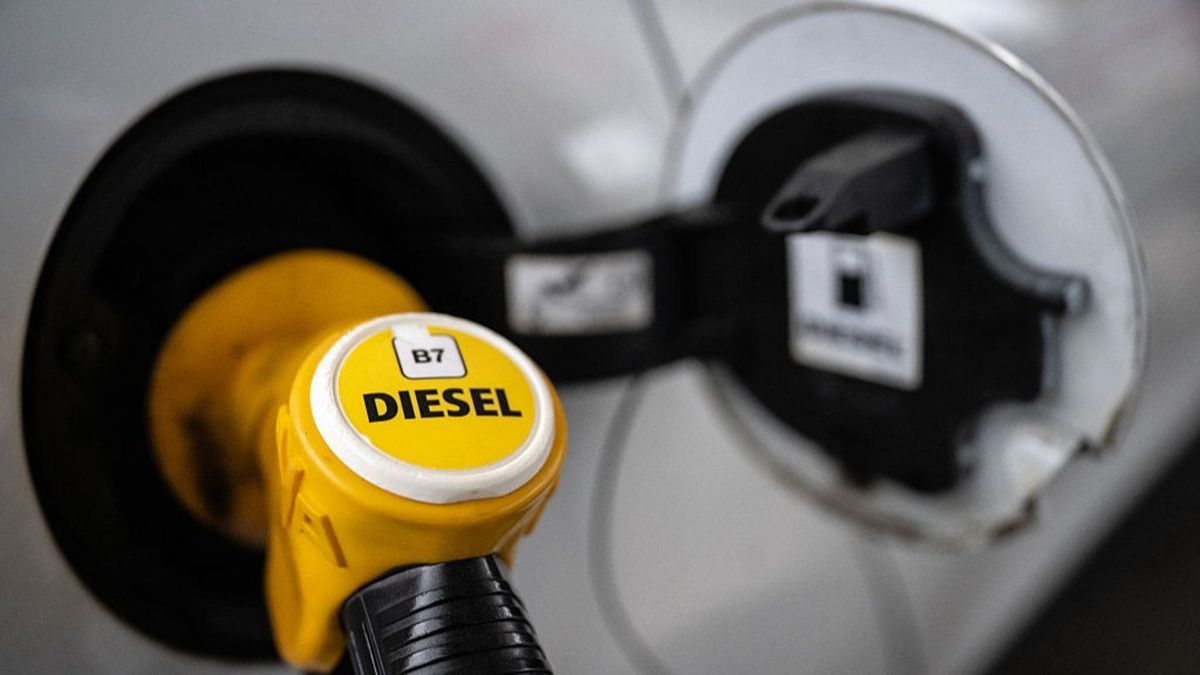
With tensions intensifying, the Strait of Hormuz — the world’s busiest oil shipping route — has effectively ground to a halt, as diesel prices climb to $5 per gallon, according to GasBuddy data.
This marks only the second time diesel has reached that level in the US, the first being in 2022.
Rising diesel costs are expected to hit three areas especially hard: food, deliveries, and housing.
BREAKING: For just the second time ever, the U.S. average diesel price has reached $5 per gallon, according to GasBuddy. It's the highest since December 8, 2022 — the only other time diesel crossed $5 nationally. pic.twitter.com/jgXGMkTQjd
— Patrick De Haan (@GasBuddyGuy) March 16, 2026
Food
Food prices could tick upward first, since diesel is essential for much of the work done on farms — from running tractors to harvesting — and those operational costs are already jumping.
One Virginia farmer said it now costs him around $500 just to fill his tractor, which ‘doesn’t last long.’
Input costs may climb further as fertiliser prices rise too, because ingredients such as urea and ammonia typically move through the Strait of Hormuz — and that flow has been disrupted.
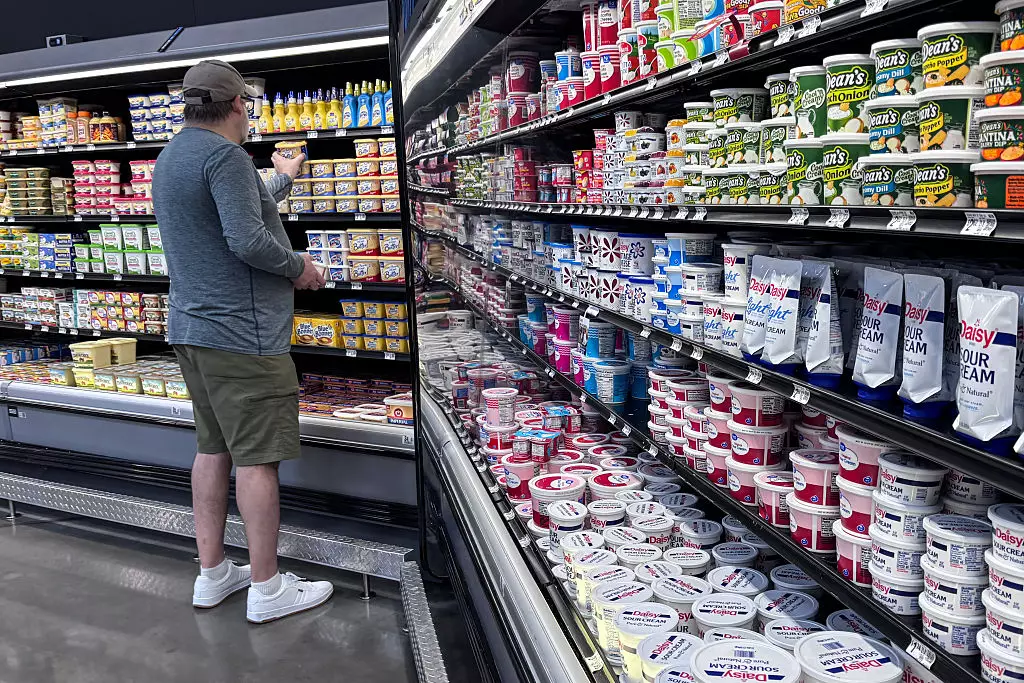
Because trucks move more than 80 percent of US agricultural products, increased fuel prices can filter rapidly into what shoppers pay at the supermarket.
According to the USDA, around 92 percent of dairy, fruit, vegetables and nuts in the US are transported by truck.
Deliveries and shipping
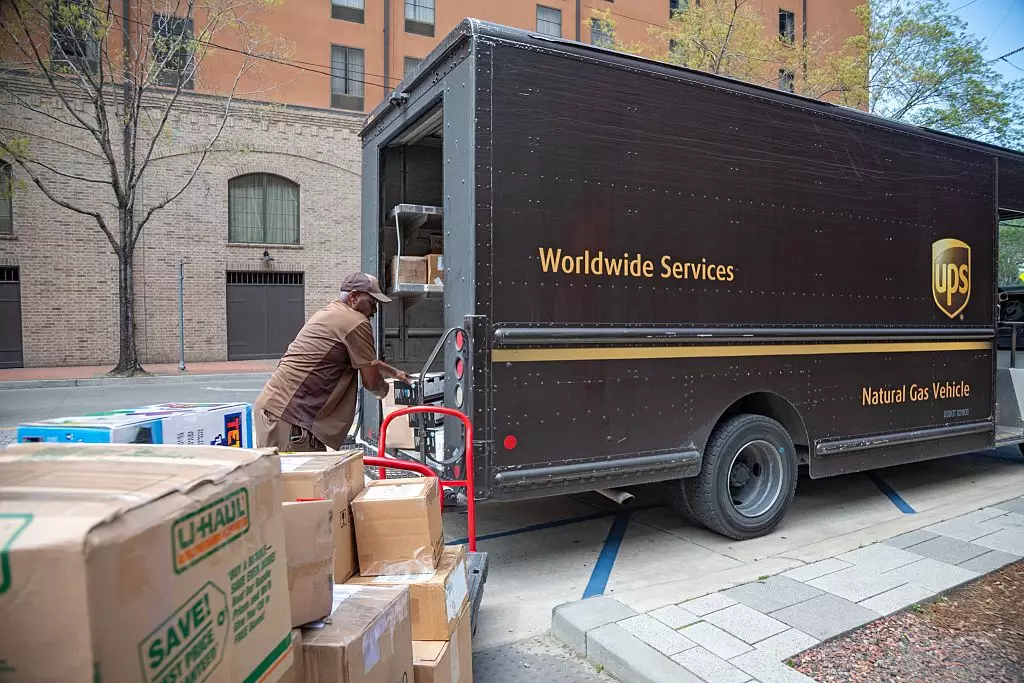
Next, delivery and shipping are likely to become pricier. Major couriers including UPS and FedEx have already added surcharges to cover higher fuel costs, while airlines are pushing up fares as jet fuel becomes more expensive.
Even without ordering from overseas, those increases can spread through domestic transport networks — raising the cost of everything from online purchases to takeaway meals.
Maybe take this as a sign to cancel that unnecessary clothes order…

Housing and construction
Finally, housing and construction may face fresh upward pressure. Diesel powers much of the heavy equipment used on building sites — including bulldozers and excavators — and it also affects the cost of transporting materials.
As fuel becomes more expensive, construction costs can rise alongside it, lifting the price of new builds, infrastructure work, and even everyday renovations, as Forbes reports.
While shoppers might not feel the impact immediately, specialists say the cumulative effect is likely to grow over the next several weeks.
As if our budgets aren’t already stretched enough…