

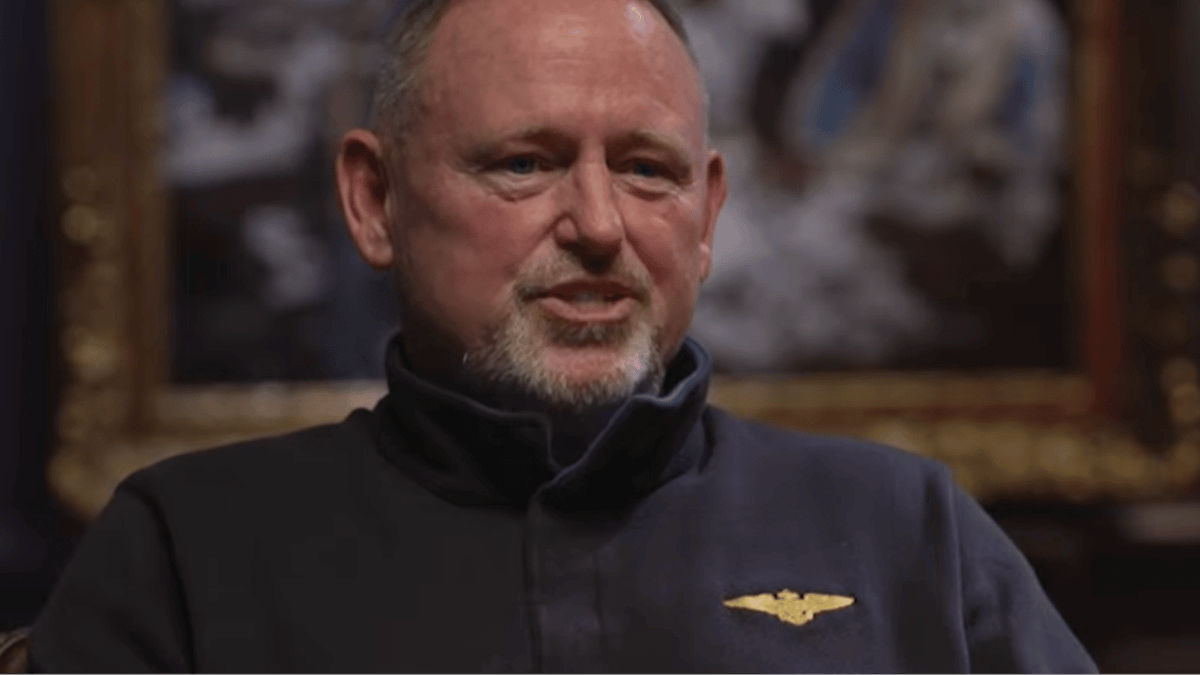
Barry “Butch” Wilmore, one of the astronauts widely described as being “stranded” in space for nine months, has opened up about the point when he feared he wouldn’t survive.
Wilmore and fellow NASA astronaut Sunita Williams launched from Cape Canaveral Space Force Station on June 5, 2024, expecting a short stay that was planned to last just eight days.
Instead, the mission stretched dramatically, with the pair ultimately spending 286 days aboard the International Space Station (ISS).
After technical problems affected their spacecraft, the astronauts remained on the ISS far longer than intended before eventually returning to Earth aboard a SpaceX Dragon capsule in March last year.
Now, roughly a year after coming home, Wilmore has been working on a memoir reflecting on the prolonged mission and what it was like to live through so much uncertainty in orbit.
In Stuck in Space: An Astronauts Hope Through the Unexpected, he describes a moment during the ordeal when his thoughts turned to the possibility that he might not make it back.
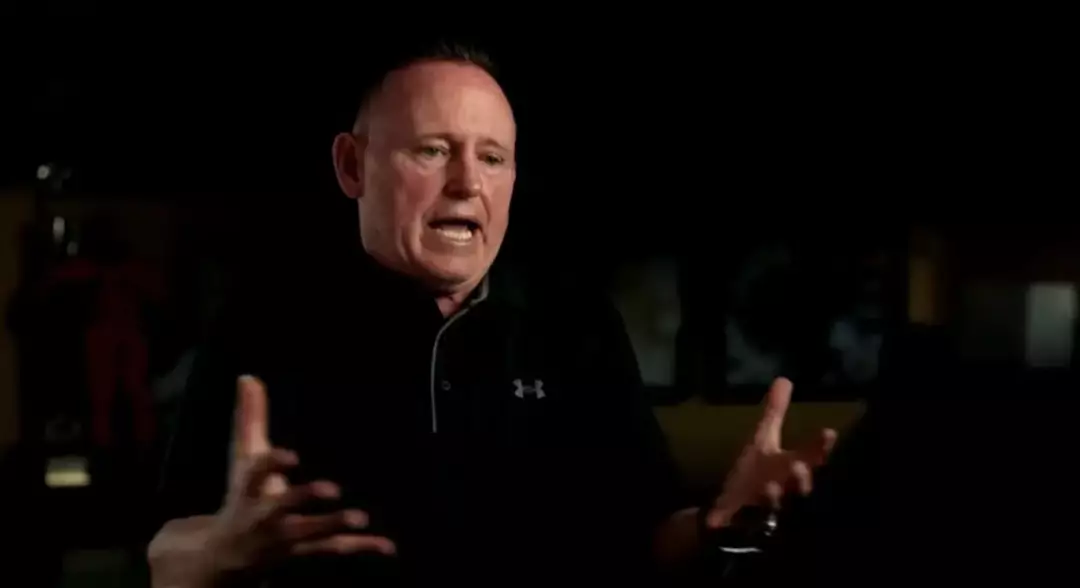
“I cannot even begin to convey the feeling of dread that momentarily overwhelms my emotions. It’s simply unbelievable,” he wrote.
Wilmore explained that memories of the 2003 Space Shuttle Columbia tragedy—when seven crew members died—immediately surfaced, intensifying his fears.
He added in the newly released book: “I think of the partially charred helmet and boot I retrieved from that East Texas field. The pieces had fallen tens of thousands of feet. Certainly all of those thoughts race through your mind. But you compartmentalize and get rid of them because you got to focus on what’s going on at the moment.”
Williams also spoke publicly about the mission in an October 2025 interview with 60 Minutes Australia, describing when she first suspected something was off.
“We knew on the second day, before we started losing thrusters, that things were not acting correctly,” she said.
“The spacecraft was working hard to keep us on the trajectory of the space station, but it wasn’t acting like it was designed to.”
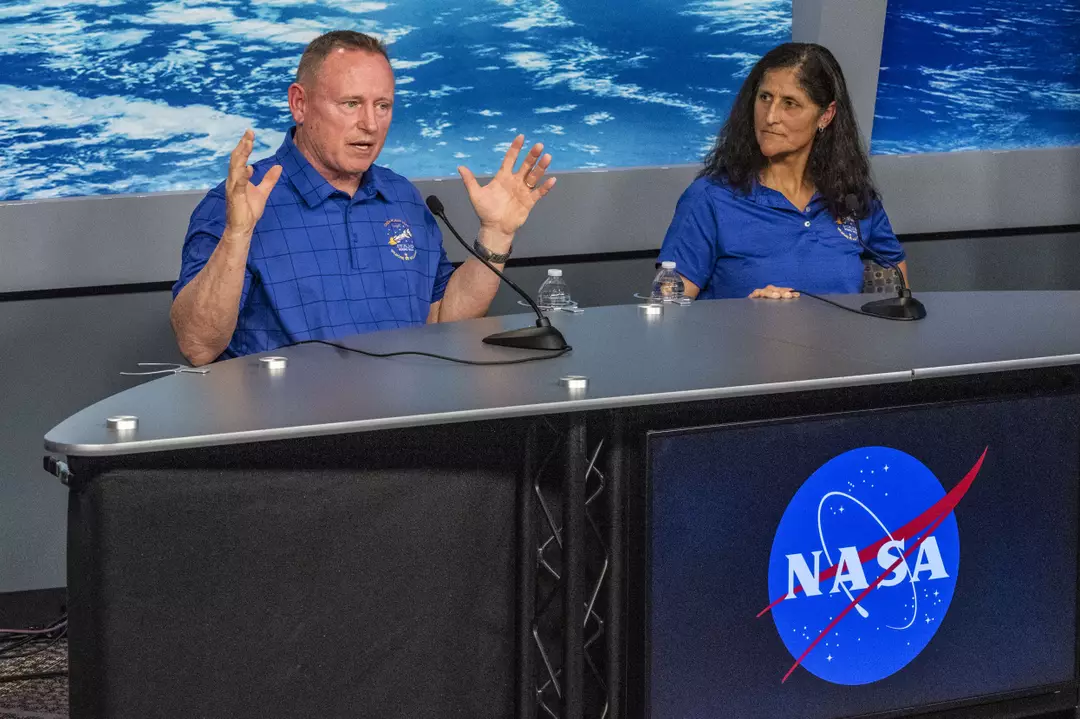
She said the thrusters began dropping out “one after another,” and that was when the seriousness of the issue became unmistakable.
Williams explained how subtle changes were noticeable even without instruments, comparing it to recognizing when a car doesn’t sound quite right.
She recalled “I think both of us were like, ‘does that sound right?’ Because you can tell when things are working by the way they sound, right? Like your car is the same way.
“If it sounds a little different, you’re sort of questioning yourself, like ‘am I hearing something?'”
Despite the prolonged delays and the uncertainty around a return plan, Wilmore later suggested he tried not to let frustration take over as they waited for a safe trip home.
He said: “It’s wonderful enjoyment. It’s fun. This is not an easy business that we’re taking part in. It is very difficult. Human spaceflight is tough and sometimes you run into situations that are unexpected and we found ourselves in one.”