

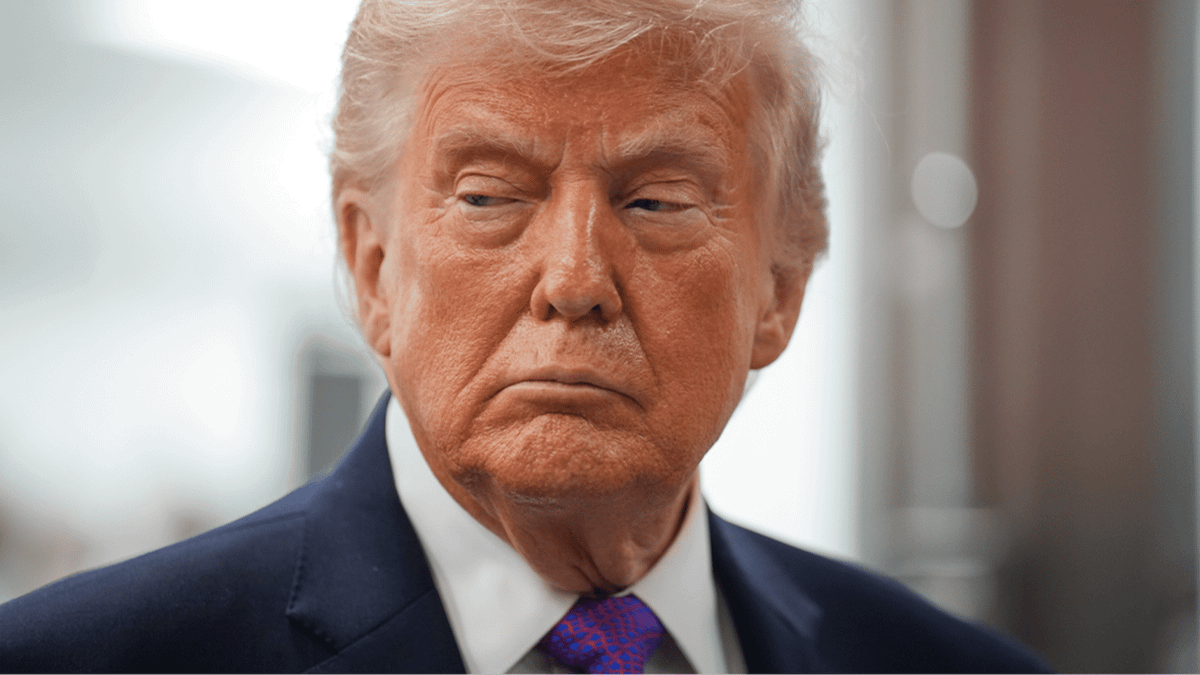
AI-made clips ridiculing Donald Trump are circulating widely on Chinese social media as the US and Israel’s war with Iran continues.
One widely shared example is an animated cartoon showing Trump fielding a reporter’s question during a press briefing.
In the generated footage, the journalist asks him about the Minab school.
The reference is to an attack that killed 168 people, including more than 100 children who were at the school.
Amnesty International has reported that the US was responsible, and US officials have acknowledged an investigation is underway, though Trump and his supporters have rejected any American involvement.
After the reporter’s question, the video switches to a depiction of Trump’s mind, where goblin-like figures urge him to be dishonest.
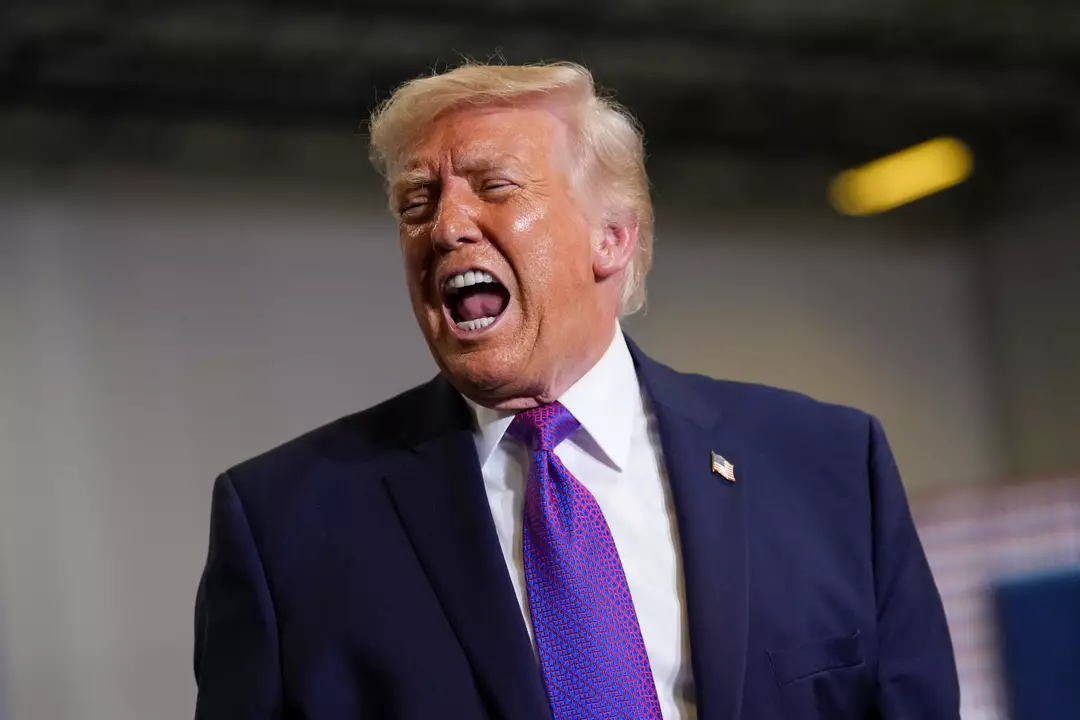
They press a button labelled “lie”, before the scene returns to Trump saying: “We didn’t hit the Minab school. America doesn’t have Tomahawk missiles at all!”
The clip is reported to have come from Iran’s embassy in China, and it has been able to circulate across Chinese platforms.
Another AI cartoon spreading in China features an eagle symbolizing the US, shown trapping several white doves—linked with peace—inside a cage.
Separately, a state-media cartoon portrays Uncle Sam throwing fuel onto a blaze marked “Hormuz Crisis”.
China’s online space is heavily monitored, and authorities can stop content—especially political material—from being shared widely.
CNN has said the distribution of these videos indicates censors have opted not to block them.
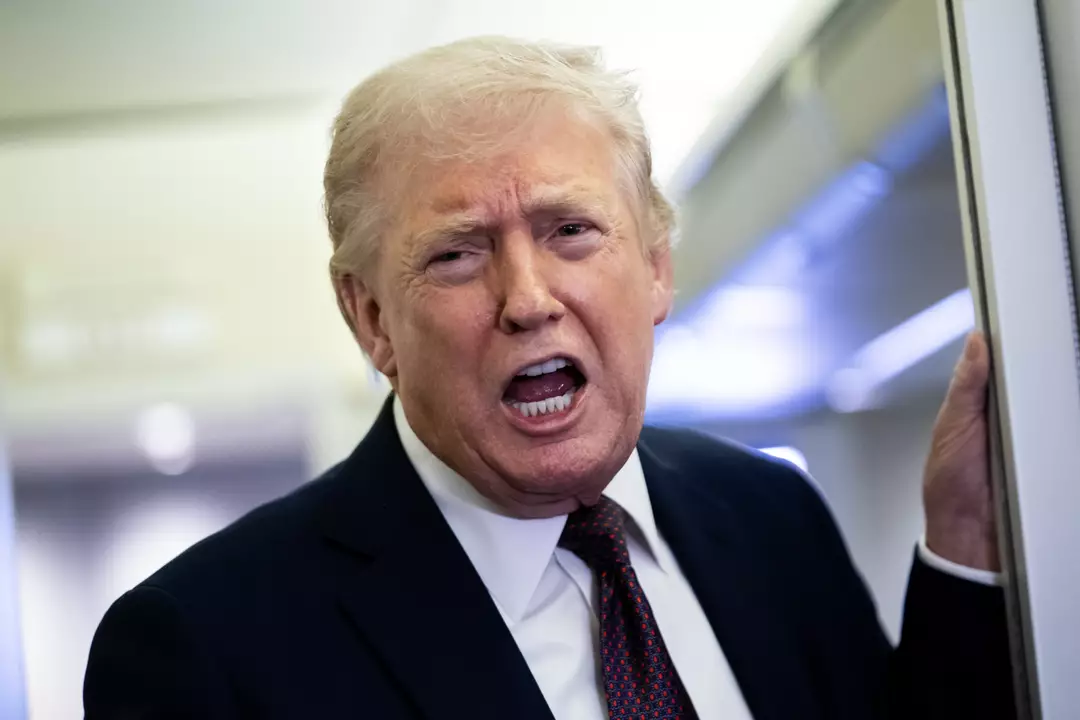
Publicly, however, China has projected a more even-handed stance, with CNN reporting the foreign ministry said the US and China “remain in communication”.
The conflict has also led to the Strait of Hormuz being blocked.
This narrow passage sits between Iran’s southern coastline and the United Arab Emirates, and it serves as one of the world’s most heavily used routes for oil shipments.
It is the corridor that lets tankers leave Gulf ports for the Arabian Sea, from where they can head west toward the Suez Canal or east in the direction of India.
Roughly 20 percent of global oil shipments pass through Hormuz, and the disruption has driven prices sharply higher—from about $70 per barrel before the war to more than $100.
UN refugee agency estimates indicate about 3.2 million people in Iran have been displaced since fighting began.