

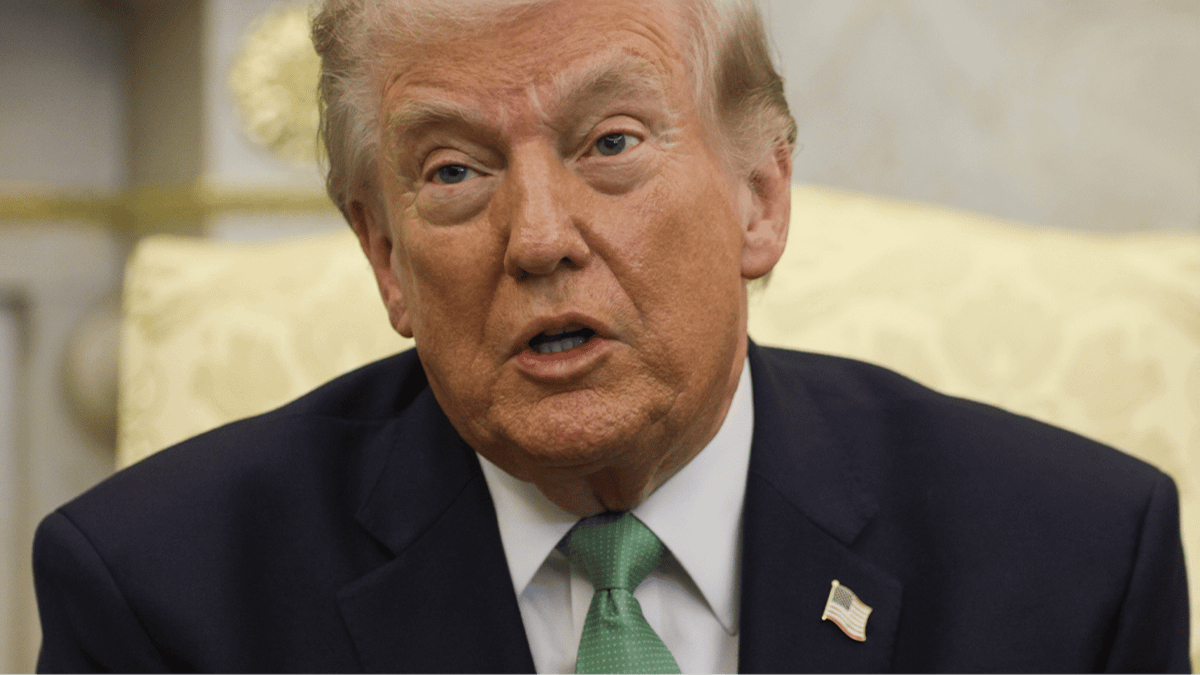
Two weeks have passed since the White House dramatically shifted nearly five decades of Middle East policy by backing Israel’s strikes on Iran, an operation that has eliminated much of the Islamic Republic’s senior leadership.
The decision fulfilled an objective long pursued by influential voices in America’s security and foreign-policy circles, from Kissinger to Bush Sr. And Bush Jr. It also reflects President Trump’s broader approach, which has included using US military power to remove another long-standing adversary.
That moment came on January 3, when Venezuelan President Nicolas Maduro and his wife were captured and transported to the United States. They are currently being held at New York’s Metropolitan Detention Center, where they face contested narcoterrorism conspiracy allegations.
Yet the administration’s renewed appetite for high-risk foreign interventions appears unlikely to end there. The president has repeatedly suggested that Cuba’s leadership could be the next target in Washington’s push to unseat governments it views as hostile.
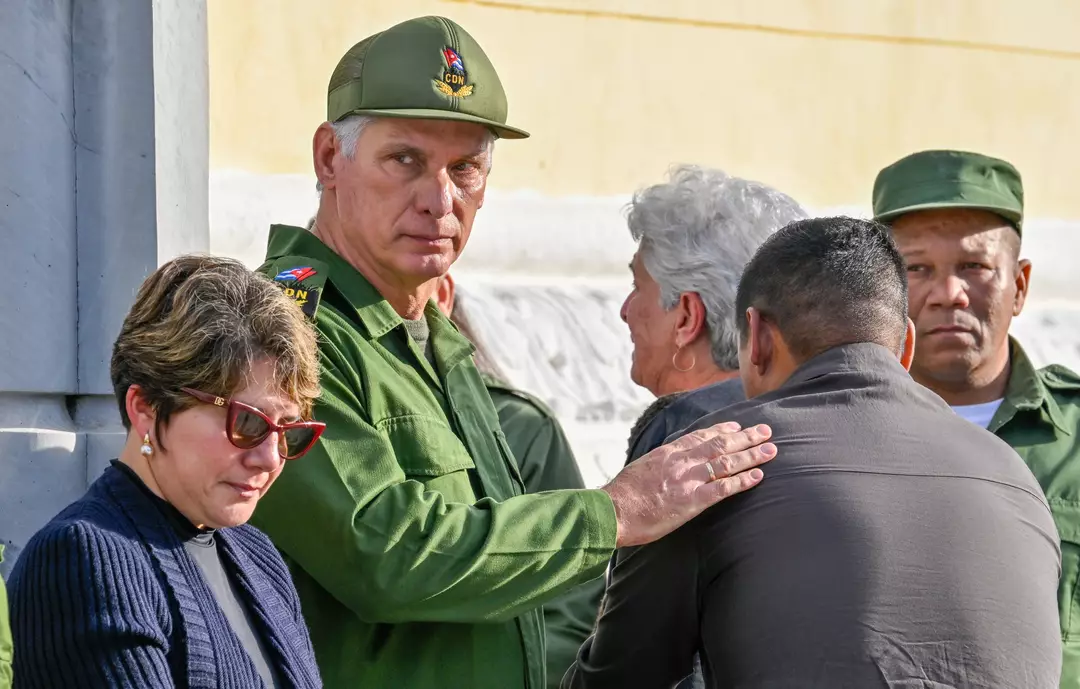
Even so, President Miguel Díaz-Canel—who succeeded Raúl Castro in 2018, becoming the first non-Castro leader since the 1959 revolution—may prove far more difficult to dislodge.
At 66, Díaz-Canel has projected a different public image from Fidel and Raúl Castro, often appearing in a suit and tie rather than military fatigues. Despite the stylistic shift, he has maintained close adherence to Cuba’s brand of communism, rooted in strong state control over key industries.
That continuity matters. By remaining aligned with the officials and institutions that operate the machinery of the Cuban state, Díaz-Canel is backed by a system built to withstand pressure. As a result, analysts argue that a strike or abduction attempt akin to what happened in Venezuela would be unlikely to trigger the rapid collapse of Cuba’s governing structure—an island the US attempted to purchase twice in the 19th century and later invaded with disastrous consequences in the 20th.
Still, specialists say the White House may be preparing for tougher measures against Havana at a time when Cuba is substantially weaker, in part due to the loss of Venezuela as an ally and as a source of oil that helped it evade the impact of sanctions.
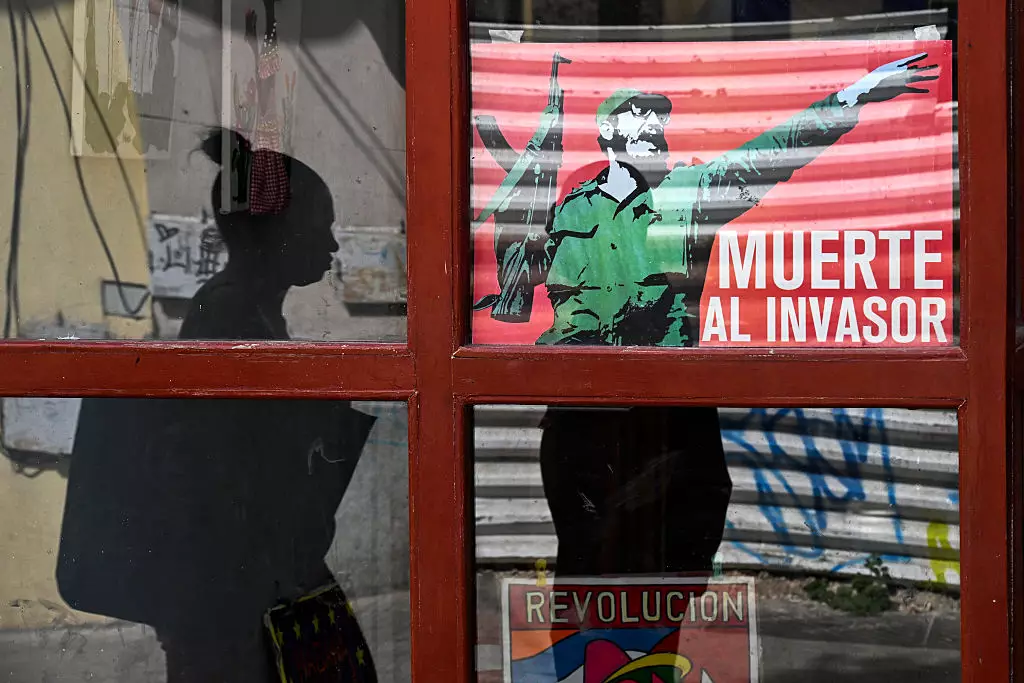
Cuba’s energy crunch has deepened sharply, with oil supplies reportedly down 60 percent since January. The shortage has driven extensive blackouts and fueled protests—on top of the damage from economic embargo measures that were reinstated during Trump’s first term.
“Trump will move ASAP. The social costs, like putting the people of Cuba under duress, have become too high,” a diplomat with intimate knowledge of the Caribbean island’s affairs said.
The same source claimed the president is fixated on regime change in Cuba, a view bolstered by his repeated public remarks describing the country as increasingly vulnerable.
Trump told reporters this week: “You know, all my life I’ve been hearing about the United States and Cuba. When will the United States do it?”
He added: “I do believe I’ll be … having the honour of taking Cuba. Whether I free it, take it – think I could do anything I want with it. You want to know the truth. They’re a very weakened nation right now.”
Those statements followed reports, cited by the outlet and attributed to multiple sources, alleging that the White House urged Cuban officials to push their leader out—an effort that reportedly went nowhere.
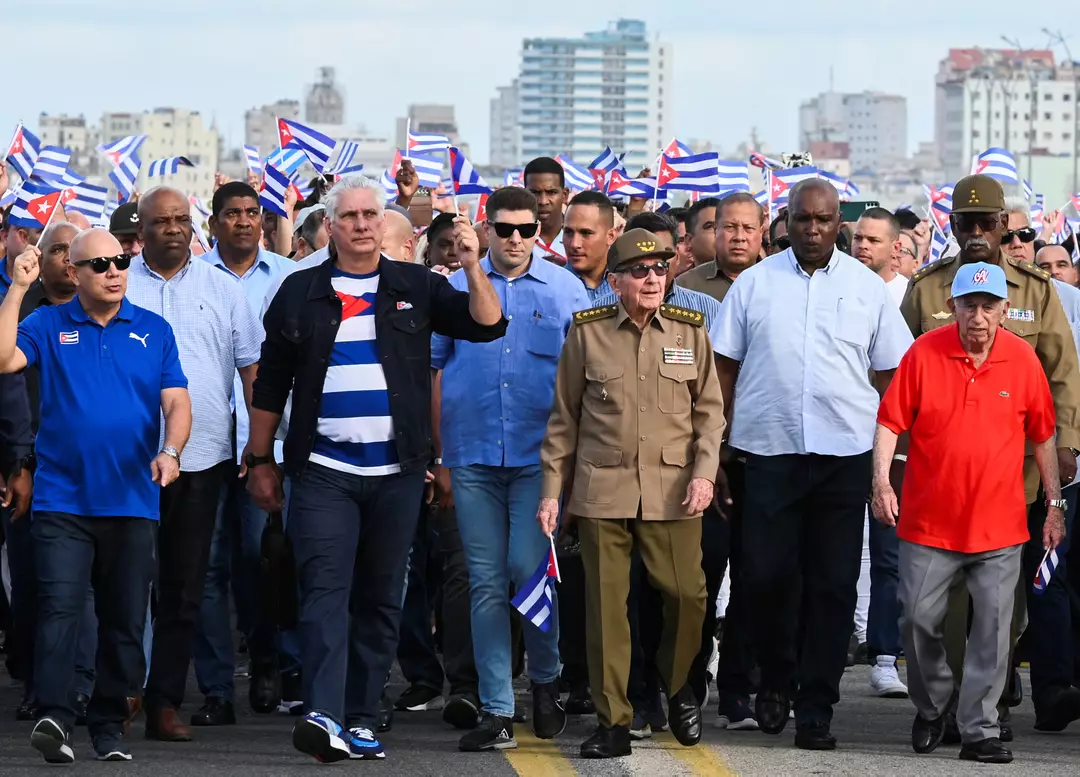
As economic conditions tighten and the prospect of outside intervention looms, Díaz-Canel framed the pressure as punishment directed at the entire nation, saying: “Only in this way can the fierce economic war be explained, which is applied as collective punishment against the entire people.
“In the face of the worst scenario, Cuba is accompanied by a certainty: any external aggressor will clash with an impregnable resistance.”
But with the grid strained and power cuts spreading amid the loss of external oil supplies, some observers argue that ideological discipline and organized party structures may not be enough to contain growing instability.
Speaking to Metro, William LeoGrande, a professor at who has tracked Cuba for years, said: “The Cuban government doesn’t have the hard currency to import spare parts or upgrade the plant or grid itself. It’s just a perfect storm of collapse.”