

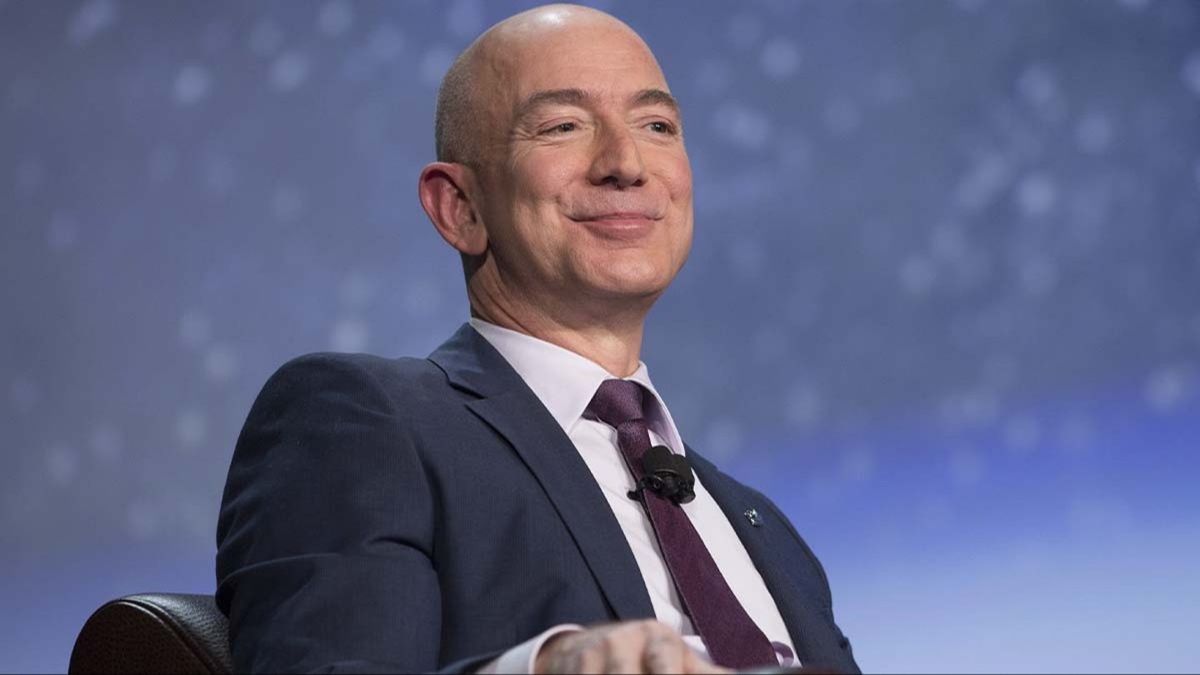
Blue Origin, the space company founded by Jeff Bezos, has asked regulators for approval to deploy a massive satellite constellation totaling more than 50,000 spacecraft.
The proposal, called ‘Project Sunrise’, would put 51,600 satellites into orbit. Instead of focusing purely on communications, the network is intended to function as an orbiting data-center platform.
Blue Origin submitted its paperwork to the Federal Communications Commission on March 19. In the filing, the company’s legal team argued the plan would ‘ease mounting pressure on US communities and natural resources by shifting energy — and water-intensive compute away from terrestrial data centers’.
They added, per Space News: “The built-in efficiencies of solar-powered satellites, always-on solar energy, lack of land or displacement costs, and nonexistent grid infrastructure disparities fundamentally lower the marginal cost of compute capacity compared to terrestrial alternatives.”
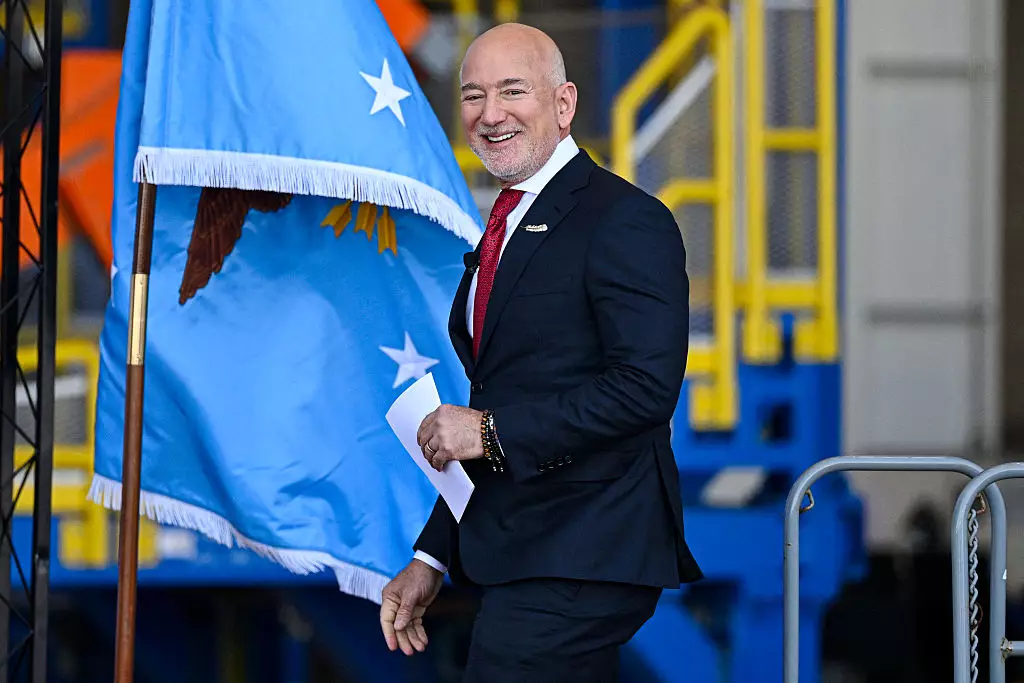
“Blue Origin’s Project Sunrise will serve the broad AI data center market and enable US companies developing and using AI to flourish, accelerating breakthroughs in machine learning, autonomous systems and predictive analytics in support of broad societal benefit,” the attorneys continued.
The timing of the request comes shortly after SpaceX’s Starlink reached a milestone of its own, with Space.com reporting the company has now launched its 10,000th satellite.
Large satellite fleets have become central to everyday life, supporting services such as worldwide communications, navigation and GPS tools, and weather monitoring, among other functions.
However, the rapid increase in objects in orbit has also intensified concerns—particularly around Kessler syndrome, a scenario in which collisions create debris that triggers further collisions.
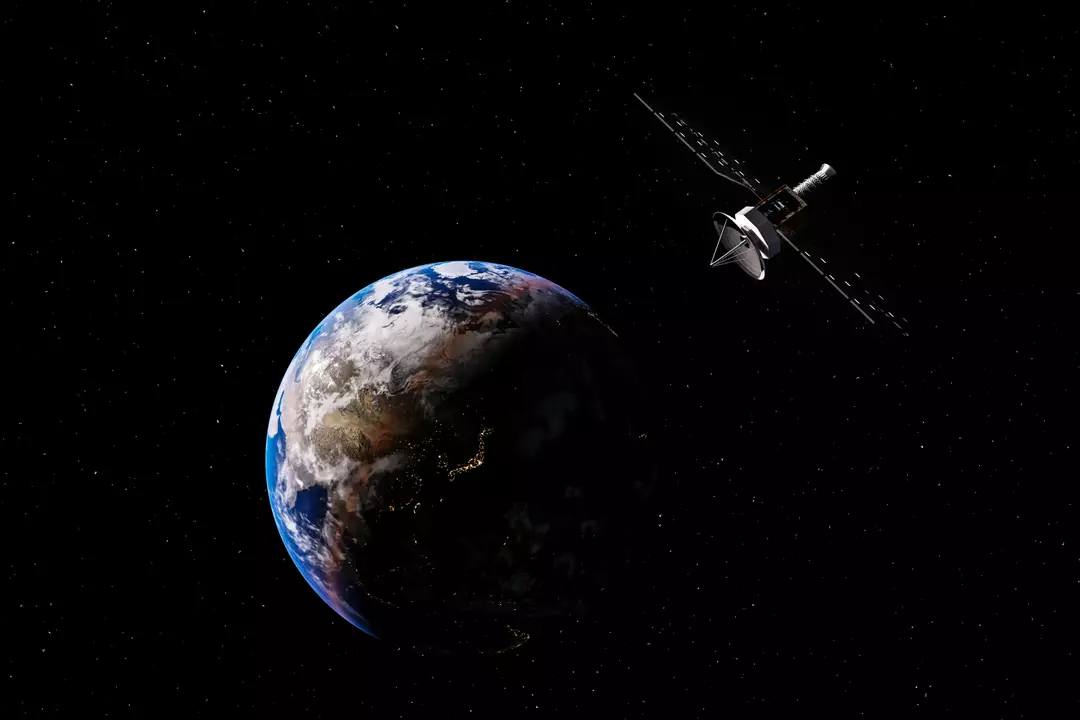
National Space Centre has explained what Kessler syndrome is. It states on its website: “The Kessler syndrome was first proposed in 1978 by NASA scientist Donald J. Kessler. This was shortly after the Space Race and the number of satellites being sent into low Earth orbit (LEO) was accelerating rapidly.
“Kessler proposed a theoretical scenario where the number of objects in LEO would become so vast that it would cause a chain of events that could eventually stop us leaving Earth.
“Kessler’s theory is that if we keep launching into space without a plan of bringing things back down, it would cause LEO to reach a critical mass where collisions between objects would inevitably begin to happen.”
Separate warnings have also been raised about the physical risks posed by re-entering satellite debris. The Federal Aviation Administration (FAA) has previously cautioned that existing satellites could seriously injure or kill someone by 2035.
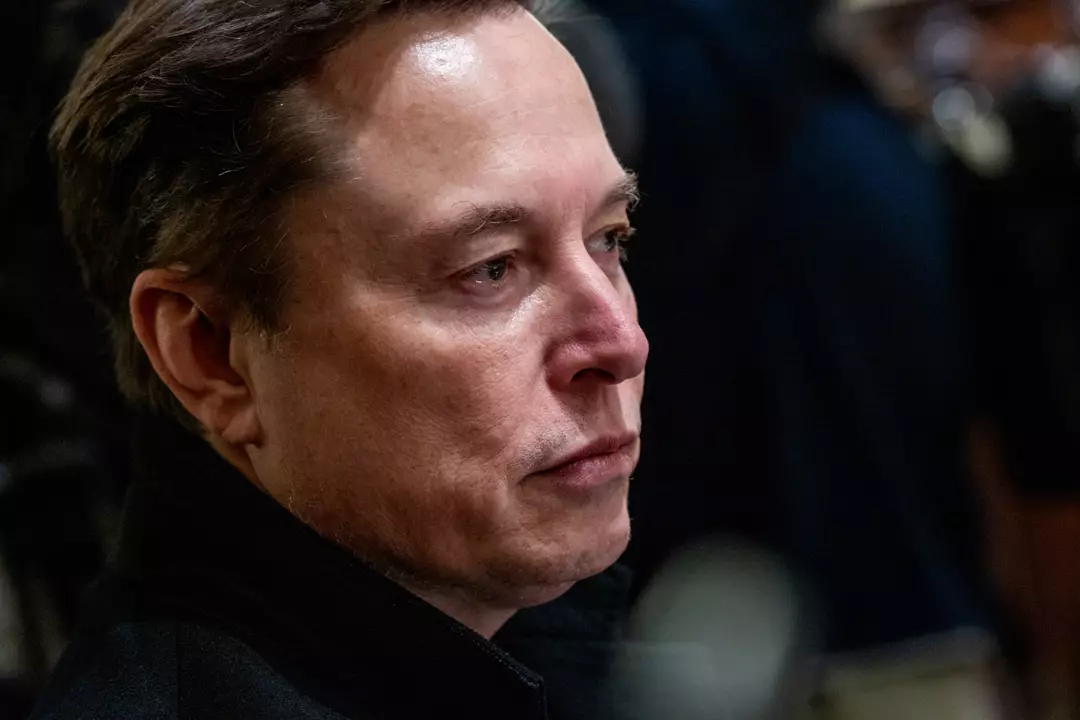
In remarks aimed specifically at Musk, the FFA said that 28,000 dangerous fragments could survive re-entry into the Earth’s atmosphere. Musk insisted that his satellites ‘are designed and built to fully demise during atmospheric reentry’, however.
Even beyond the risk to people on the ground, critics argue that a denser orbital environment could make future missions harder and more hazardous.
Another fear is that, as space becomes increasingly crowded, satellites could collide more often, potentially taking out multiple systems and multiplying debris.
Such a cascade could ripple back to Earth, affecting economic activity, communications reliability, and national security capabilities—points Neil DeGrasse Tyson discussed on StarTalk Radio last year.
“The Kessler syndrome would be catastrophic to modern civilization as we have come to know it,” he further warned.