

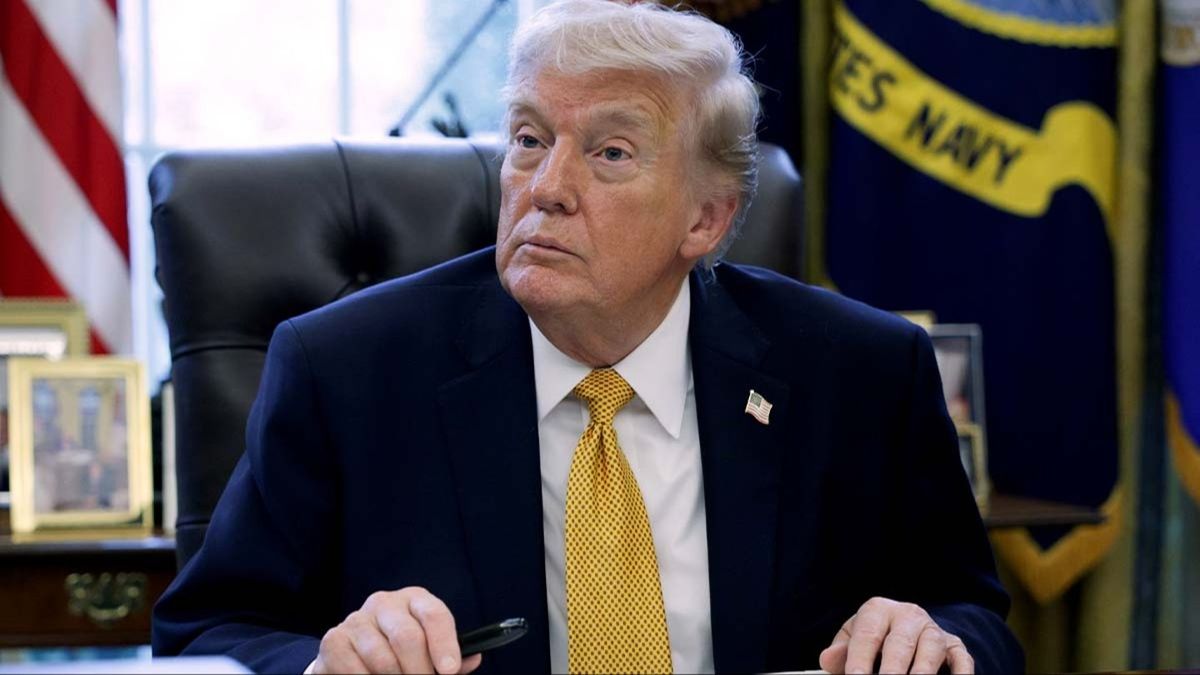
Donald Trump has reversed course and temporarily eased restrictions on Iranian oil in response to a sharp spike in crude prices triggered by the US and Israeli conflict with Iran.
Before the fighting began, oil had been trading at roughly $70 per barrel, but it has since climbed to about $110.
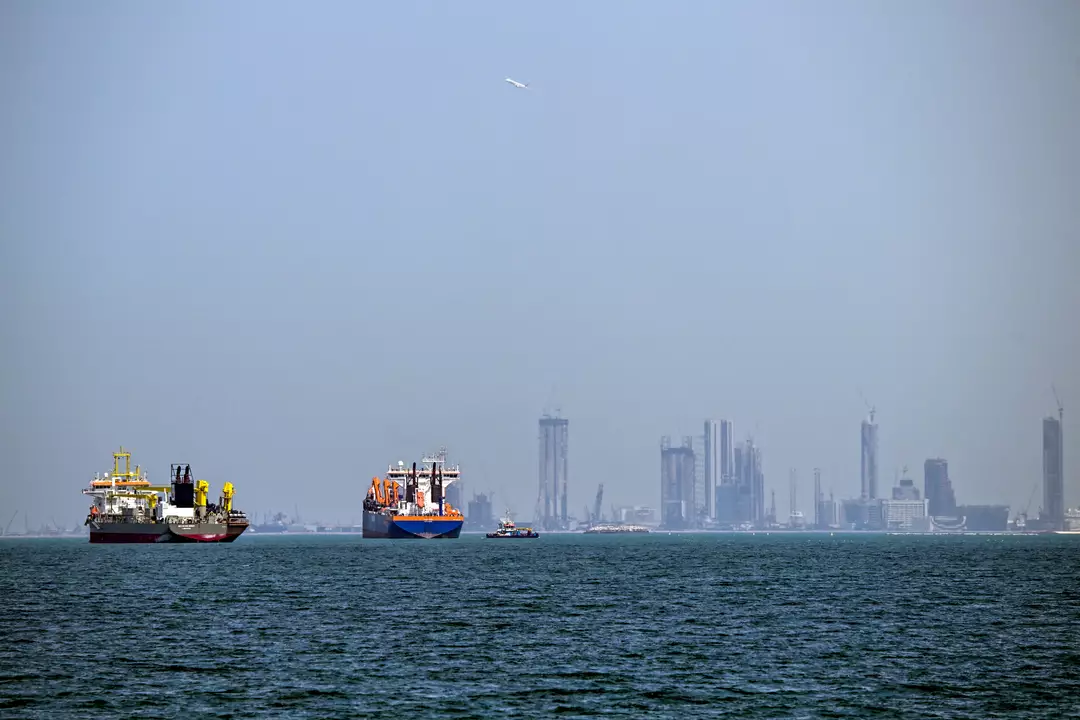
Prices jumped after Iran retaliated against US and Israeli strikes by restricting passage through the Strait of Hormuz — a key shipping route between the UAE and Iran’s southern coastline that handles around a fifth of the world’s oil flows.
Despite the disruption, tankers carrying Iranian oil have still been permitted through the channel, with China remaining the largest purchaser of Iranian crude.
Even so, US sanctions have left an estimated 140 million barrels of oil effectively stranded. Trump has now issued a temporary licence allowing that supply to be sold in an effort to cool the market.
The decision comes with US midterm elections approaching, as rising fuel costs can quickly become politically damaging for any sitting president. That dynamic is adding urgency for the administration to bring prices down while continuing the military campaign.
Treasury Secretary Scott Bessent said: “Iran will have difficulty accessing any revenue generated and the United States will continue to maintain maximum pressure on Iran and its ability to access the international financial system.”
According to the US Energy Information Administration, 140 million barrels would cover global oil demand for around 36 hours.
The move also raises a strategic risk for Washington: if Iran ultimately gains meaningful access to the proceeds, the funds could help support its military efforts against the US and Israel.
However, while most shipping was affected by the Strait of Hormuz restrictions, Iran continued allowing its own vessels through — enabling ongoing sales, particularly to China.
The oil shock is already rippling through the US economy, with gasoline prices moving higher and mortgage rates rising to 6.22 percent amid concerns that energy costs could rattle broader markets.
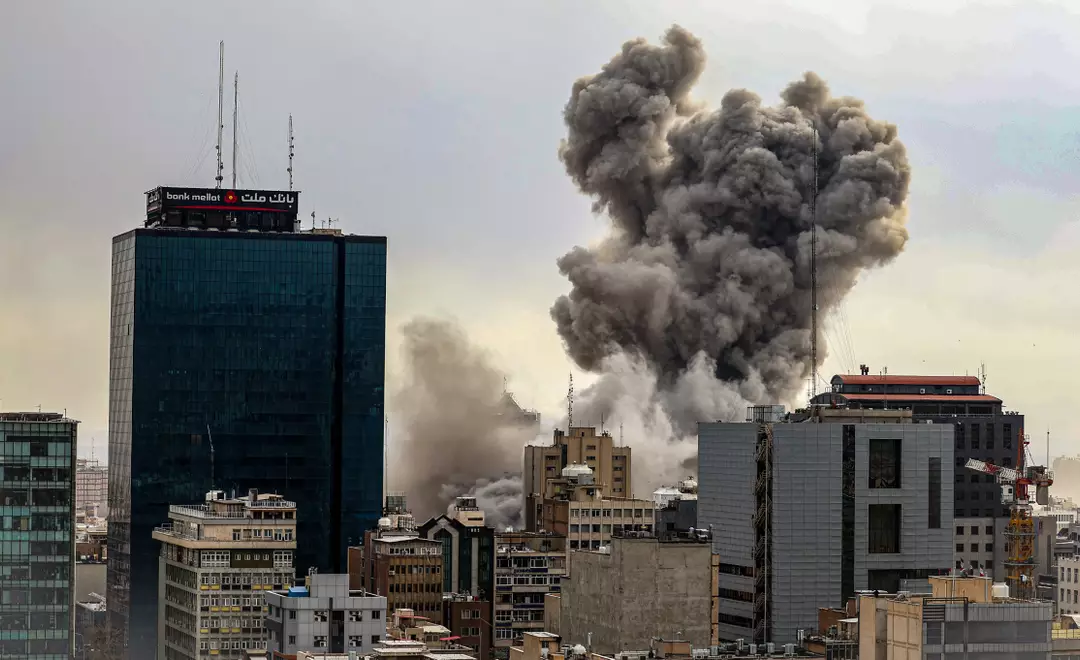
Trump’s war with Iran is now in its third week, with the US and Israel striking multiple Iranian cities and key infrastructure targets.
Oil is not the only resource facing uncertainty because of the conflict.
There have also been reports of attacks on desalination facilities in Iran and Bahrain, developments that could threaten water supplies around the Arabian Gulf, where desalination provides a significant share of drinking water.