

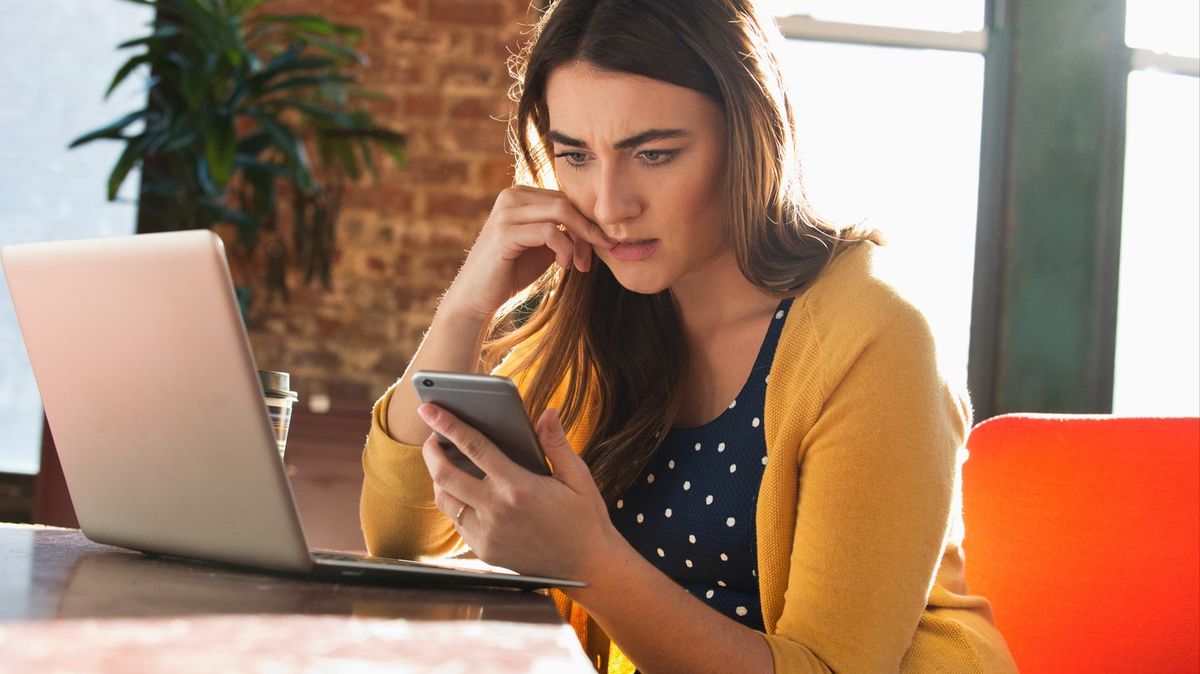
Experts have warned about the risks of relying on social media for mental health answers, pointing to one major problem in particular.
Social platforms may once have looked like a short-lived trend, but they’re now deeply embedded in everyday life — shaping how people communicate, learn, and seek advice.
That shift includes health information. More and more users are turning to apps for guidance on wellbeing, sometimes choosing them instead of running a traditional Google search.
But researchers from the University of East Anglia (UEA) and Norfolk and Suffolk NHS (National Health Foundation) Foundation Trust say this approach can be especially problematic when it comes to mental health content.
The team reviewed research assessing the standard of information about mental health and neurodivergence shared across social media.
Across the studies they examined, they found that misinformation appeared more frequently on TikTok than on other major platforms, including YouTube, Facebook, X, and Instagram.
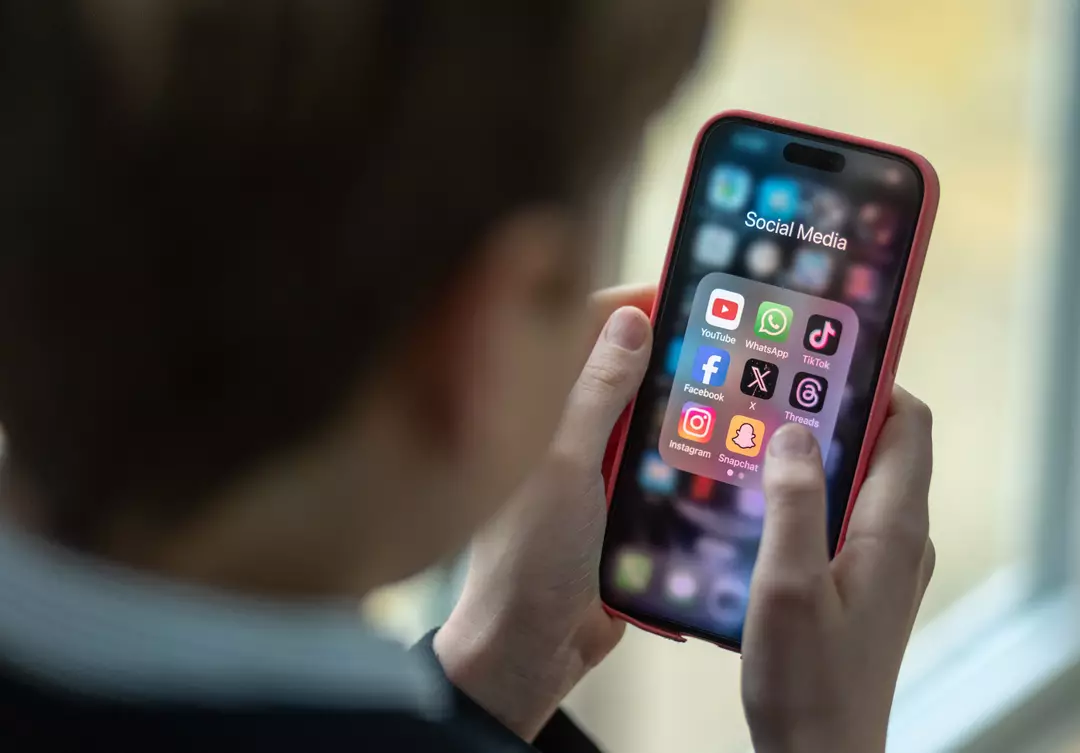
Dr Alice Carter, from UEA, said: “When we looked closely at TikTok content, studies reported that 52% of ADHD-related videos and 41% of autism videos analyzed were inaccurate.
“By contrast, YouTube averaged 22% misinformation while Facebook averaged just under 15%.”
Dr Eleanor Chatburn from UEA’s Norwich Medical School said social media can be helpful in some cases, but warned it may also contribute to people — particularly younger users — becoming convinced they have a condition without seeking a formal assessment.
Another concern raised is the way algorithms can rapidly amplify posts. Regardless of accuracy, content that grabs attention can spread widely, making it harder for reliable information to keep pace.
Chatburn said: “Mental health information on social media matters because many young people now turn to these platforms to understand their symptoms and possible diagnoses.
“TikTok content has been linked to young people increasingly believing they may have mental health or neurodevelopmental conditions. While this questioning can be a helpful starting point, it’s important these questions lead to proper clinical assessment with a professional.
“As well as leading to misunderstanding of serious conditions and pathologizing ordinary behavior, misinformation can also lead to delayed diagnosis for people that actually do need help
The researchers also noted that posts produced by qualified health professionals were generally more reliable.
Carter added: “While lived-experience can play an important role, with personal stories helping people to feel understood and raising awareness of mental health conditions, it is vital to ensure that accurate and evidence-based information from clinicians and trusted organizations is also visible and easy to find.
“TikTok’s algorithms are also designed to push rapidly engaging content and this is a major driver of misinformation.
“Once users show interest in a topic, they are bombarded with similar posts – creating powerful echo chambers that can reinforce false or exaggerated claims. It is a perfect storm for misinformation to go viral faster than facts can catch up.”