

A government website lays out important guidance on what you should do during a radiation emergency, including a nuclear strike.
It’s fair to say most people hope a nuclear conflict never happens, but being informed about what to do in a worst-case scenario can still be valuable.
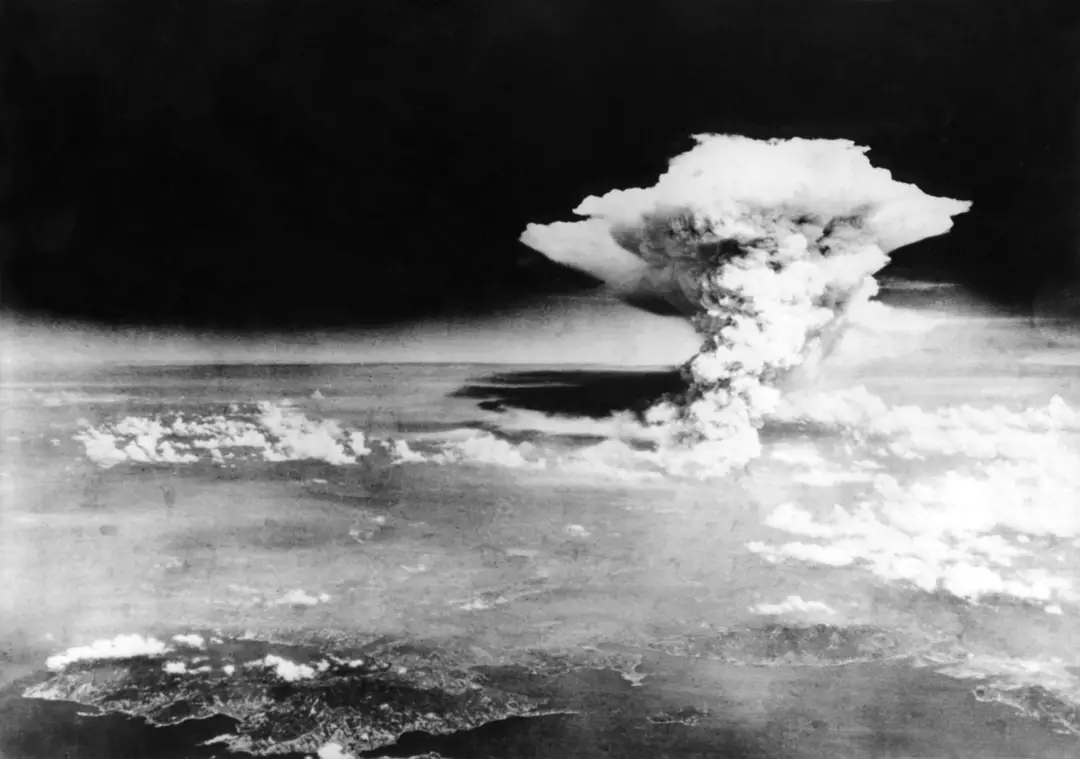
Nuclear warfare has been debated for generations, particularly since the United States dropped the first atomic bomb on Hiroshima on 6 August, 1945.
Just days later, a second nuclear bomb was detonated over Nagasaki. Former US president Donald Trump appeared to make light of the bombings during a recent meeting with Sanae Takaichi, Japan’s new prime minister.
Many view those attacks as the beginning of the so-called “Atomic Age”. Today, Russia, the United States, China, France, the United Kingdom, Pakistan, India, Israel and North Korea all possess nuclear weapons that could be deployed if tensions escalated.
Some experts believe the likelihood of nuclear conflict is being discussed more urgently than it has been in years. In January 2026, the Doomsday Clock was set to 85 seconds to midnight, with nuclear risk cited as one of the contributing factors.
Alicia Sanders-Zakre, the head of policy at the International Campaign to Abolish Nuclear Weapons, said amid the rising concern: “Our biggest concern is the existential threat posed by the more than 12,000 nuclear weapons in the world today.”
She later told Mail Online this year: “While the risk of nuclear use has been an existential threat for 80 years, it has increased in the last year, due to skyrocketing investments in nuclear arms, increasingly threatening nuclear rhetoric and actions and the increasing application of artificial intelligence in militaries.”

In the United States, official preparedness advice is available through Ready.gov, a government-run resource explaining how to respond to various emergencies, including radiation incidents such as a nuclear detonation.
The same type of guidance also applies to other radiation situations, such as a nuclear power plant accident, a transport incident involving radioactive material, or workplace exposure in settings like healthcare and research.
If a radiation emergency occurs, Ready.gov emphasizes three immediate priorities: get inside, remain inside, and keep listening for updates.
“The best way to stay safe in any radiation emergency is to get inside, stay inside and stay tuned,” the website states. “Putting material between you and the radiation provides protection while you tune in for instructions from responders.”
The site also recommends preparing in advance, including putting together an emergency supply kit stocked with essentials such as sealed food, water and medication.
Another commonly recommended step is to keep a wind-up radio on hand, providing a way to receive information if power and other communication networks go down.