

The US Department of State has released a new security alert for Americans worldwide, advising extra vigilance as tensions in the Middle East remain high.
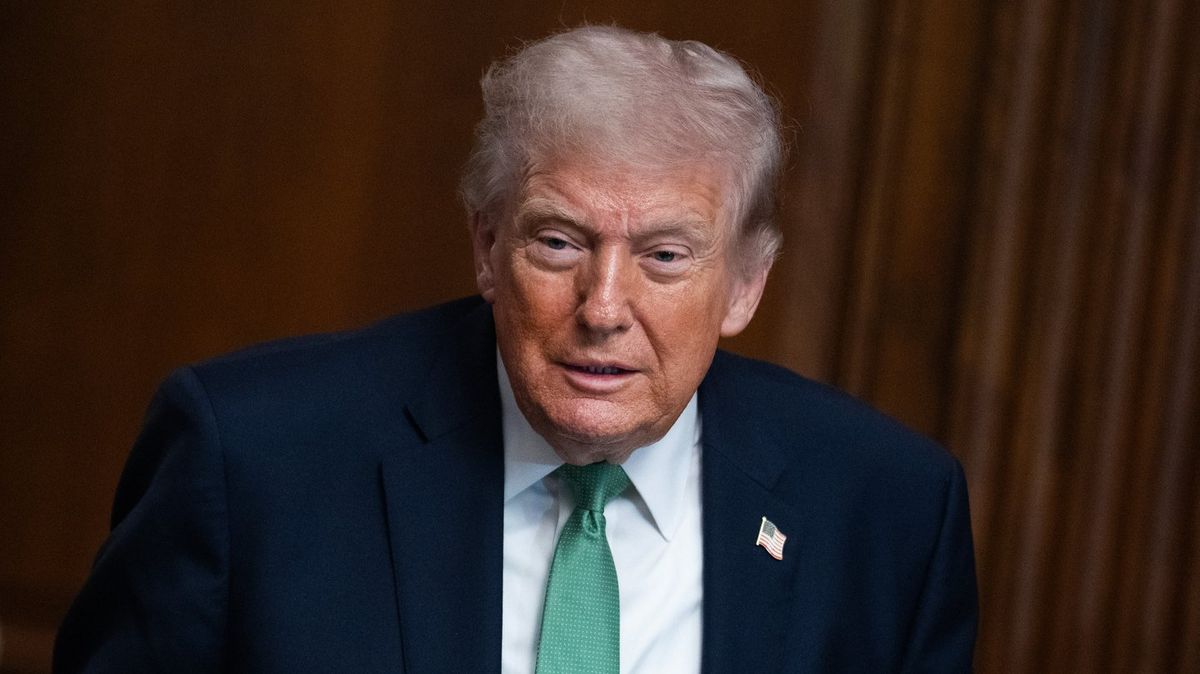
The notice follows President Donald Trump’s 48-hour warning to Iran, as he outlined what he described as the next phase in the ongoing conflict in the region. The alert, published yesterday (March 22), advises US citizens abroad to “exercise increased caution” when traveling.
Although the guidance is particularly relevant to anyone in the Middle East or passing through it, officials emphasized that the advisory is global in scope.
In its update, the department said that “US diplomatic facilities, including outside the Middle East, have been targeted,” adding that groups aligned with Iran could also attempt to strike “other US interests overseas or locations associated with the United States and/or Americans throughout the world.”
It also warned that intermittent closures of airspace could cause significant travel delays, potentially leaving some people stuck abroad or forced to make sudden changes to itineraries.

Americans overseas were urged to keep checking updates from the closest US embassy or consulate. The department also advised anyone preparing to travel internationally to review the latest country-specific travel advisory before departure.
The wider warning comes as the State Department maintains its strongest possible stance on travel to Iran, which remains under a Level 4 advisory.
The official guidance states: “Do not travel to Iran for any reason. US citizens in Iran should leave immediately.”
Authorities say the risks for Americans in Iran include terrorism, unrest, kidnapping, arbitrary arrest, torture, and wrongful detention. The advisory also highlights that the US has no embassy in Iran, limiting the ability to provide consular assistance inside the country.

The department said some US citizens have been held for years on what it describes as fabricated accusations, with reports claiming some were tortured and even given death sentences.
It also cautioned that having a US passport — or even ties to the United States — could be enough to prompt questioning or detention by Iranian officials.
In a further warning, the government advised Americans in Iran to be ready for the possibility of being detained “for an unknown length of time, possibly without clear reason, and without the ability to contact anyone for help”.
US citizens were also encouraged to sign up for the Smart Traveler Enrollment Program (STEP), which allows travelers to receive security updates and helps officials contact them during emergencies.