

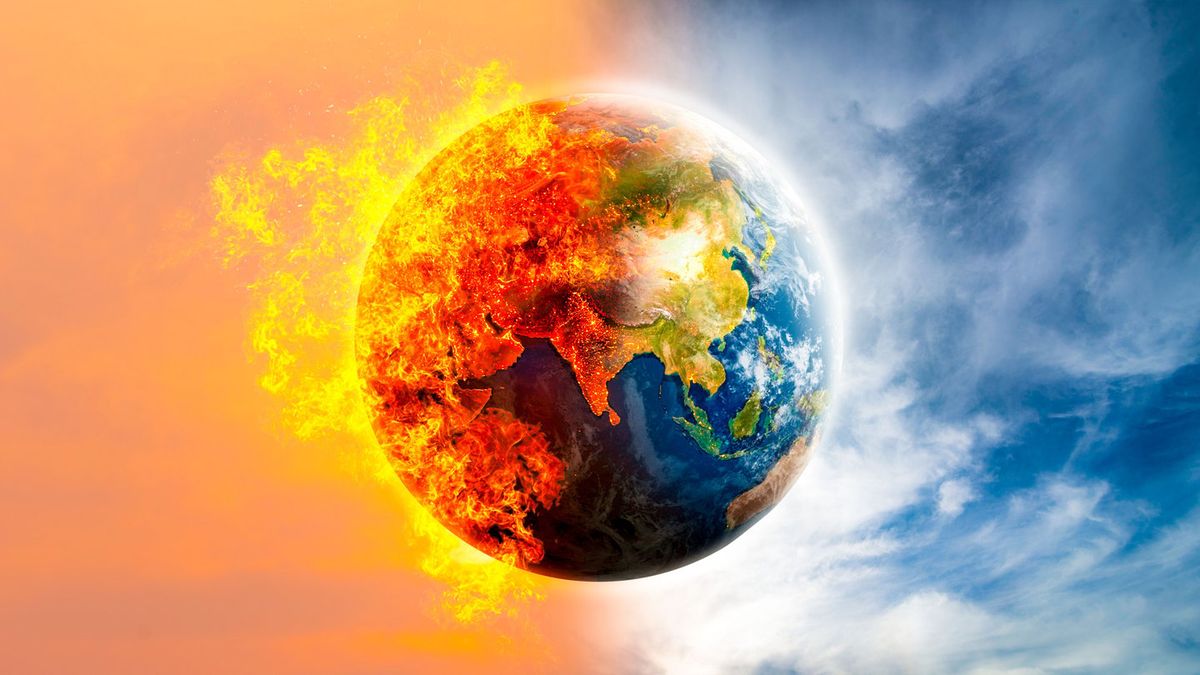
The UN has issued yet another stark climate warning after its weather agency said the planet is now more out of balance than at any time in recorded history.
The World Meteorological Organization (WMO) says Earth is trapping far more heat than it can send back out into space, with this widening gap largely driven by greenhouse gases such as carbon dioxide.
Put simply, the planet is running hotter — and the impacts are already showing up in the oceans, glaciers, sea ice and overall global temperatures.
The WMO reports that 2025 ranked among the three warmest years ever observed, with the average global temperature about 1.43C above pre-industrial levels.
A brief La Niña phase — a natural cycle associated with cooler-than-average waters across parts of the equatorial Pacific — helped prevent 2025 from exceeding 2024, but it didn’t change the long-term direction.
The agency added that the past 11 years were the hottest 11-year stretch since record-keeping began in 1850.
In a stark warning, UN Secretary General António Guterres said: “Planet Earth is being pushed beyond its limits. Every key climate indicator is flashing red.”
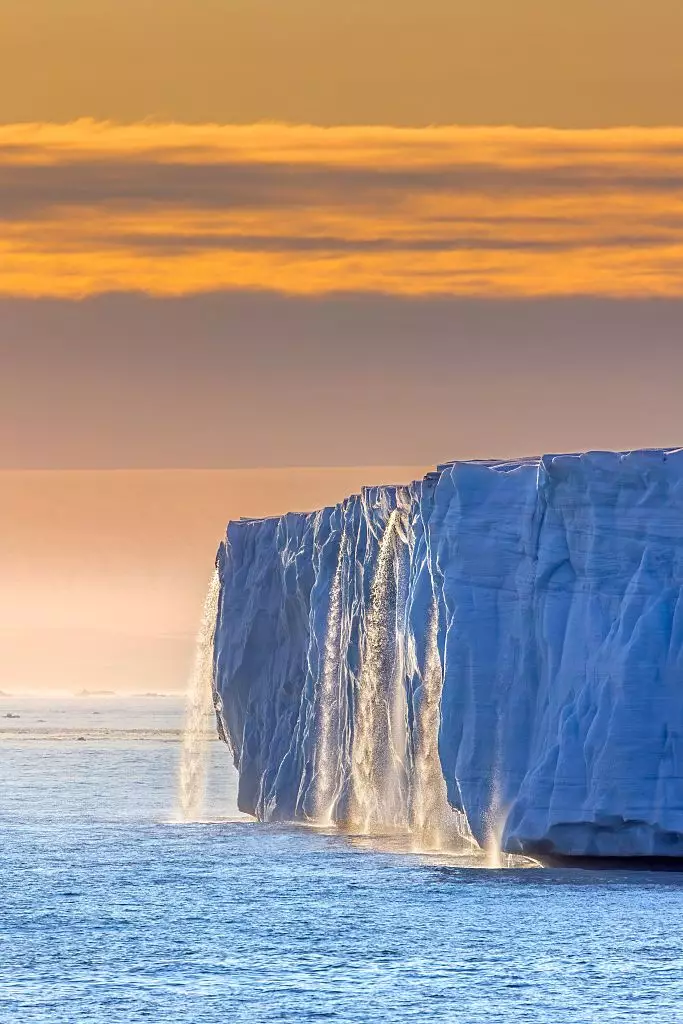
The WMO’s latest assessment supports that warning, finding that the planet’s “energy imbalance” — the difference between solar energy absorbed and energy radiated back into space — reached a record level last year. Researchers say this is among the clearest signals that climate change is intensifying.
Scientists are still investigating why the heat build-up has climbed so quickly in recent years, but they say the underlying cause is not in question: emissions from human activity.
Over 90 percent of the extra trapped heat is going into the oceans, and the upper two kilometers of seawater hit another record-high temperature last year.
That additional ocean heat can fuel more extreme weather, contribute to sea-level rise, and increase stress on marine life and ecosystems.
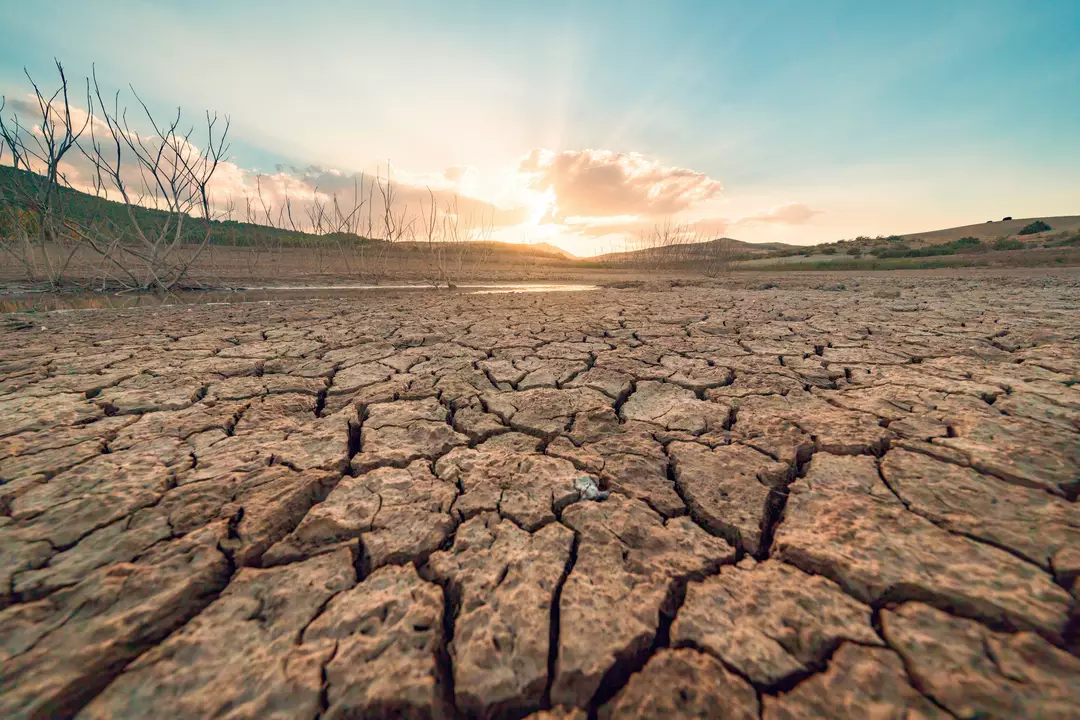
Meanwhile, glaciers went through one of their five worst years on record in 2024/25, and sea ice at both poles remained at or near historic lows for much of 2025.
Prof Celeste Saulo, secretary general of the WMO, added: “Human activities are increasingly disrupting the natural equilibrium and we will live with these consequences for hundreds and thousands of years.”
Forecasters also warn the situation could deteriorate further if El Niño forms later in 2026. If it does, scientists say it could push global temperatures even higher into 2027. As Dr John Kennedy of the WMO put it:
“If we transition to El Niño we will see an increase in global temperature again, and potentially to new records,” added WMO’s Dr John Kennedy.
The new alert comes as President Donald Trump’s approach to climate policy faces renewed scrutiny, following earlier criticism from Gina McCarthy, who described it as ‘shortsighted, embarrassing and foolish’, after withdrew the US from the UN Framework Convention on Climate Change (UNFCCC) treaty.