

Warning: This article contains discussion of suicide which some readers may find distressing.
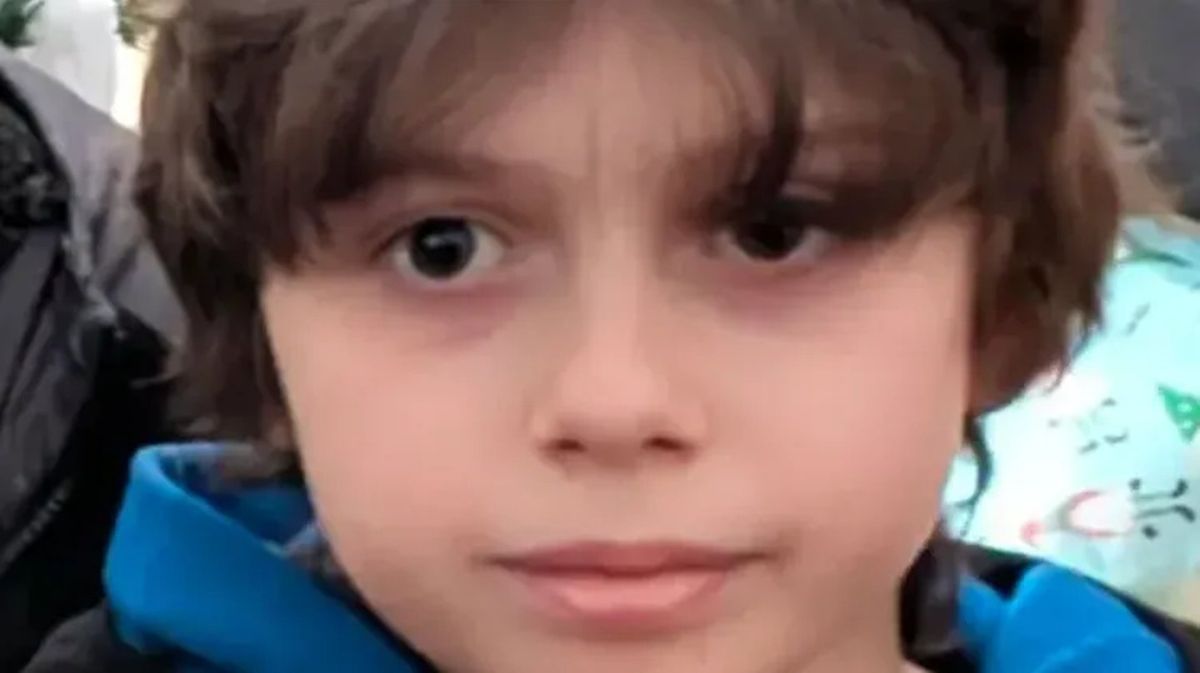
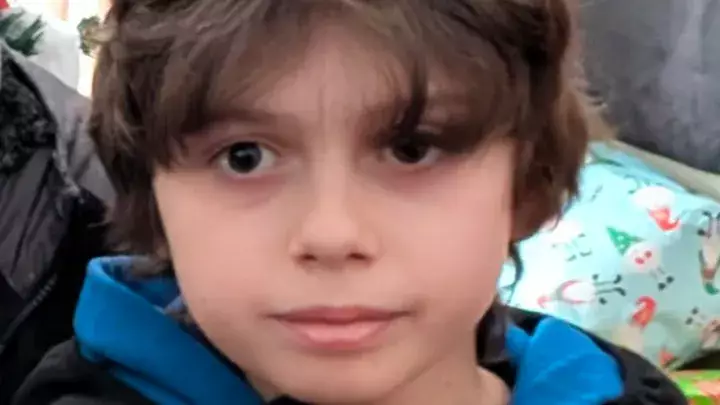
The relatives of a 13-year-old boy in New Hampshire who died by suicide shortly after turning 13 say their repeated warnings about bullying and his worsening mental health were not adequately addressed.
Josiah Michael Dwinell died on Thursday, March 12, in Alstead, New Hampshire, only eight days after his birthday.
According to his family, Josiah had been enduring ongoing bullying both at school and while riding the bus in the lead-up to his death.
Shaena Stebbins, who said she is Josiah’s aunt, set up a GoFundMe to help cover funeral and medical costs and described what she said the teen had been going through.
In her online post, Shaena wrote that Josiah’s biological mother died more than five years ago and said he was later adopted by his “Mimi,” who she said repeatedly advocated for him while he struggled with bullying.

“He was being bullied at school and on the bus not one person outside his home tried to help him,” Shaena claimed.
“He went to the hospital on numerous occasions where his Mimi sat by his side holding him trying to get him the help he was seeking and his mental health was overlooked, and everyone outside his home said he was seeking attention.”
She added: “My nephew decided after a bus ride home that he couldn’t handle the bullying anymore.”
She also remembered Josiah as a beloved member of the family and community, describing him as someone who had a meaningful impact on those around him.
“Josiah brought light and joy to our lives, and his absence leaves a hole in our hearts that can never be filled,” she wrote.
“We are heartbroken and still trying to process this tragedy, but we want to honor his memory and give him the farewell he deserves.”
After Josiah’s death, Susan Stearns, executive director of the National Alliance on Mental Illness–New Hampshire, emphasized the value of speaking with children openly and thoughtfully when they show signs of emotional distress.
“You want to be having conversations, but you don’t want to assume that a middle schooler, for example, has more knowledge than they do,” she said.
“So you want to be finding out what it is they know, what it is they’re thinking about, and being a calm presence acknowledging grief.”
Adding: “If you are concerned that someone might be considering suicide, then you want to ask that directly. It’s a myth that you’re going to put an idea into someone’s head, and the reality is that is the best way to engage someone in that conversation.”
If you or someone you know needs mental health assistance right now, call National Suicide Prevention Helpline on 1-800-273-TALK (8255). The Helpline is a free, confidential crisis hotline that is available to everyone 24 hours a day, seven days a week.