

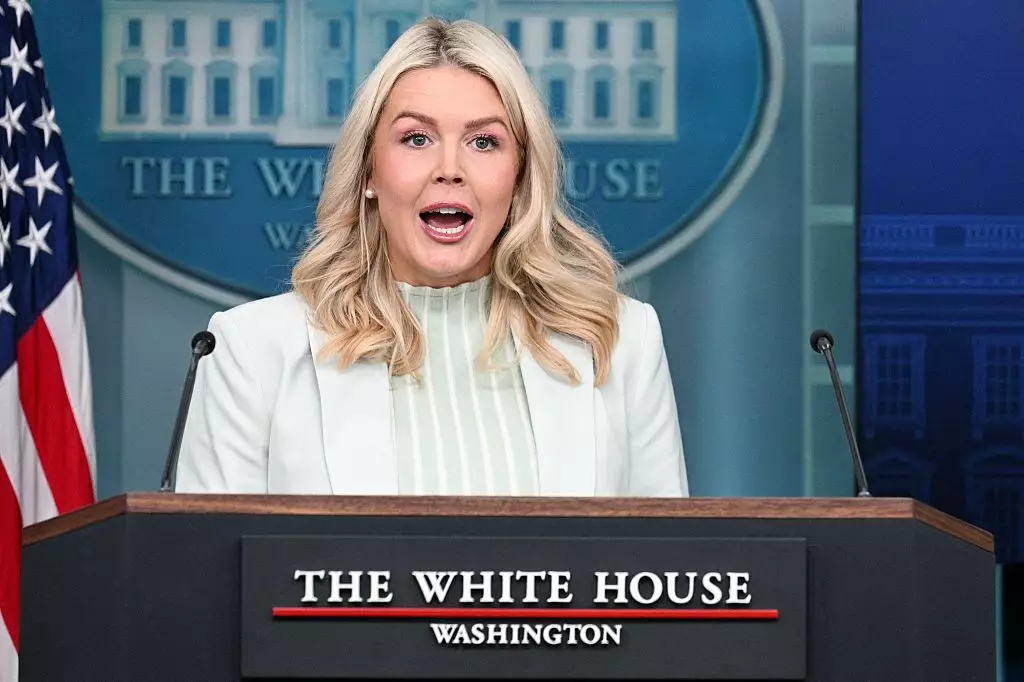
White House Press Secretary Karoline Leavitt has urged ‘caution’ around reports of Trump’s alleged 15-point plan for a ceasefire in Iran as she claimed there are aspects of the coverage that are ‘not entirely factual’.
Leavitt’s comments came after the outlet published details of what it described as a proposed framework, citing two officials who had been briefed on the diplomatic efforts and who spoke on condition of anonymity.
The Times report outlined a number of alleged conditions, including that Iran ‘dismantle existing nuclear capabilities’ and ‘hand its stockpile of enriched uranium to the International Atomic Energy Agency’, among other measures.
As the story spread, coverage differed over how Tehran viewed the proposal. The Wall Street Journal reported that Iran had its own expectations—such as the closure of all US military bases in the Gulf region—while other reporting indicated Iranian officials denied they were taking part in negotiations at all.
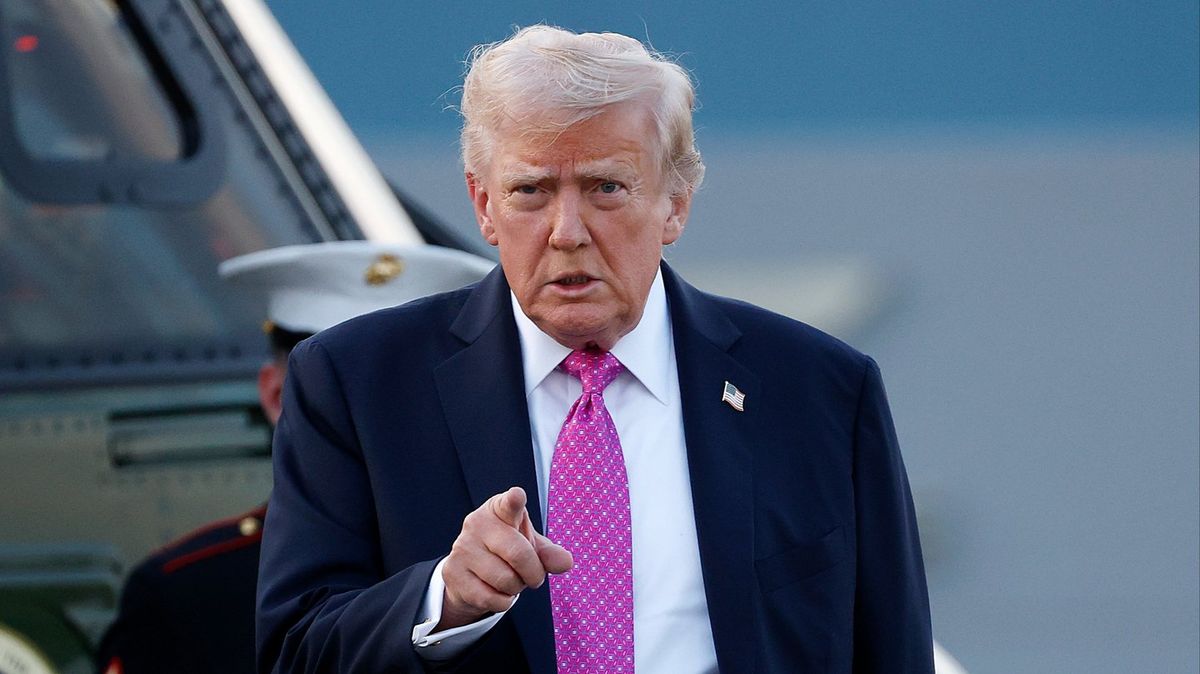
Trump, meanwhile, suggested this week that Iran was already aligned with at least one central demand from Washington. Speaking on Tuesday (March 24), he said: “They will never have a nuclear weapon. They’ve agreed to that.”
But in a press briefing on Wednesday, Leavitt pushed back on firm conclusions being drawn from anonymous-source reporting, stressing that the administration had not validated the plan as presented publicly.
She said: “I saw a 15-point plan that was floated in the media. I would caution reporters in this room from reporting about speculative points or speculative plans from anonymous sources. The White House never confirmed that full plan. There are elements of truth to it, but some of the stories I read were not entirely factual.”
Trump had first referenced the idea on Monday as he departed for Tennessee, indicating there were multiple areas to negotiate while also pointing to a specific number of items under discussion, saying there were ‘many points of agreement’ before adding: “15 points, 15 points.”
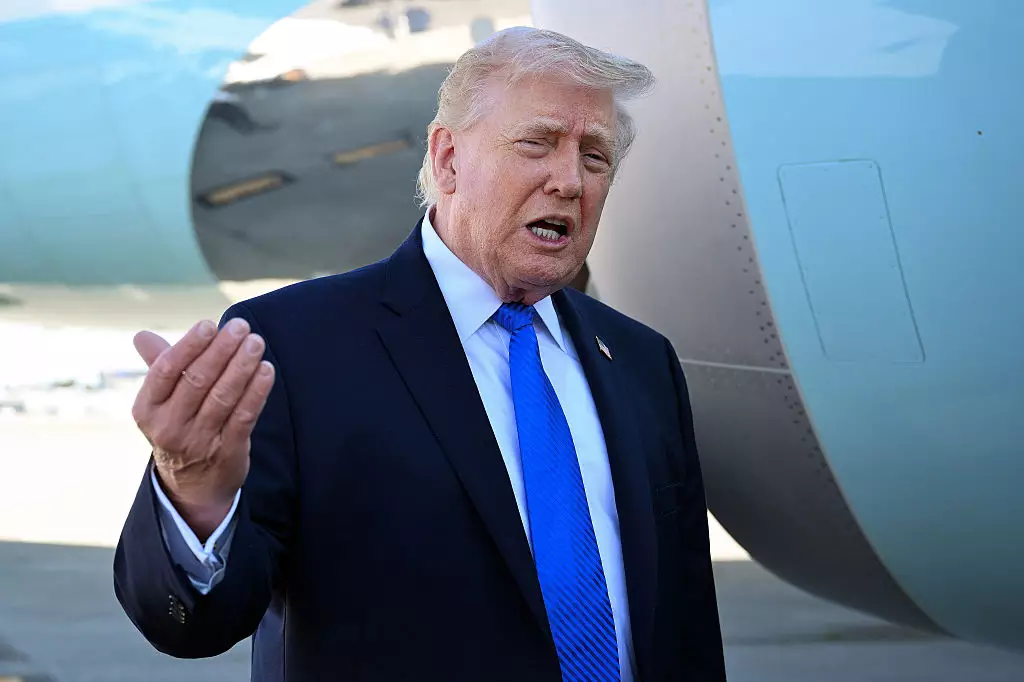
In further remarks, the president emphasized preventing Iran from obtaining nuclear weapons as his primary focus: “They’re not going to have a nuclear weapon. That’s number one. That’s number one, two and three,” Trump continued.
The outlet also reported that an Iranian official described Tehran’s initial reaction as unfavorable, though the proposal was still under review.
Leavitt added that the administration believes Iran faces serious consequences if it rejects what the White House sees as the reality of the situation, warning that the country would be ‘hit harder than they have ever been hit before’.
“President Trump does not bluff and he is prepared to unleash hell. Iran should not miscalculate again,” she said.