

Researchers say they may have identified a surprising consequence of frequent self-pleasure — and the results could catch a lot of people off guard.
Advice about sperm seems to be everywhere. Some people swear certain foods can change how it tastes, others focus on the “perfect” timing for sex, and there’s constant discussion about what actually helps protect sperm health. Mixed into all of that is an ongoing argument: how often should someone masturbate, and is there such a thing as too much?
A widely held idea is that men trying to conceive should avoid ejaculation for a few days to “build up” their sperm count. While brief abstinence can raise the number of sperm present, a higher count doesn’t automatically mean the sperm are in better shape — and that distinction is where newer research is raising questions.

A recent University of Oxford review indicates that sperm left in storage for longer stretches may start to worsen over time. Looking across 115 studies involving close to 55,000 men, the analysis found that longer intervals between ejaculations were associated with poorer overall sperm health.
The researchers assessed major markers such as motility (how effectively sperm swim) and viability (how many remain alive). In general, both measures dropped as abstinence periods grew longer, while DNA damage showed an upward trend.
Scientists suggested a couple of possible reasons. One involves oxidative stress — sometimes described as biological ‘rust’ — which can accumulate and harm cells over time. Another potential factor is energy loss: sperm are metabolically active, and prolonged storage may reduce the energy required for them to function properly.
Even so, many current recommendations still advise abstaining for two to seven days before providing a semen sample, including for fertility testing or IVF. The newer evidence, however, suggests that in some situations shorter abstinence windows could be linked with better-quality sperm.
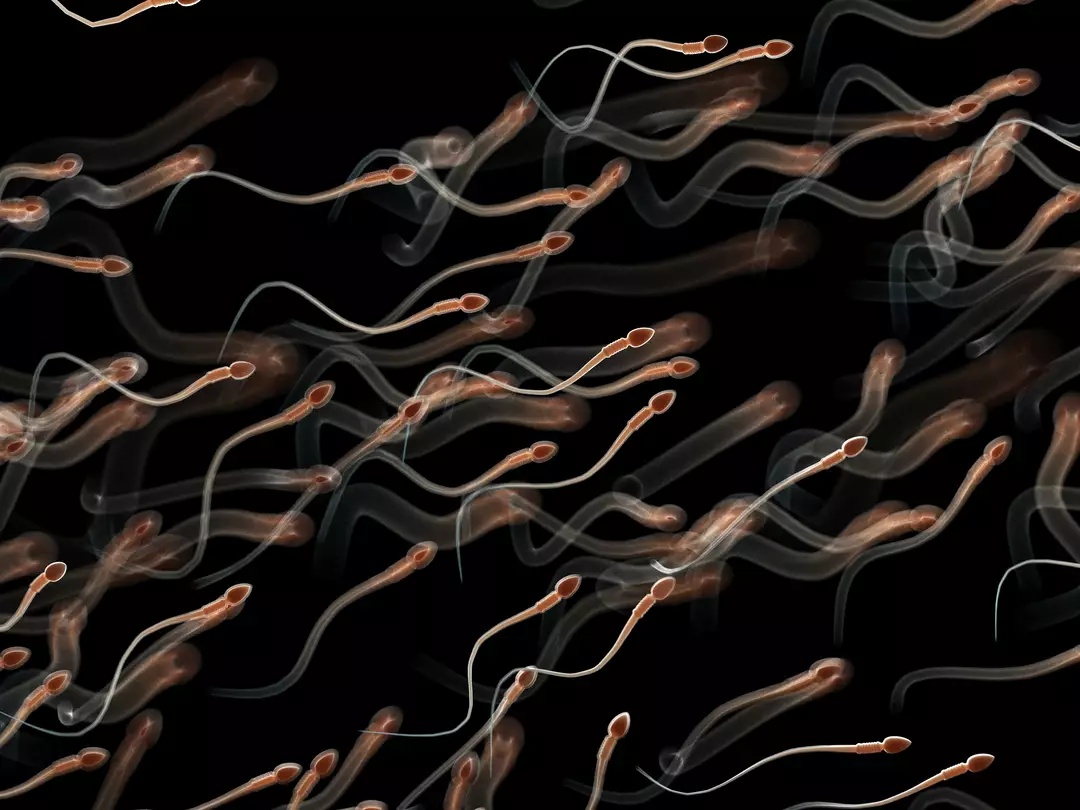
So what does this mean outside the IVF context? The idea is that more frequent ejaculation — including via masturbation — may help ‘refresh’ the sperm supply by clearing older cells that may be more likely to be damaged. Some have even argued that sperm, in effect, have an ‘expiration date.’
The findings arrive amid increased attention on male fertility, with researchers and clinicians looking more closely at the variables that may shape reproductive outcomes.
That broader focus includes common, treatable causes of male infertility. Writing for the outlet, a doctor noted that one of the most frequent issues is a varicocele — swollen veins in the scrotum.
A varicocele can interfere with sperm production and reduce sperm movement, both of which can directly affect fertility.