

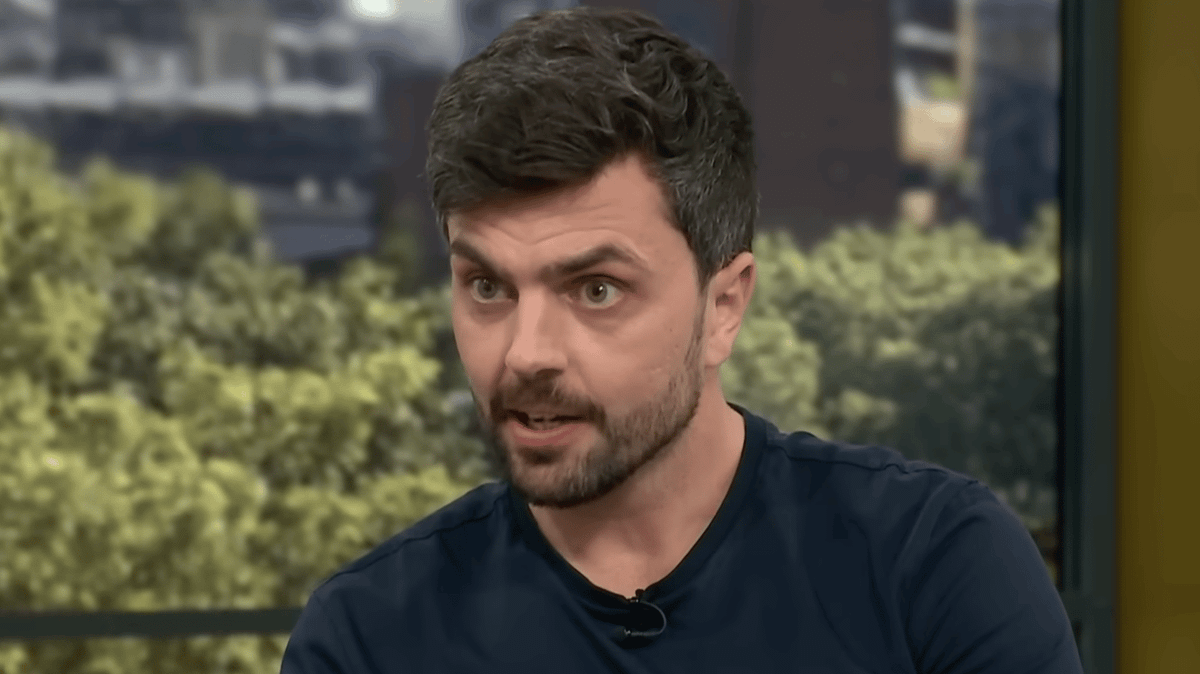
A man has shared how he became pulled into the “manosphere” — and what helped him step away from it.
The term “manosphere” is used to describe an online ecosystem of creators and communities that promote anti-feminist and misogynistic messages, often targeting men and boys with their views on women, dating, and relationships.
It’s gained renewed attention lately after Louis Theroux’s Netflix documentary Inside the Manosphere, where the journalist explores the influential — and often troubling — corners of this social media world.
The conversation has also been amplified by the Netflix drama Adolescence, which follows a teenage boy who murders a female classmate after being radicalized online.
Will Adolphy, a psychotherapist, says he once found himself drawn into manosphere content. He now works with other men and boys to help them leave it behind.
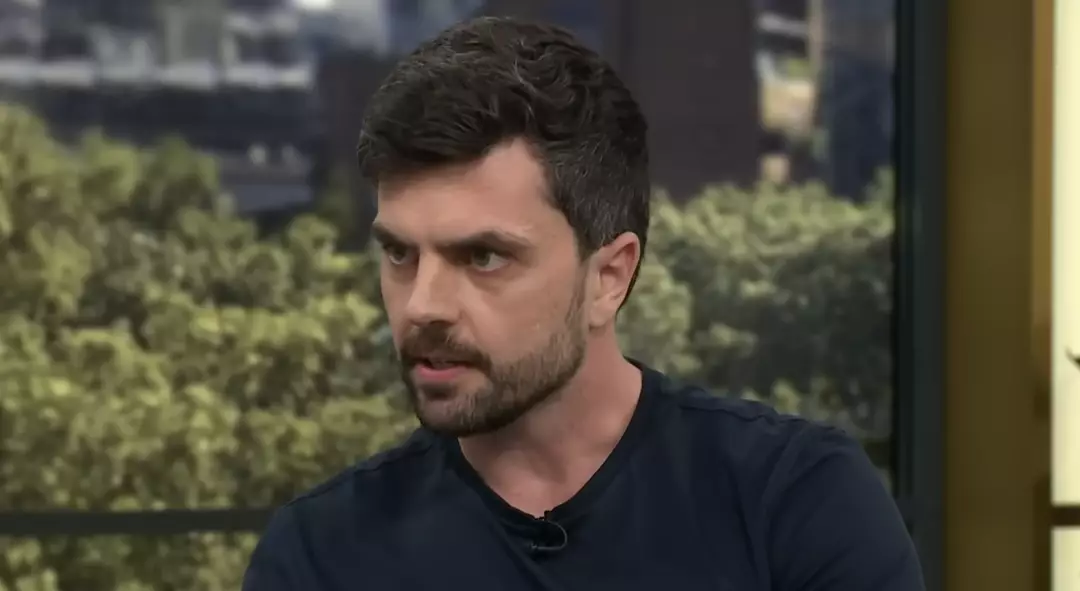
Speaking on UK programme This Morning, Will explained that he encountered manosphere ideas during a particularly unstable period of his life, when he was struggling with day-to-day panic attacks.
“I was feeling like I wasn’t matching up to this idea of what a successful man is,” he said. “I was living in a flat trying to make some money with a few friends and having these experiences of panic and anxiety and depression.
“So my mental health was in a very fragile state, and I was also experiencing a lot of confusion about what it meant to be a man.
“There was this kind of pressure to not be toxic that I was feeling, and this pressure still be a quote unquote ‘real man’, you know a successful man.
“It didn’t feel like there were many spaces to validate that confusion that I was feeling.”
He said the manosphere can present itself as a place offering clarity — “spaces online that are offering boys and men answers to the questions they have today about being in the world” — which is why it appealed to him when he was feeling low and uncertain.
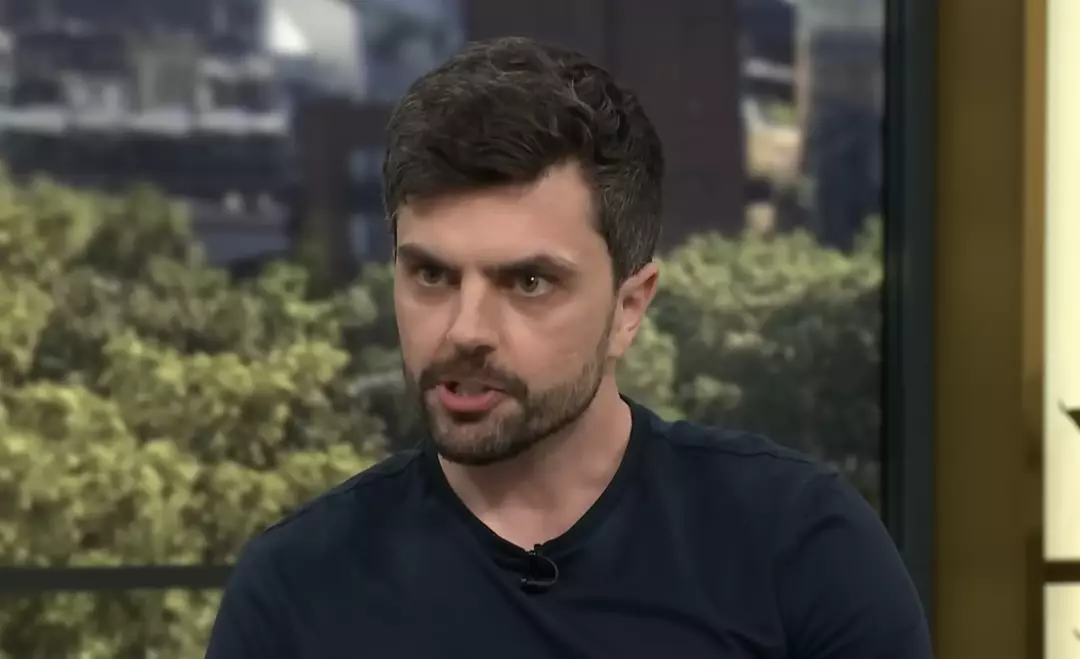
Will added that while the communities and figures within that space aren’t all identical, he believes there are common threads running through much of the content.
“What often ties all these varying perspectives and different ideologies together is a sense of anti-wokeness, anti-feminist, and misogyny at times,” he explained.
“It kind of gets seeped in, what can feel like very useful life advice.”
Over time, Will said he was able to find support and distance himself from those influences — and he now focuses on helping others who are in a similar position.
“My suffering overwhelmed my fear of change, and I asked for help,” he said. “And it turns out that there was a lot more help available than I actually realized.”
He later joined a therapy group, which he credits with shifting how he saw himself and his situation.
“But I had to get to that point to get through this fear of appearing weak I didn’t even know I had. I didn’t want to be a burden,” he said.
Will also shared guidance for parents concerned their children may be heading down the same path, suggesting the most important thing can be keeping connection open until they’re ready to reach out.
He said: “All we can do sometimes is build a bridge so that when our boys get to that point then at least they know that help is available.”