


If your dog has started sneezing more lately, springtime allergies could be behind it. A vet has shared what may be triggering the symptoms and what owners can do to help.
As spring settles in across parts of the US, brighter days often arrive with a familiar downside: a surge in airborne pollen.
When this was written, tree pollen counts were climbing nationwide, with Kleenex reporting high levels in New York.

Hay fever impacts around one in five adults, and it can come with issues like a runny nose, headaches, and an itchy throat.
What many people don’t realise is that dogs can also react to seasonal allergens. Here’s what to watch for and how symptoms are commonly managed.
Dogs, like humans, can develop allergic responses when seasonal pollen levels rise.
Early in the season (often March through April), tree pollen can be a major irritant for many dogs. Later, from around May to July, grass pollen is frequently the culprit.
Toward the end of summer, flowering weeds can be a common trigger, leading to sneezing and general discomfort.
So what does “hay fever” look like in dogs?
Pooch & Mutt’s resident vet, Dr Linda Simon, says there are several signs owners should keep an eye out for.
“While we don’t use the term ‘hay fever’ in dogs as such, we do see a lot of environmental allergies to things like pollen and grass,” Dr Simon explains. “Common symptoms of this atopic disease that we see include: itchy skin and rashes – particularly affecting the paws and belly. This can present as rubbing, scratching, licking and chewing.
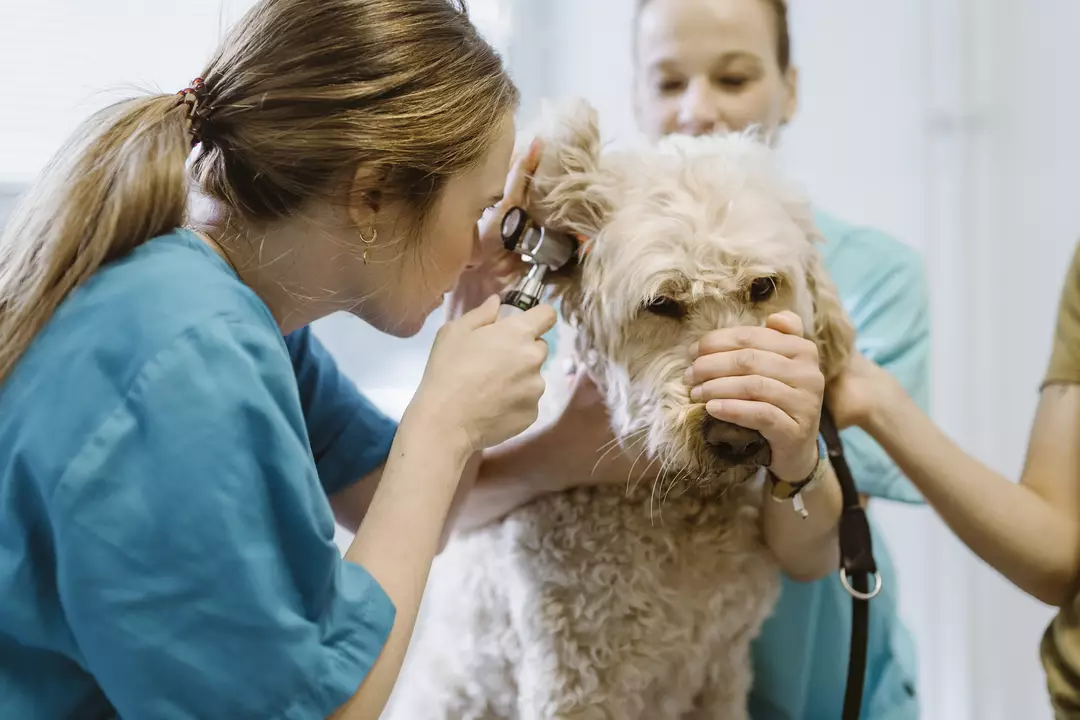
Secondary infections include ear infections, runny eyes and nose, sneezing, and discoloured fur particularly over the paws.”
Dr Simon adds that one way to spot a potential environmental trigger is to pay attention to how your dog behaves after walks in certain areas, such as specific fields or grassy routes.
If anything seems unusual or persistent, she advises arranging a vet visit to make sure there isn’t another underlying cause.
“We may run a blood test or perform intradermal skin testing to determine what the dog reacts to,” Dr Simon explains. “This can be followed up with immunotherapy, which is a course of injections to reduce the dog’s reactivity to the allergens around them.”
Treatment options vary depending on how intense the symptoms are and whether secondary problems (like ear or skin infections) have developed.
“Many dogs benefit from anti-itch medicine, such as corticosteroids or JAK inhibitors,” Dr Simon says. “When we can reduce the itching, this protects the skin and prevents infections.
“For some, antihistamines may be used. Some common examples include Chlorphenamine (Piriton) and Cetirizine (Zyrtec). However, owners must consult with their vet before trialling these, as they may not be the appropriate therapy for every dog.”
In some cases, vets may also suggest medicated shampoos or washes designed to lower yeast and bacteria on the skin, which can help reduce flare-ups and discomfort.
See our top picks below.
$41.98
$10.32
$15.99
$14.99
$31.21