

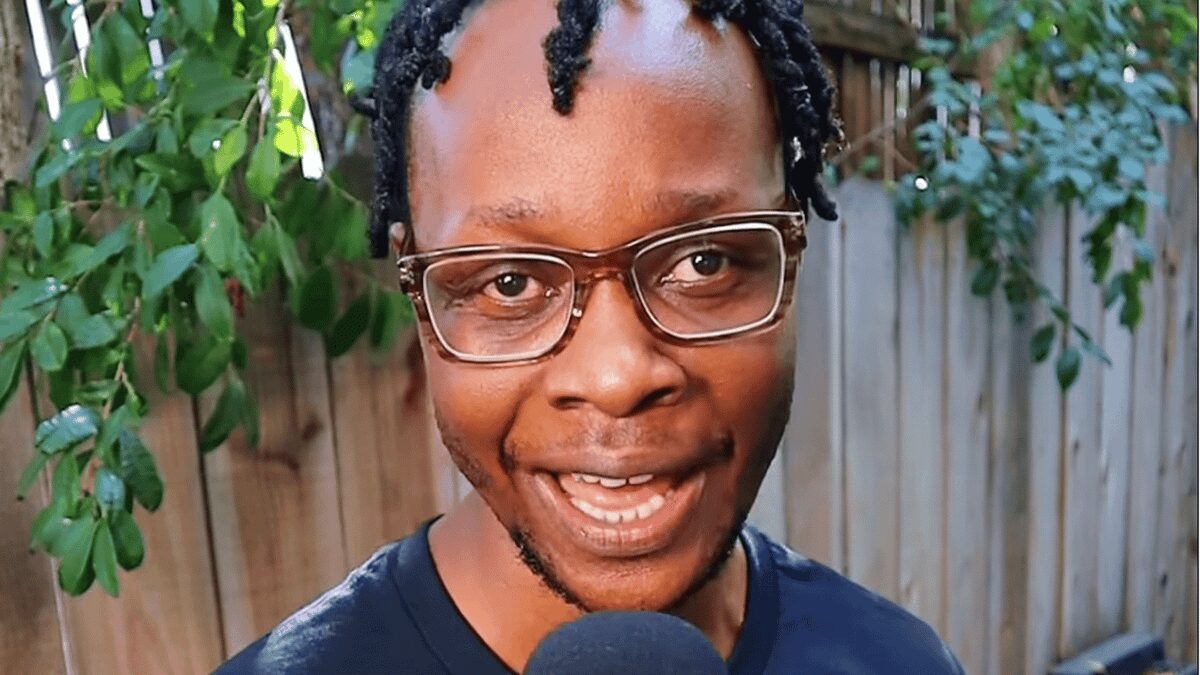
A comedian is being sued for jokingly ‘revealing’ what the lyrics to ‘The Circle of Life’ supposedly translates to — but what do the words actually mean?
The Lion King is widely considered one of Disney’s most iconic movies, and it opens with the unforgettable moment baby Simba is presented to the animals as ‘The Circle of Life’ plays.
The opening chant is performed in Zulu, one of South Africa’s official languages.
The music for the track was created by composer Lebohang Morake, better known professionally as Lebo M, who also contributed vocals.
Because many viewers don’t know exactly what the Zulu lyrics mean, comedian Learnmore Jonasi offered a humorous “translation” while speaking on the One54 Africa podcast.
The comic said that part of song translated in English is: “Look, there’s a lion. Oh my god.”
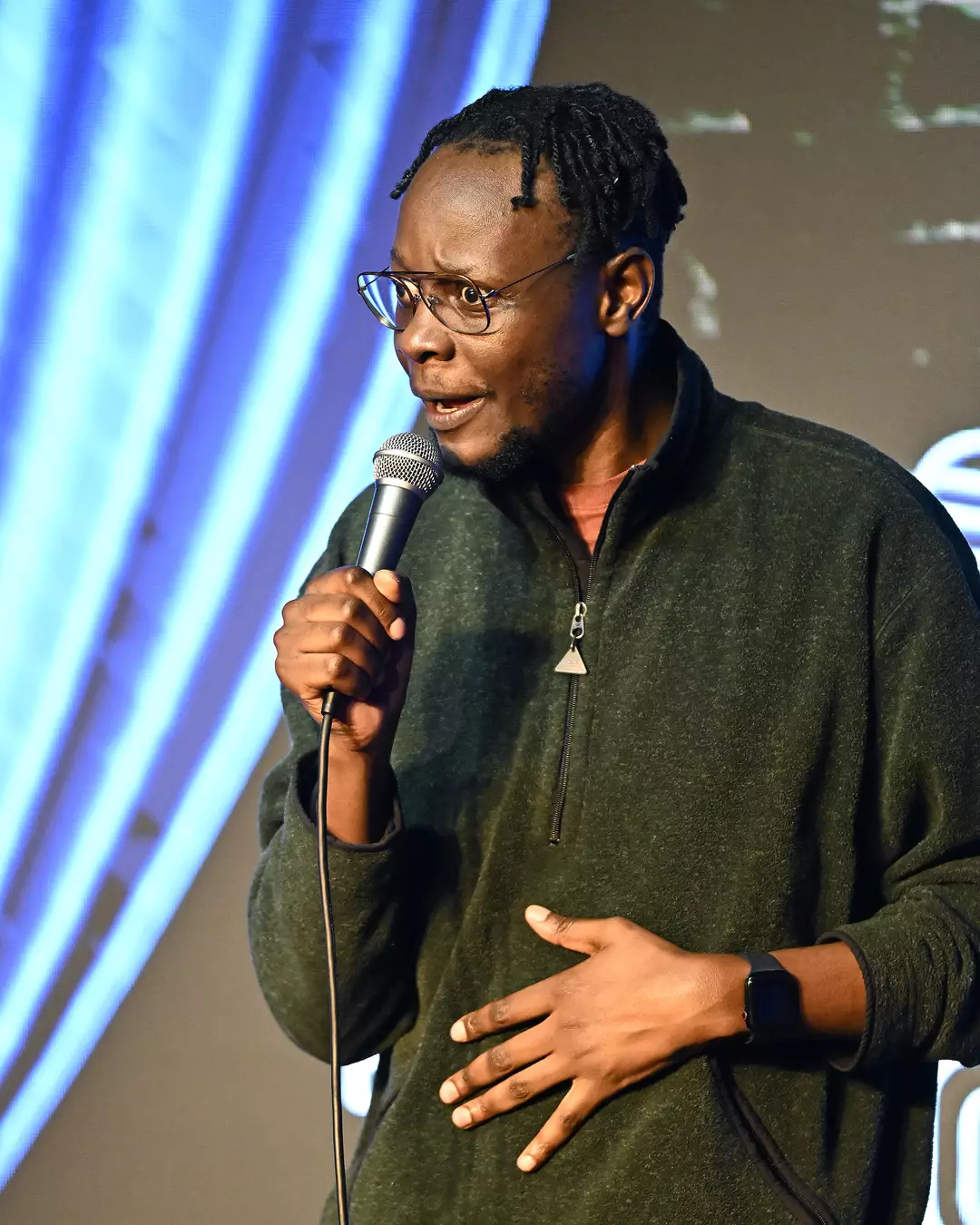
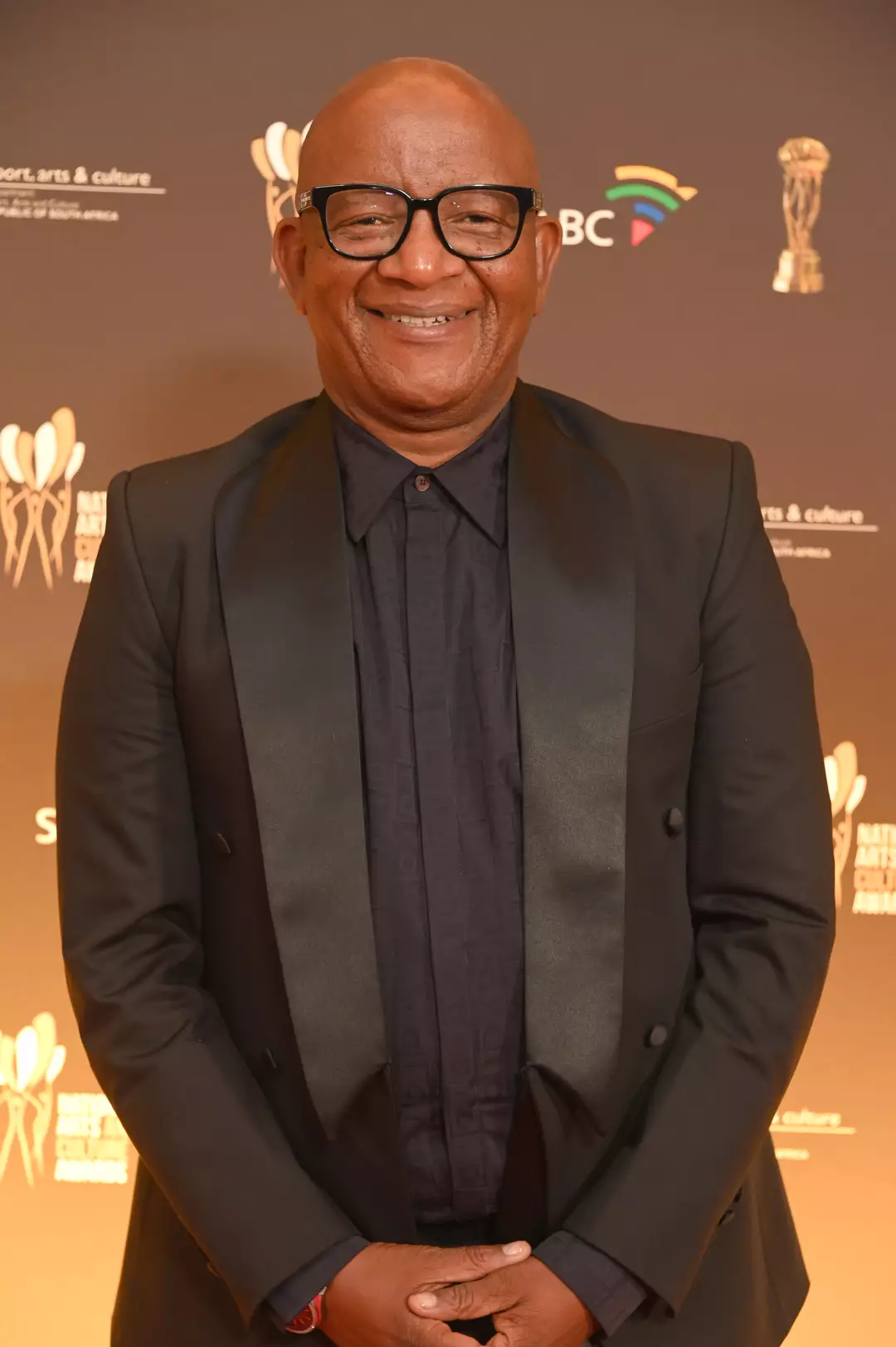
Morake has since filed a lawsuit against Jonasi seeking $27,000,000, arguing that the joke crossed a line.
According to the claim, the comedian is accused of mocking ‘the chant’s cultural significance with exaggerated imitations’.
So if Jonasi’s version isn’t the real meaning, what do the words actually translate to?
The answer depends on which interpretation you follow, as multiple translations have circulated over the years.
U.S. News reports that Disney’s official translation of the opening phrase ‘Nants’ingonyama bagithi Baba’ is ‘All hail the king, we all bow in the presence of the king’.
The chant continues: “Hay! Baba, sizongqoba.” Per Morake, the composer, this means ‘Through you we will emerge victoriously’.
However, a separate translation shown on Genius presents the wording differently.
The part of the chant in Zulu reads:
“Nants ingonyama bagithi Baba
“Sithi uhm ingonyama
“Nants ingonyama bagithi baba
“Sithi uhhmm ingonyama
“Ingonyama
“Siyo Nqoba
“Ingonyama
“Ingonyama nengw’ enamabala.”
This part in English translates to be: “There goes the lion, father. Oh, yes, the lion (Yeah, the lion). There goes the lion, father. Oh, yes, the lion. The lion. We will win. The lion.”
It’s then followed by a repeated line rendered as: “A lion and a leopard come to this open place.”
For anyone confused by that phrasing, you’re not alone.
Classic FM has also shared a translation that broadly aligns with the Genius version, though the precise wording differs.
In a piece originally published in 2019, well before the current dispute, it described the chant as meaning: “Here comes a lion, father, Oh yes it’s a lion.
“Here comes a lion, father, Oh yes it’s a lion. A lion we’re going to conquer, a lion, a lion and a leopard come to this open place.”
Whatever the exact translation, the track’s opening remains one of Disney’s most recognisable musical moments.