

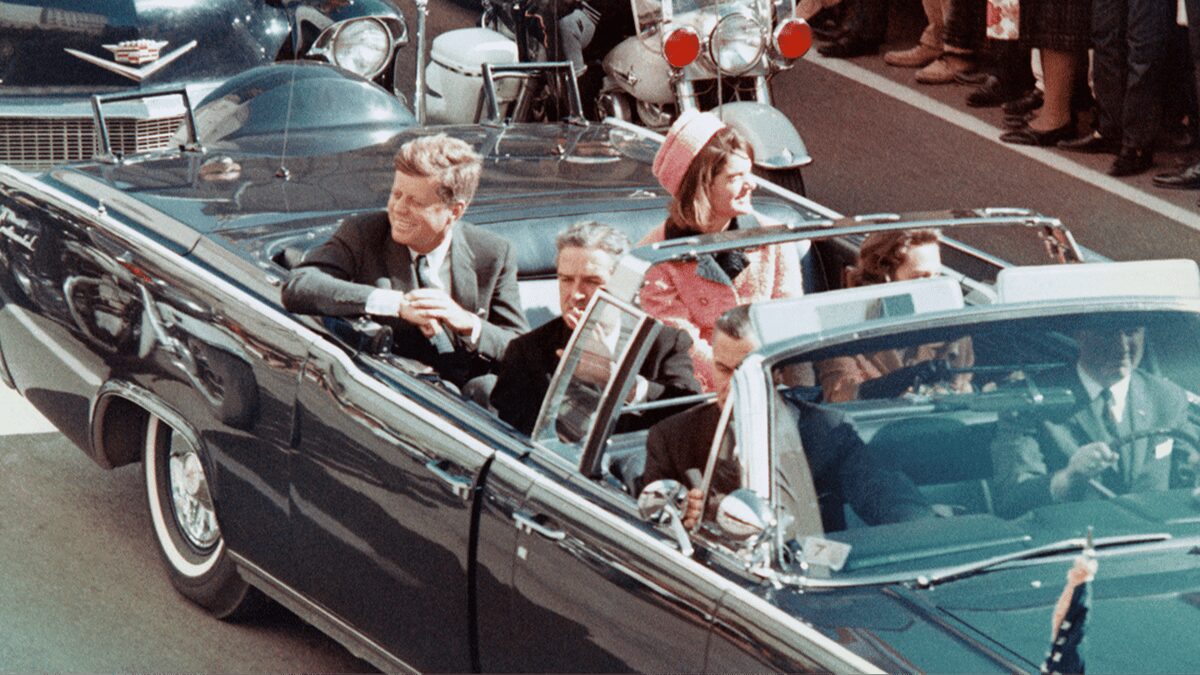
President John F. Kennedy’s assassination reshaped the United States, puncturing the confidence of the post‑war era and ushering in decades of political mistrust, competing narratives, and enduring conspiracy claims.
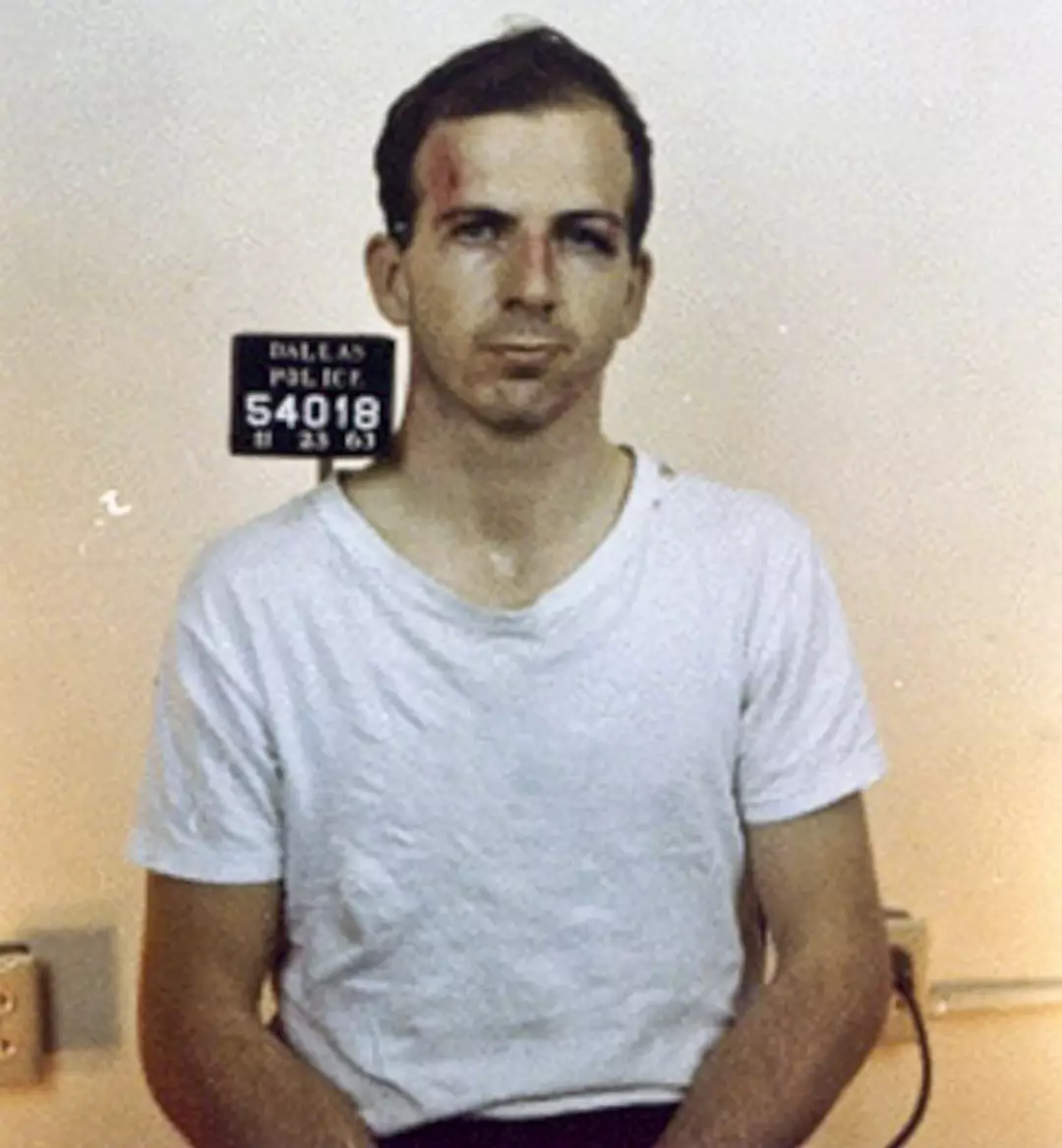
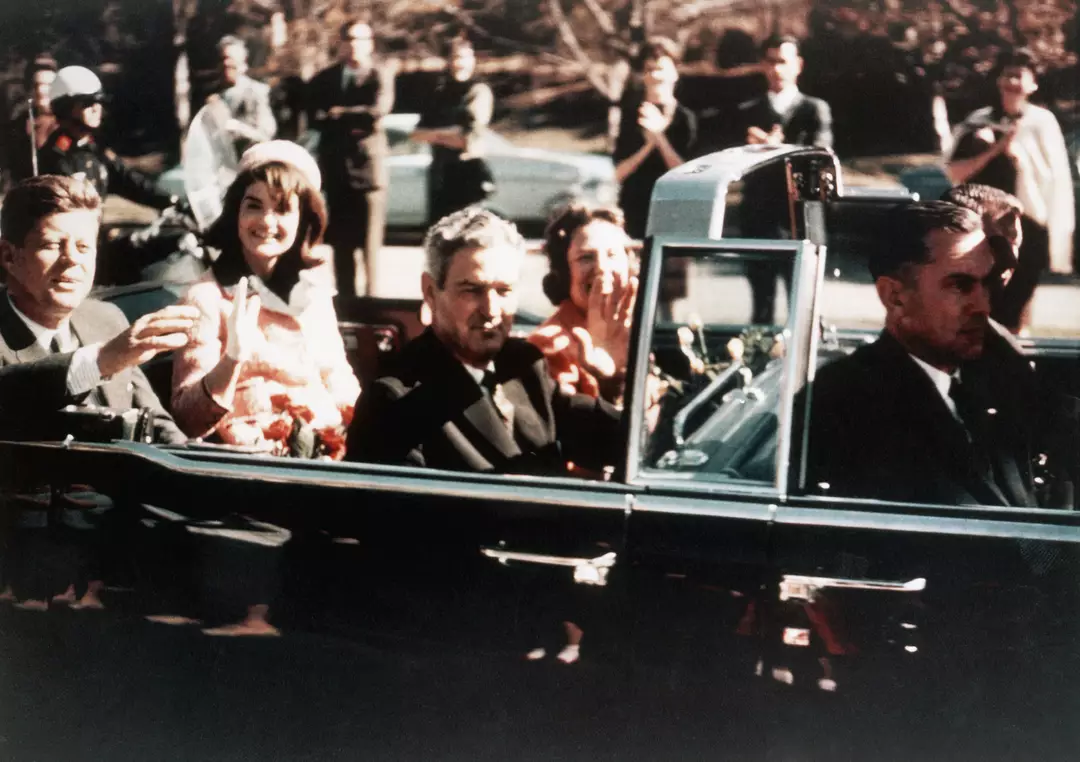
The established account maintains that Lee Harvey Oswald fired three shots from the Texas School Book Depository, roughly 265 feet from the presidential motorcade as it moved through Dallas with Jackie Kennedy, Texas Governor John Connally, and Nellie Connally.
Yet in the years since November 1963—and through multiple inquiries into the fourth killing of a sitting US president—many have challenged that version of events. Critics have pointed to eyewitness recollections and later acoustic analysis as indications that the attack may not have unfolded as the official narrative suggests.
Now, newly surfaced material attributed to Kennedy’s longtime personal secretary portrays the killing not as a lone, unlikely act by a former Marine, but as a coordinated act with political motives allegedly rooted inside the government.
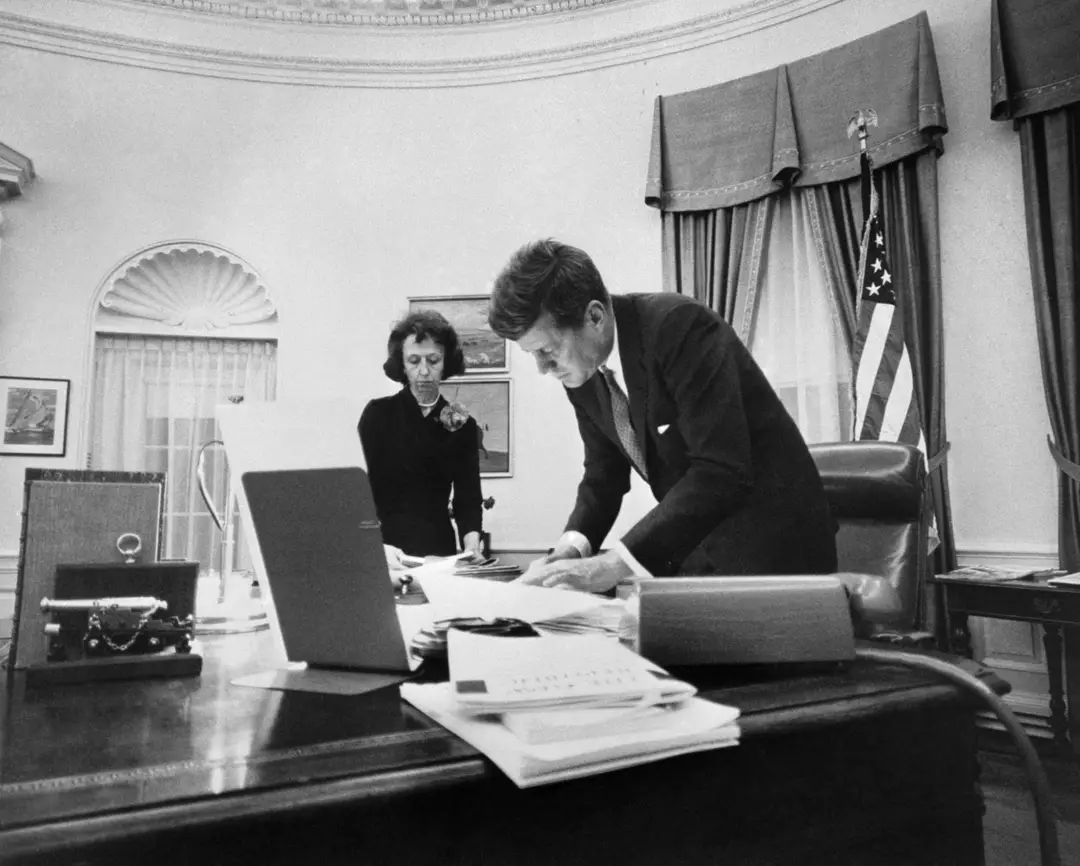
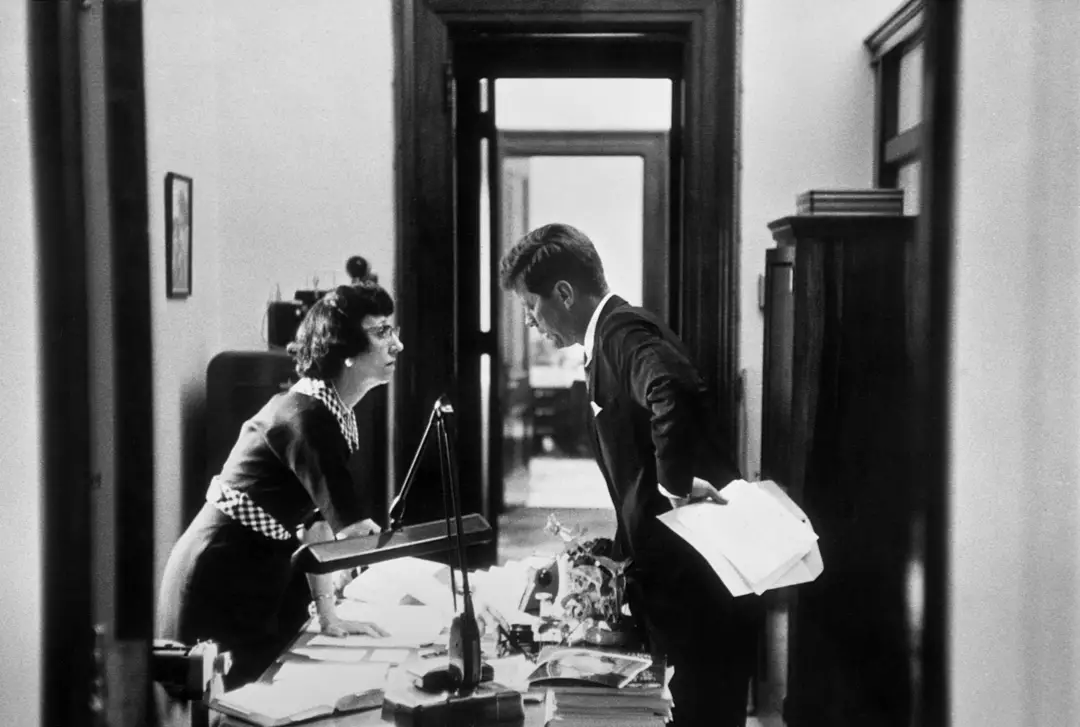
The account comes from Evelyn Lincoln, often described as the White House “gatekeeper” during Kennedy’s years in national office. A trusted aide and confidante, she was riding in the third vehicle in the motorcade when the shots were fired.
Her previously unseen writing was located by Jefferson Morley, the editor of JFK Facts and a longtime assassination researcher. Speaking to the outlet, Morley argued that Lincoln’s proximity to Kennedy makes her perspective particularly significant.
Morley said: “She was a very loyal person. She had turned her mind and her work to him, she served him. And so, yes, I think this thinking does reflect how he would think about this event himself.
“She wrote this at the end of her life and never published it, it’s not quite clear why, so I think it’s valuable testimony from somebody who was very close to JFK.'”
Lincoln died in 1995 aged 85 without publicly setting out her conclusions about the assassination. However, Morley reports finding an 11‑page addendum in the JFK Library that was attached to an unpublished memoir.
In that addendum, Lincoln suggests Kennedy was the target of a sophisticated conspiracy emanating from within the federal apparatus itself—an allegation that echoes conclusions drawn by some later official reviews.
Among them was the 1976 House Select Committee on Assassinations, which examined the murders of JFK, Martin Luther King Jr., and Robert F. Kennedy, and concluded the president “was probably assassinated as a result of a conspiracy,”
Lincoln said in her unpublished account: “From the catbird seat that I had during my 12 years as John F. Kennedy’s Personal Secretary I would have to say that, in my opinion, President Kennedy’s death in Dallas, Texas, was a deliberate professional political murder, planned by a group in government who wanted him removed from office.”
Though Lincoln held no public office, she occupied a uniquely intimate role in Kennedy’s daily life. As the person managing access to the president, she wrote that she needed constant awareness of where he was and how to reach him.
“It, therefore, became very important that I know his whereabouts. I always had the telephone number where he could be reached, and he had a telephone number in case he wanted to call me,” she wrote.
Lincoln’s closeness to Kennedy also meant she was aware of political calculations inside the administration, including, she wrote elsewhere, that he had considered replacing Vice President Lyndon B. Johnson on the ticket—material she included in one of her two published memoirs. Notably, those published books did not include her explicit view of who was behind the assassination.
The newly identified 11‑page addendum, however, was appended to a third, unpublished memoir titled I Was There. In it, Lincoln indicated she intended to dig deeply into the assassination and to lay out her best understanding of who was responsible.
She wrote that she would “try to answer, to the best of my knowledge” the question of who killed JFK, while reviewing the range of groups that have been blamed over the years—among them the Ku Klux Klan, far‑right extremists, the South Vietnamese government, organized crime, and FBI director J. Edgar Hoover.
While she acknowledged that, in her view, the broader climate made an attempt on Kennedy plausible, she ultimately focused on what she portrayed as the intersection of organized crime and intelligence operations.
She wrote: “The underlying current that ran through all the Mob activity was their inability to regain their massive operations in Cuba after Castro had overthrown the Batista regime.
“The Mob and extreme right-wing elements, with the assistance of the CIA, together with the Cuban exiles were constantly conspiring to overthrow Castro.”
Lincoln linked that hostility to the fallout from the failed Bay of Pigs invasion in 1961, describing a shared rage among anti‑Castro actors. In her telling, organized crime had financial interests tied to pre‑Castro Cuba, while elements within the national security sphere were determined to remove a communist government close to US shores.
Lincoln explained in her memoir: “He antagonized the Cuban exiles and the CIA by his refusal to go along with the plan, and the CIA was likewise infuriated when the President said he would like to blow the CIA to pieces because of their mishandling of the plan.
“Thus a linkage grew between the Mob, the CIA and right-wing extremists over what they felt was the President’s moderation toward Castro, his civil rights proposals, his drive for peace and the Kennedys’ crusade against organized crime.”
She added: “Therefore, it is logical to conjecture that these elements could have formed a conspiracy to assassinate the President.”