

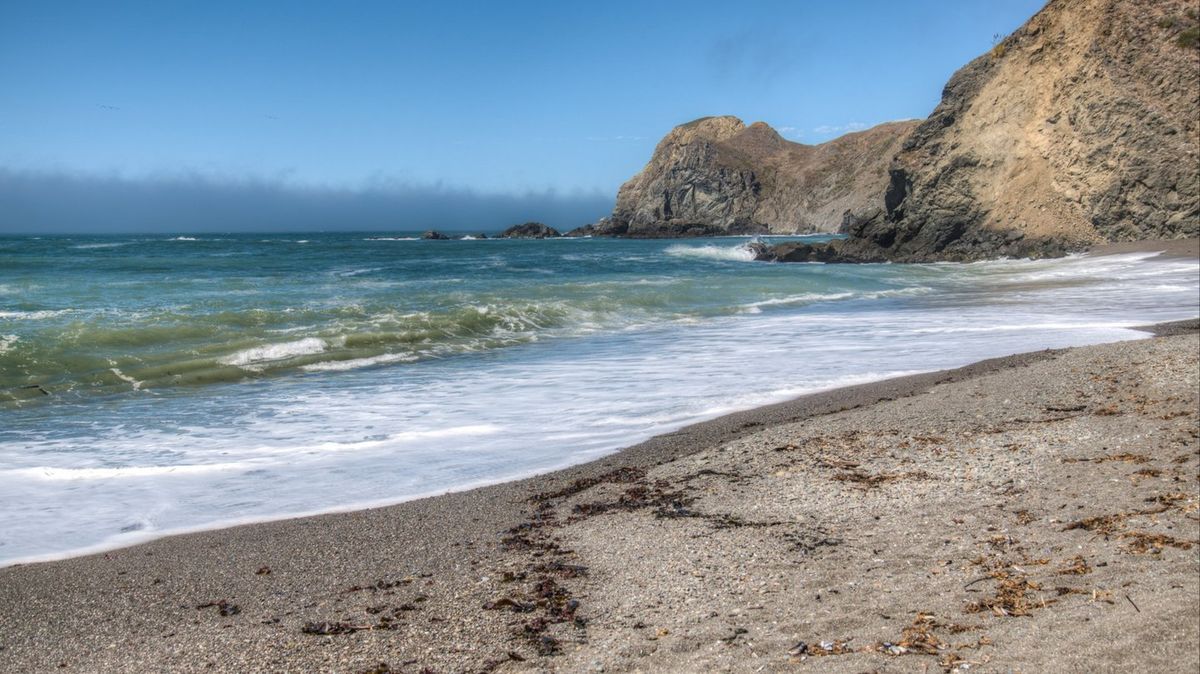
Human remains found on an isolated California beach in 2022 have now been linked to a banker who vanished in 1999.
Walter Karl Kinney disappeared in August 1999 at the age of 59. After he failed to return home, his family reported him missing, but early searches turned up no clear leads.
Investigators believed they may have been close to an answer later that same year when a single leg was recovered near Bodega Head, around five miles from where additional remains would later be discovered.
Despite the find, authorities couldn’t confirm who the remains belonged to. A size 12 walking shoe offered some clues, but not enough to make a definitive identification, and the investigation eventually stalled.
Years later, in 2003, Kinney’s case was revisited after his daughter urged authorities to take a deeper look at his medical history.
That push proved critical: an X-ray of Kinney’s feet was compared with the remains found inside the shoe, and the match led to Kinney being officially declared dead.
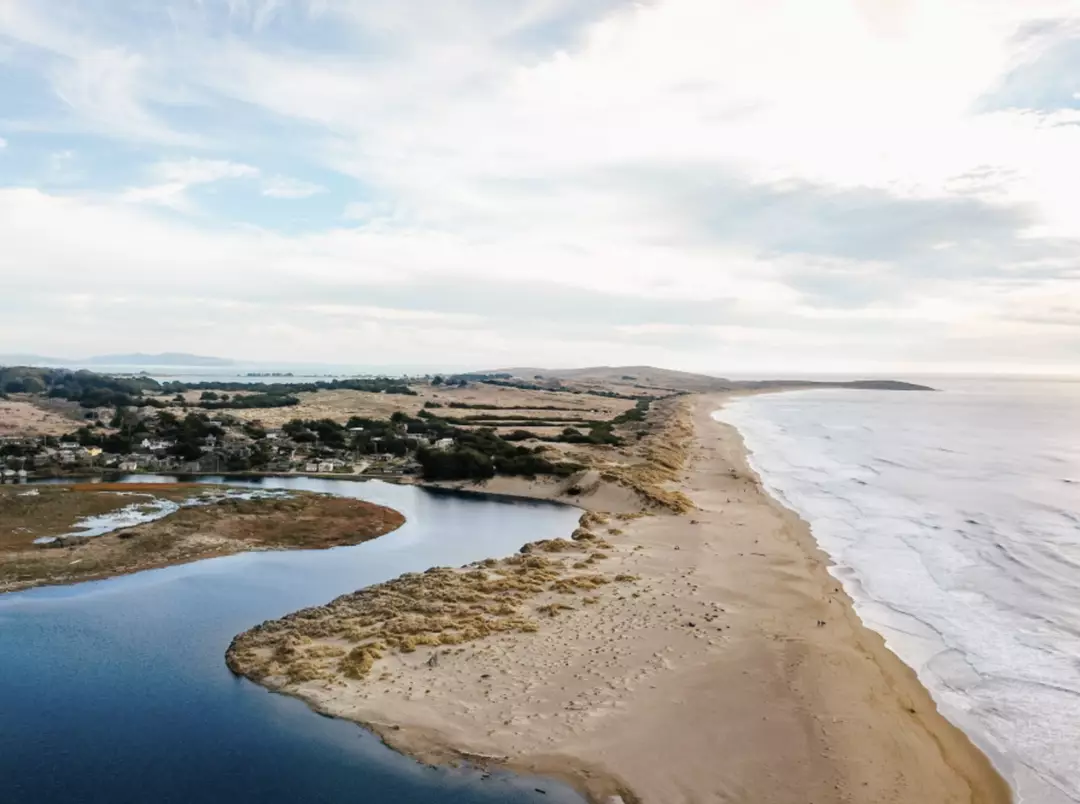
But the story didn’t end there. In June 2022, a family searching for seashells along Salmon Creek Beach in Bodega Bay made a disturbing discovery when they noticed what appeared to be a human bone in the sand.
The unidentified individual had previously been listed for years as “John Doe.” However, new work carried out by the DNA Doe Project alongside law enforcement produced DNA profiles that connected the remains back to Kinney—nearly three decades after he went missing.
Testing also confirmed that DNA from the leg found in 2022 was a perfect match to the person identified more than two decades earlier in 2003.
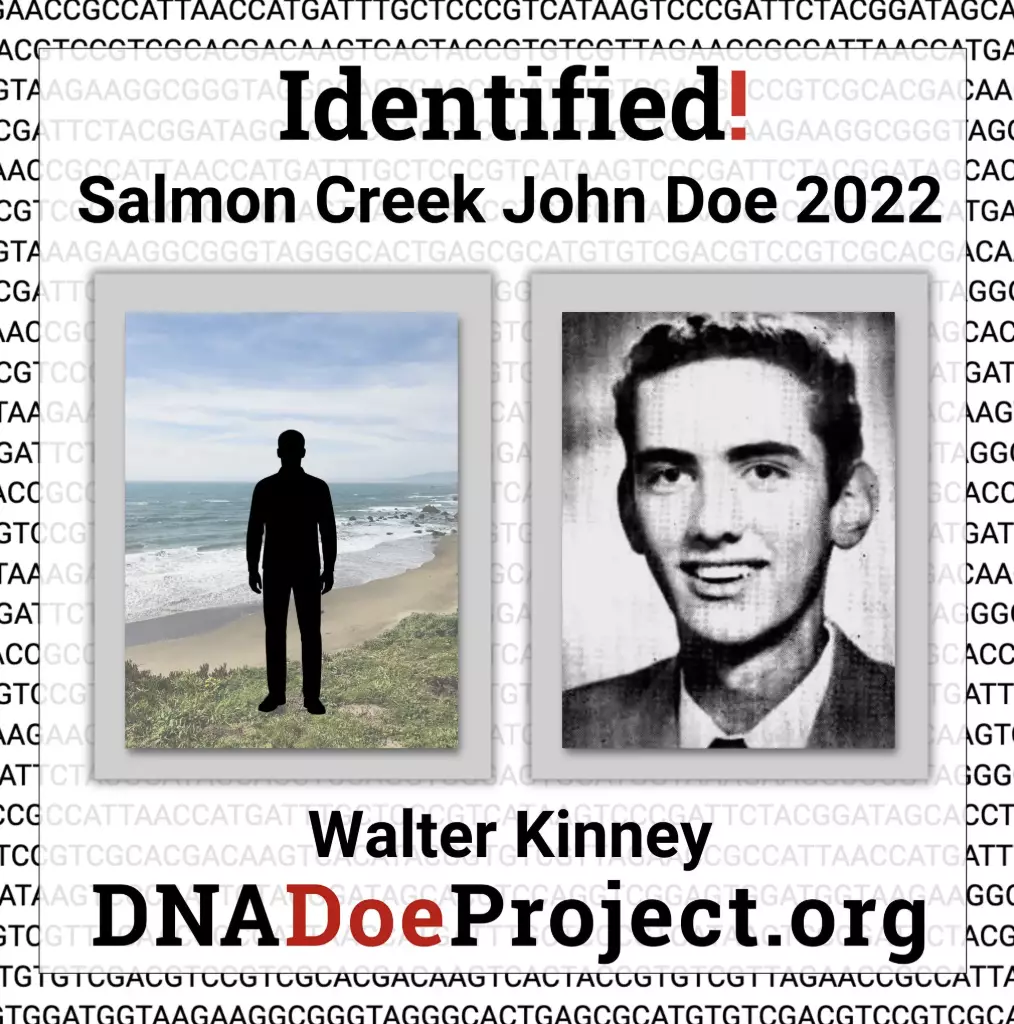
DNA Doe Project team leader Traci Onders said: “This case was unusual – it’s not often we see someone end up as a John Doe twice. But thanks to investigative genetic genealogy, we were able to resolve this mystery and provide some answers to everyone involved in this case.”
The group added in a statement: “The DNA Doe Project is grateful to the groups who we worked with to solve this case: the Sonoma County Sheriff’s Office, who entrusted this case to us; Genologue for sequencing; Astrea Forensics for bioinformatics; GEDmatch Pro for providing their database; our generous donors who joined our mission and contributed to this case; and the DNA Doe Project’s dedicated teams of volunteer investigative genetic genealogists who work tirelessly to bring all our John and Jane Does home.”