

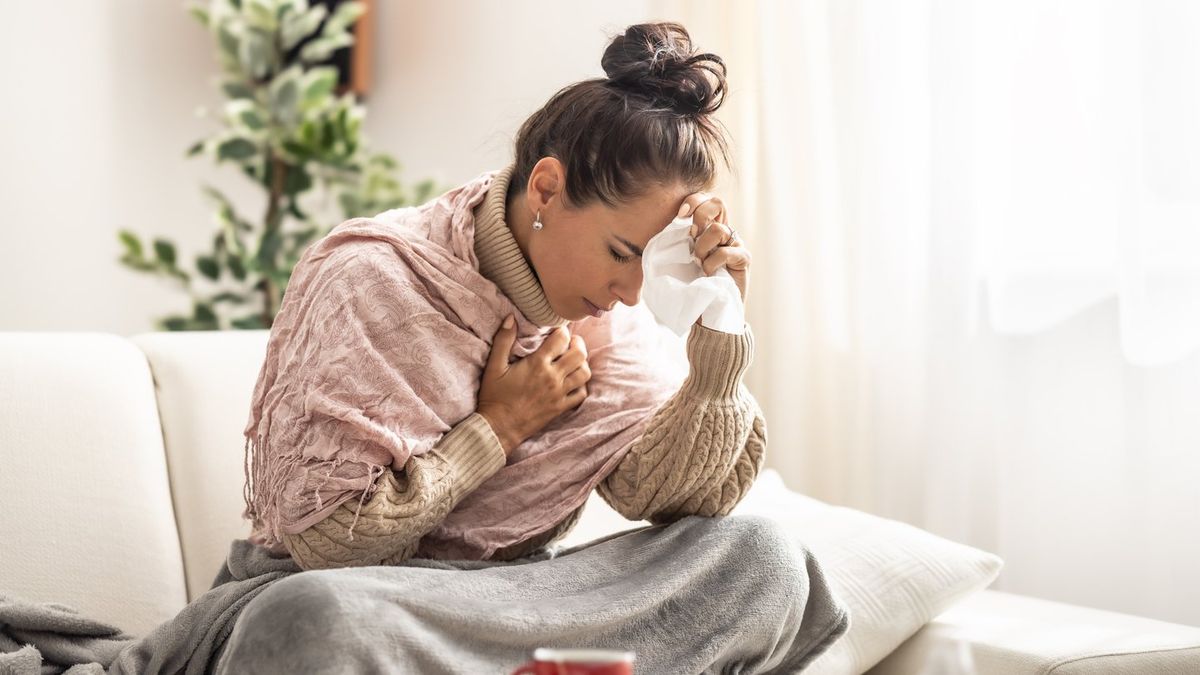
The Centers for Disease Control and Prevention (CDC) has confirmed a new Covid variant is spreading across the world, and the US isn’t an exception.
Nearly six years on from the start of COVID lockdowns across much of the world, many people felt life was finally moving back toward normal as newer strains appeared to cause less severe disruption.
But the CDC has now issued a new update on the SARS-CoV-2 variant BA.3.2. In a statement dated March 19, the agency described the strain as “highly divergent” and noted that it has expanded rapidly since it was first identified in Africa on November 22, 2024.
As of February 2026, BA.3.2 has been detected in 23 countries.
As infections tick up, pulmonary and critical care physician Kyle Enfield broke down what’s currently known about the strain—nicknamed “Cicada”—in an article for The Independent.
BA.3.2 traces back to the omicron family of variants, first identified in late 2021.
According to the CDC, the variant was initially flagged in South Africa after a five-year-old boy was tested for the virus.
From there, officials say ongoing genomic surveillance methods helped link BA.3.2 to an expanding list of countries over time.
In the US, the CDC later reported that a traveler at San Francisco International Airport in California carried the variant after arriving from the Netherlands on June 27, 2025.
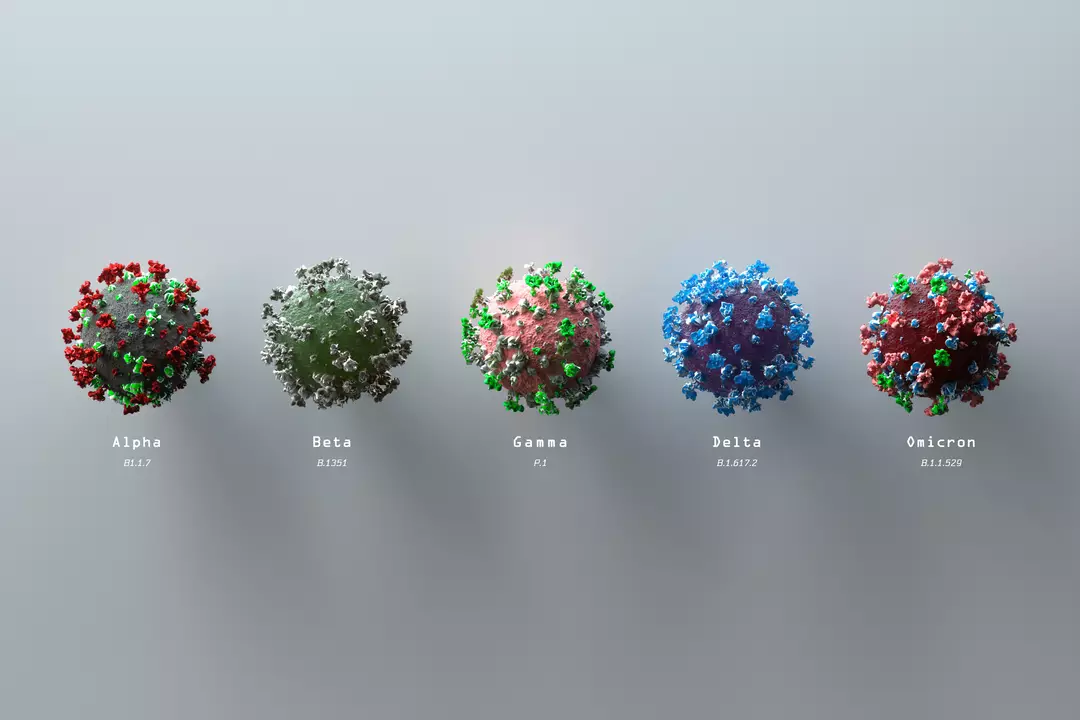
Dr Enfield noted that BA.3.2 differs notably from the JN.1-related strains current vaccines have been designed to target, meaning it may be harder for the immune system to identify quickly.
Even so, he emphasized that vaccination still matters because “a large body of evidence shows that they reduce hospitalizations and deaths from COVID-19″.
He added: “But a poorly matched vaccine simply won’t recognize the new variant as quickly, which means it takes longer for the immune system to mount its defense.”
He also argued that precautions remain worthwhile, particularly because vaccine protection may be reduced against this strain. He wrote: “That’s particularly true for people with chronic health conditions, who can experience severe illness from a COVID-19 infection.
“And while the number of people who develop long COVID has declined as the virus has changed since early in the pandemic, it still occurs in about 3 in 100 cases.”
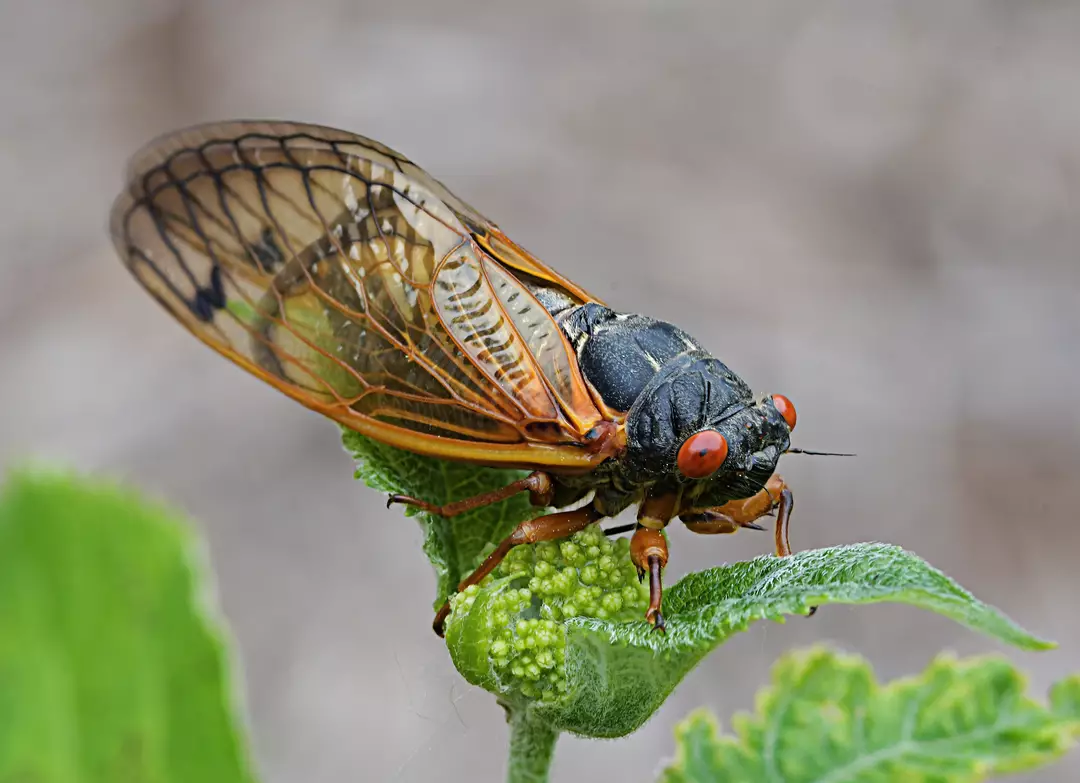
The BA.3.2 strain has been dubbed “cicada,” a reference to the insect found in many regions worldwide, known for easily recognized patterns.
The nickname also reflects the idea of the variant reappearing after a quieter period, similar to the cicada’s periodic lifecycle.
After the first known case in South Africa, BA.3.2 has since been identified in countries including Mozambique, the Netherlands, Germany, and the US.
In the CDC’s reporting through February 11, 2026, the variant was detected across 25 US states. Findings came from self-collected voluntary nasal swabs from four US travelers, clinical samples from five patients, 132 wastewater surveillance samples spanning 25 states, and three samples taken from airplane wastewater.

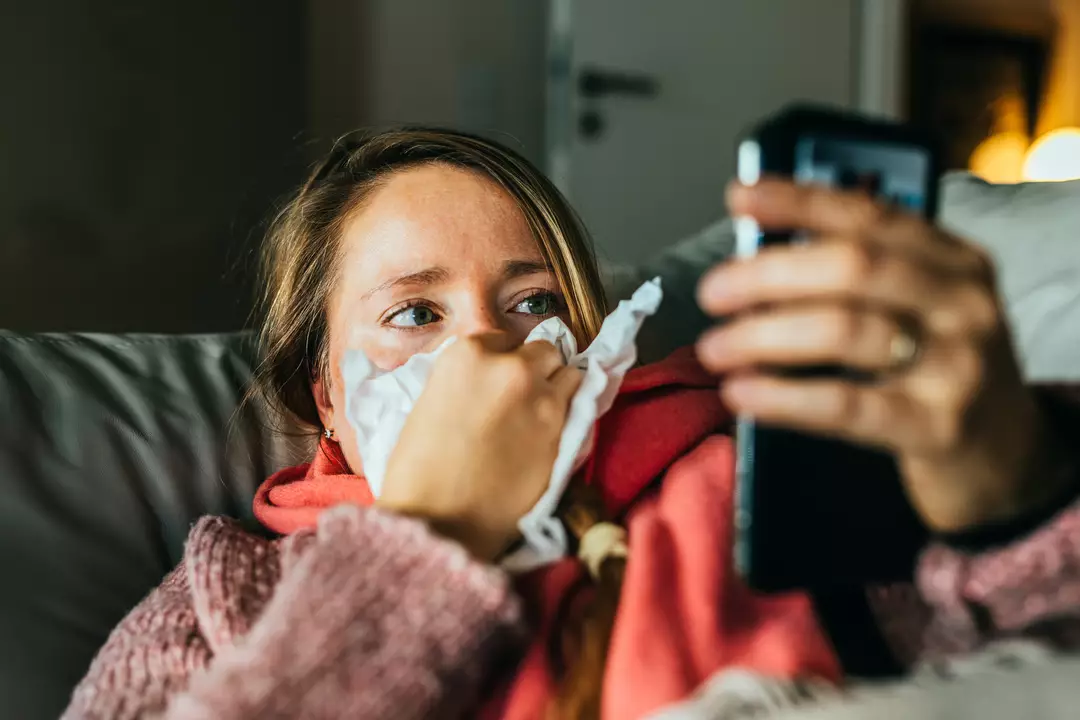
Symptoms linked to this strain are consistent with other COVID variants, including fever or chills, cough, shortness of breath or difficulty breathing, sore throat, congestion or runny nose, loss of taste or smell, fatigue, muscle or body aches, headache, and gastrointestinal issues such as nausea or vomiting and diarrhea.
Dr Enfield said reducing risk comes down to consistent, practical hygiene and sensible decisions.
He wrote that ‘people can take these commonsense steps to avoid getting or spreading’ the disease, including washing hands after using the bathroom, ‘before preparing food or eating, and after being in contact with a sick person’.
He said this is important because ‘hand-washing decreases the chance of a respiratory infection by 16% to 21%.h
“Second, if you feel unwell, stay home – not just to take care of yourself, but to prevent spreading disease. You may be hesitant to miss work or school, but the person sitting next to you might have a condition, such as cancer or chronic lung disease, that puts them at risk for severe infection, or they might live with someone who does,” the doctor recommended. “Third, get outside. Reducing your time in crowded environments reduces your chance of exposure.”
Finally, he advised that anyone who feels particularly vulnerable because of underlying health conditions should consider speaking with a healthcare professional for tailored guidance on additional steps to stay protected.