

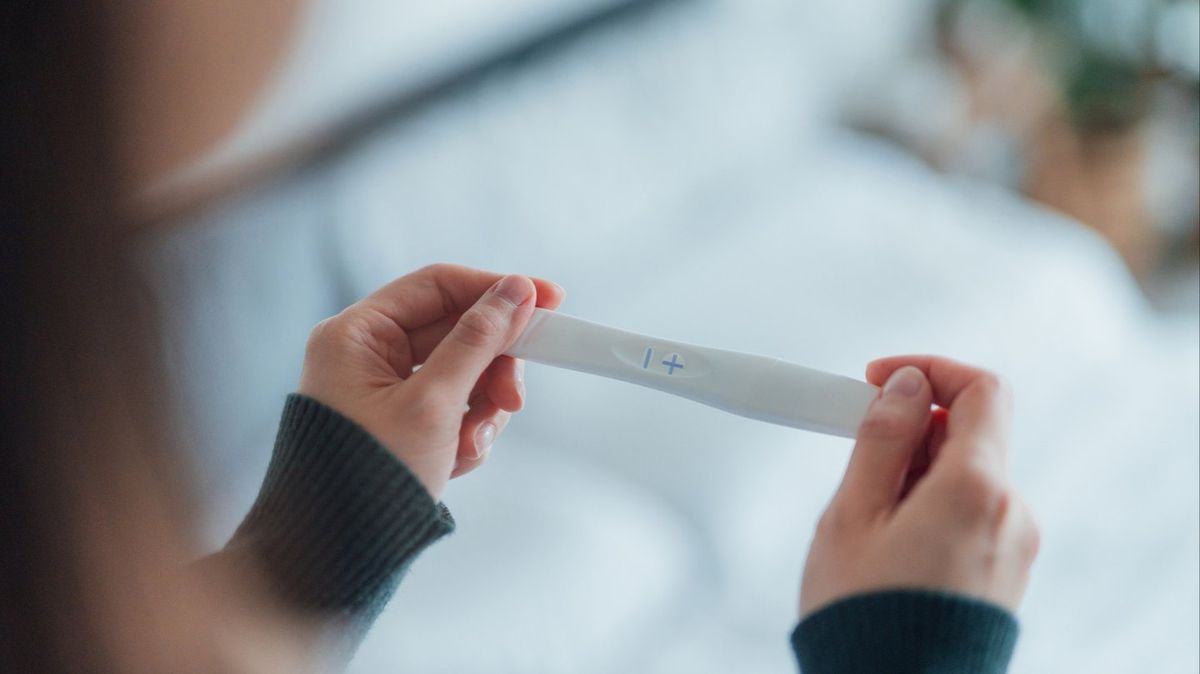
A Canadian court has barred a father and son accused of falsifying medical paperwork in connection with sperm donation from making any further ‘donations’ after allegations they helped conceive more than 600 children.
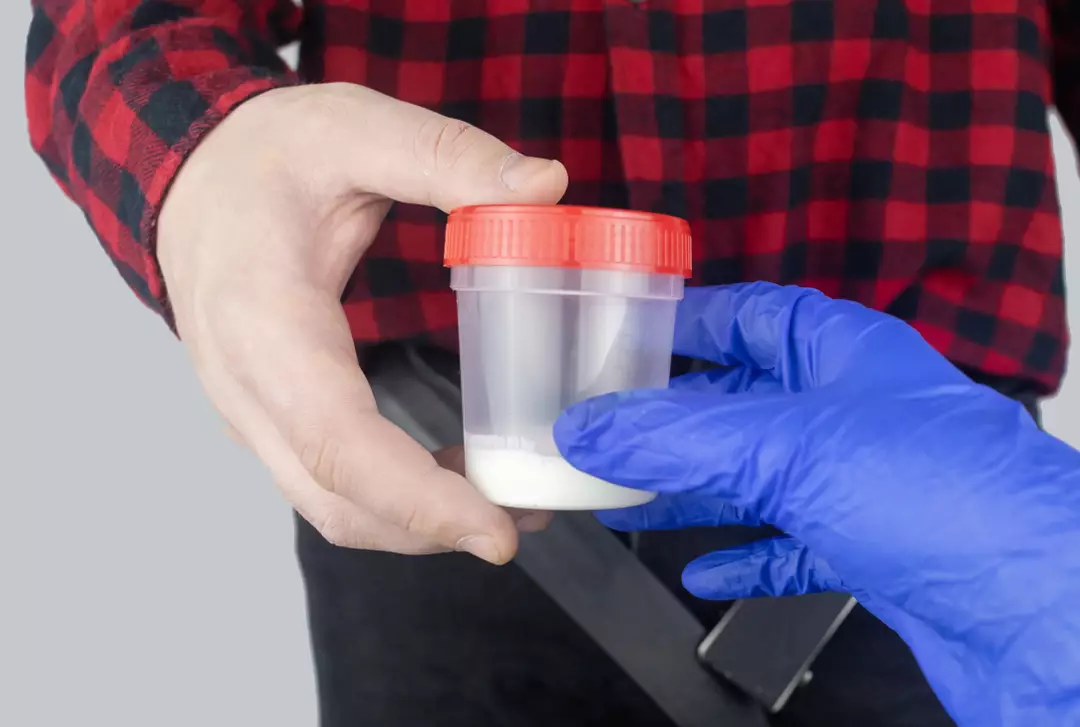
Philippe Normand and Dominik Seelos are named in documents filed with Quebec’s Superior Court on March 18. The documents allege the two provided sperm to a woman pursuing fertility treatment outside the country’s regulated healthcare system.
Legal filings state that the unnamed mother of four reached an agreement with Normand and Seelos to use their sperm, but later alleged they misrepresented how many children they had already fathered and assured her they would cap any future donations.
According to the filings, Normand said he would restrict donations to 10 families, while Seelos told the woman he would not assist more than 25 couples in having children. The court documents claim the reality was far higher, with the pair allegedly donating far beyond those limits.
“These promises influenced the plaintiff’s decision to use their reproductive material,” the legal documents alleged.
The filings also say the woman conceived all four of her children using donations from the two men—Normand’s sperm for her first three children and Seelos’ sperm for her youngest.
The plaintiff further alleged she only learned after the fact that Normand and Seelos were related as father and son, which prompted her to question whether other details she had been given were accurate.
After investigating, she claimed she discovered that Normand had fathered at least 162 children through sperm donation, and that Seelos’ sperm had been linked to 451 pregnancies.
As a result, the court documents argue, her children could have hundreds of half-siblings, along with a wide network of extended relatives created through the alleged scale of donations—raising concerns about future risks of unknowingly forming relationships with close genetic relatives.
In light of what she said she had uncovered, the woman asked the Quebec court to impose a permanent prohibition preventing the two men from donating sperm again.
The filings indicate Normand and Seelos challenged the allegations. Neither admitted wrongdoing, and they denied making binding promises about limiting the number of children they would help conceive via sperm donation, while also declining to concede to the woman’s other claims.
Despite their position, the court ruled in the plaintiff’s favor, issuing an order that prevents the two men from fathering additional children with third parties through sperm donation.
The decision also restricts them from contacting individuals seeking sperm donations or promoting any sperm-related services. To reinforce the ruling, the judge ordered that copies of the decision be provided to clinics where Normand and Seelos were said to have offered their services, aimed at preventing any attempt to bypass the ban.