

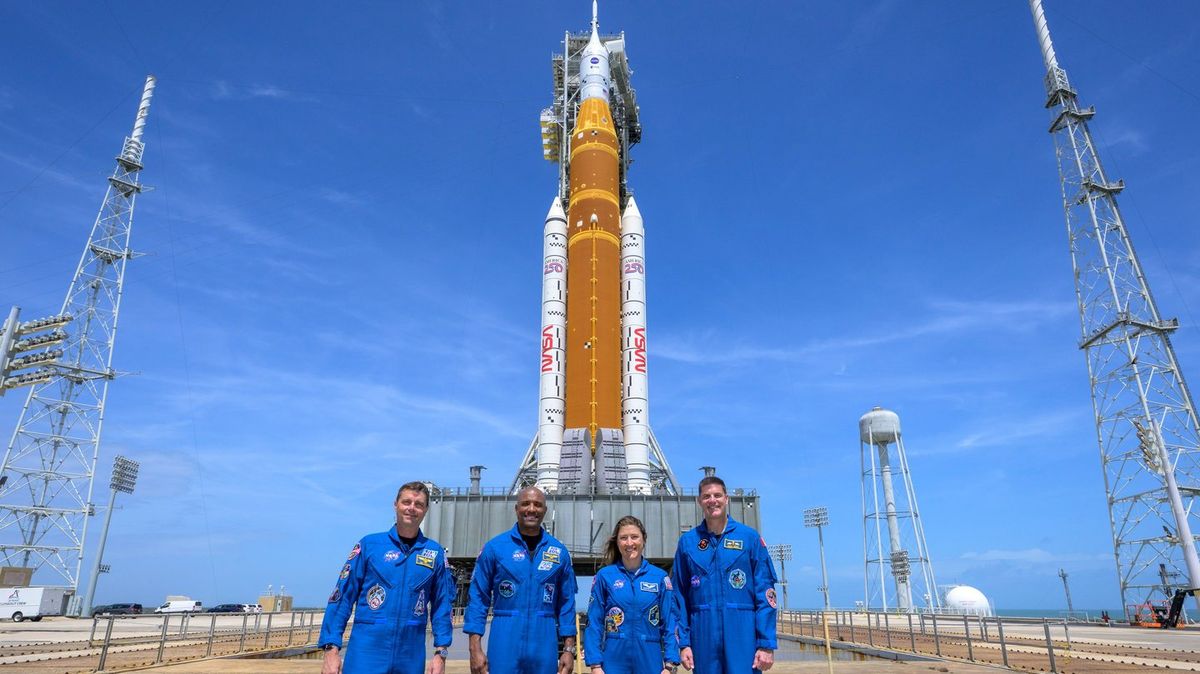
Canadian Space Agency (CSA) astronaut Jeremy Hansen says he has already talked with his wife and children about the chance of “crew loss” as he gets ready to travel around the Moon on NASA’s Artemis II mission.
Hansen will fly alongside NASA astronauts Reid Wiseman, Victor Glover, and Christina Koch on Artemis II, a mission due to launch from Florida today (April 1) and run for roughly 10 days.
The flight will be the first crewed lunar mission in half a century. Its central purpose is to put the Orion spacecraft through a major real-world test, checking that its systems perform properly in deep space with astronauts aboard.
NASA has said Artemis II will “inspire the next generation of explorers,” but Hansen has emphasized that he’s conscious of the dangers involved, particularly for the family he’ll be leaving behind.
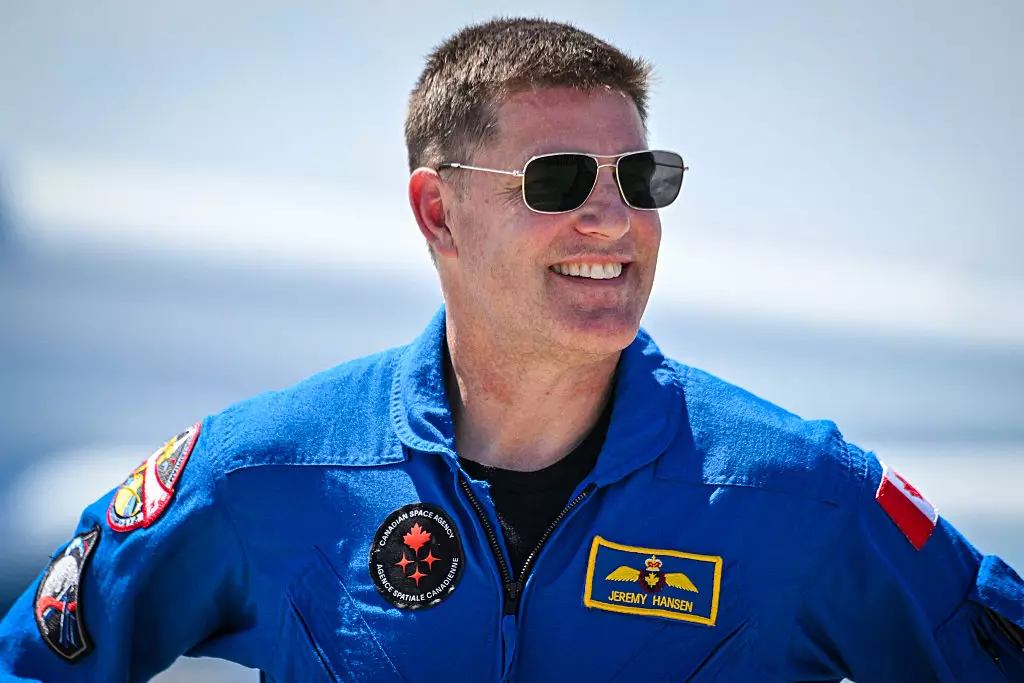
Hansen, 50, shares three children with his wife, Catherine. He discussed those family conversations during an interview with CBC News: The National in January.
Pointing to the “very real possibility” of Orion losing contact with Earth, Hansen explained that the crew would need to be ready to rely on the “bare basics” to give themselves a “fighting chance” if they had to return home without communications.
“Obviously I’ve had that conversation with my wife and my children,” Hansen said, while noting there was “still a little bit more work to do” when it came to ensuring his family felt prepared.
“What I want most is for them to know that when I launch – because that will be a very acute, stressful moment – that they’re going to be okay if we have a loss of crew on the mission. Yeah, it’ll be tough, and they’ll go through a process of mourning, but we’re going to set it up so that they’re going to be okay.”
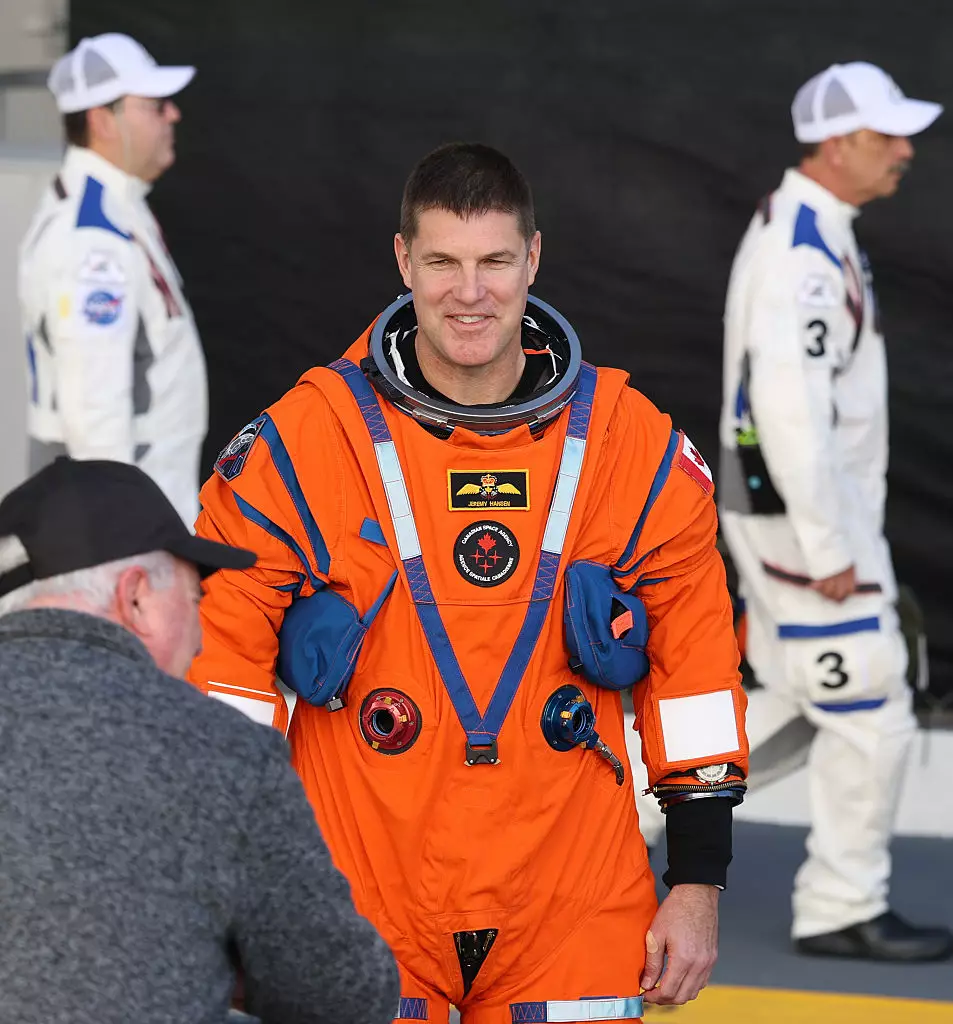
Speaking frankly about the hazards of spaceflight isn’t new for Hansen. In October, he also addressed 5th and 6th Grade students at the Canadian Space Agency headquarters about the upcoming mission and what it entails.
He told the students the crew “know there’s a risk,” and added: “The thing that you should remember is that if you’re taking risks in your life, they have to be for a good reason, and we think this risk is for a good reason.
“We think it’s pushing humanity forward and therefore we should take it.”