

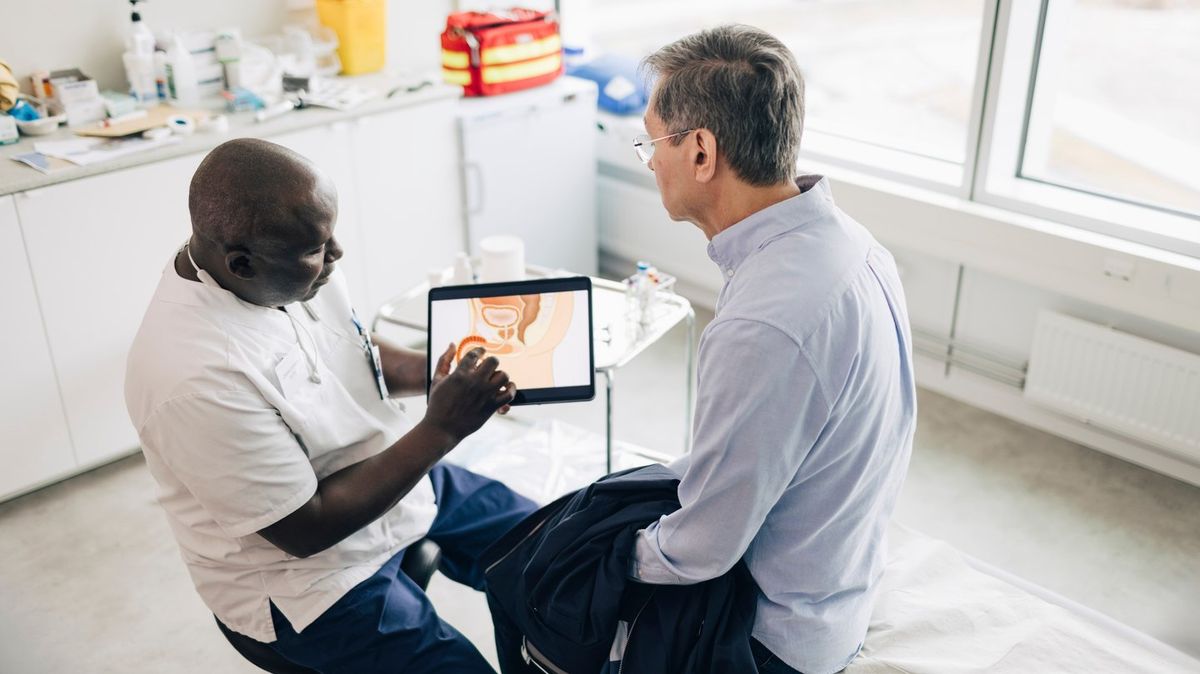
Men who miss one key step may face a much higher risk of prostate cancer outcomes.
Prostate cancer is common: the American Cancer Society estimates roughly one in eight men will be diagnosed at some point in their lives.
The prostate is a small gland in the male reproductive system. It sits below the bladder and in front of the rectum, and it produces fluid that helps form semen.
In many cases, prostate cancer develops slowly and is often detected early. The Mayo Clinic notes that most people who are diagnosed can be successfully treated.
The clinic also lists several possible warning signs that can appear in the early stages.
These may include blood in the urine (which can look pink, red, or cola-colored), blood in semen, urinating more frequently than usual, difficulty starting urination, and waking up more often at night to pee.

If the cancer advances beyond the prostate, additional symptoms can occur. These may include leaking urine, back or bone pain, and trouble getting or keeping an erection (erectile dysfunction).
Persistent fatigue, unintentional weight loss, and weakness in the arms or legs can also be associated with more serious disease.
Researchers say, however, that one factor in particular is linked to a significantly higher risk: not going to regular screening appointments.
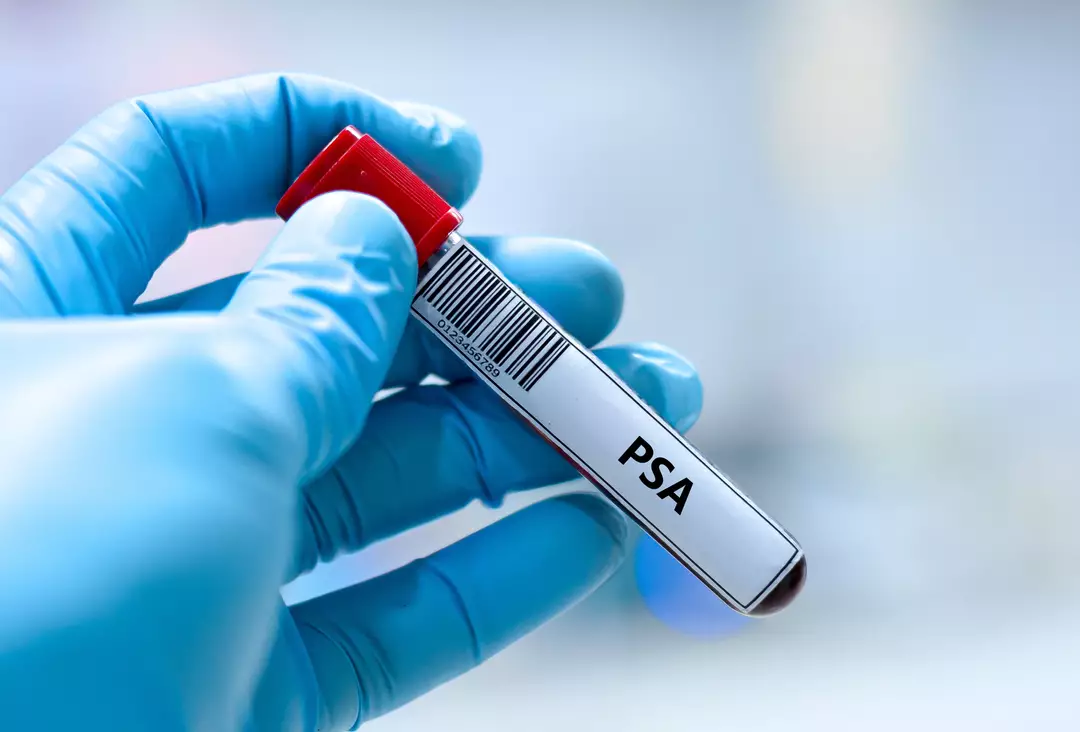
That includes prostate-specific antigen (PSA) blood tests, which measure a protein made by the prostate gland.
PSA is present in the blood of everyone with a prostate, but a higher-than-expected level can indicate that something may need further evaluation.
Data from the European Randomised Study of Screening for Prostate Cancer (ERSPC) — which combined information from seven European countries over the last 20 years in what is described as the world’s largest prostate cancer screening study — suggests early detection improves the odds of being cured and may help avoid expensive medical care later on.

Across the ERSPC findings, PSA screening has repeatedly been associated with a 20 percent reduction in the risk of dying from prostate cancer.
More recent analysis also points to a troubling link between declining attendance at screening consultations and a higher likelihood of death from the disease.
It highlights what researchers describe as a “stark contrast” between those who take part in screening and those who avoid it.
The analysis was led by scientists at the Erasmus MC Cancer Institute at University Medical Centre in the Netherlands and included 72,460 men.
About one in six participants were classed as non-attenders because they did not show up to any appointments.
Compared with men who attended, those who missed every appointment were found to have a 45 percent higher risk of dying from prostate cancer.
In the same dataset, attendance was linked with a 23 percent lower risk of death from prostate cancer, while non-attenders were associated with a 39 percent higher risk.
Discussing why this gap might exist, lead study author, Renée Leenen, M.D., Ph.D., of the cancer institute in the Netherlands, said: “It may be that men who opted not to attend a screening appointment are care avoiders – meaning they’re less likely to engage in healthy behaviors and preventative care in general.”
She added: “This is the opposite behavior of people who are perhaps more health-conscious and are more likely to attend a screening appointment.”
Dr Leenen said healthcare teams should try to learn more about which men are skipping screening and what drives that decision.
“This will help us to design population-based prostate cancer screening programmes that encourage higher rates of informed participation. Tackling attendance rates in this way could be a big factor in the long-term success of a national prostate screening programme,” she said.
The study’s findings are set to be presented at the European Association of Urology (EAU) Congress in Madrid, Spain.
If you’ve been affected by any of these issues and want to speak to someone in confidence, contact the American Cancer Society on 1-800-227-2345 or via their live chat feature, available 24/7 every day of the year.