

A doctor has highlighted a common kitchen habit that could be increasing your exposure to microplastics, potentially impacting your health.
Scientists are still piecing together what microplastics do inside the human body. Earlier research has linked them to possible inflammation and cellular damage, with some studies even raising concerns about conditions such as dementia.
While the full picture is still emerging, more findings are expected in the coming months and years. In the meantime, many medical professionals are choosing a cautious approach when it comes to everyday sources of possible microplastic contamination.
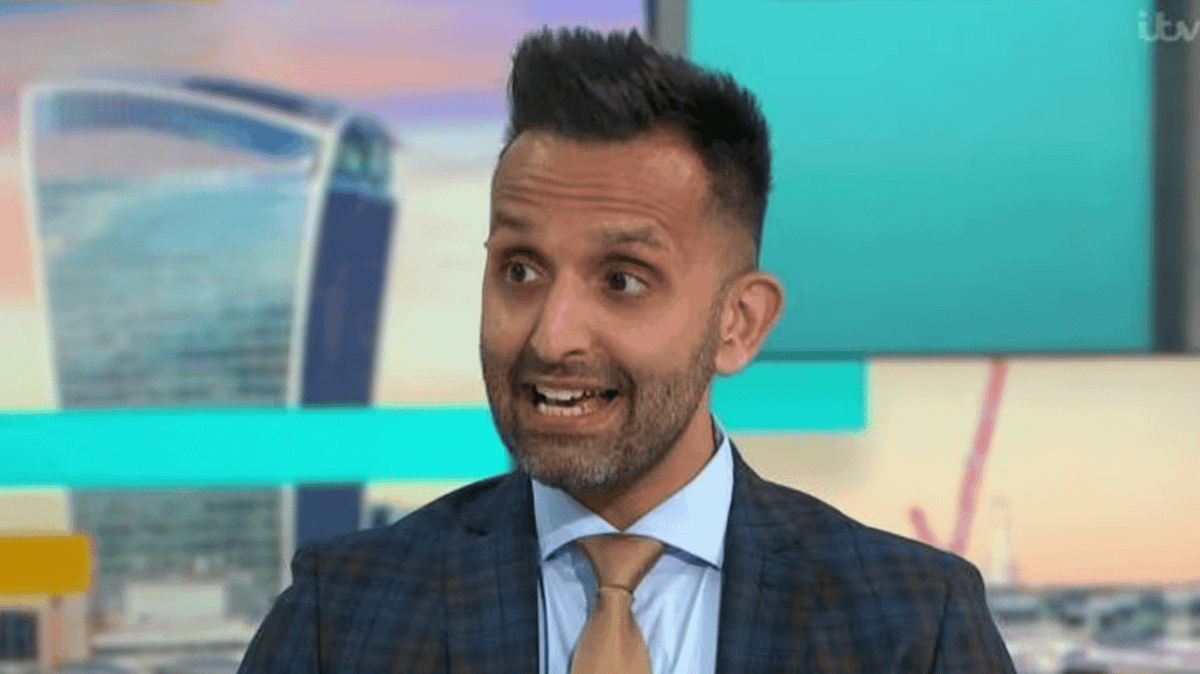
Dr Amir Khan — who UK viewers may recognise from ITV programmes including Good Morning Britain, Lorraine and This Morning — spoke on his podcast No Appointments Necessary about a kitchen practice he says he has personally stopped due to concerns around microplastics.
As per The Mirror, the healthcare professional and TV doctor said: “Now that I know what I know about the dementia study and the carotid artery study – it’s something that I do not do anymore. Not because it’s definite, but because it might be possible.

“When you store food in plastic containers, it increases the risk of that food absorbing some of the microplastics within that container. If you then put it in the microwave, the heat really ramps up that risk. The plastic becomes a little bit more unstable, and it gives off these microplastics into your food.”
He also addressed a question many people have about ready meals that come in plastic packaging. Dr Khan suggested that a safer option is to transfer the food into a microwave-safe plate or bowl before heating it.

The warning follows a recent study that reported microplastics and nanoplastics (MNPs) detected in the brain were present at levels three to five times higher in people diagnosed with dementia.
Dr Nicholas Fabiano, from the University of Ottawa’s Department of Psychiatry and lead author of the commentary said: “The dramatic increase in brain microplastic concentrations over just eight years, from 2016 to 2024, is particularly alarming.
“This rise mirrors the exponential increase we’re seeing in environmental microplastic levels.”
Dr Brandon Luu, an Internal Medicine Resident at the University of Toronto, offered practical guidance for reducing exposure at home, saying: “Heating food in plastic containers—especially in the microwave can release substantial amounts of microplastics and nanoplastics.
“Avoiding plastic food storage and using glass or stainless steel alternatives is a small but meaningful step in limiting exposure.”