

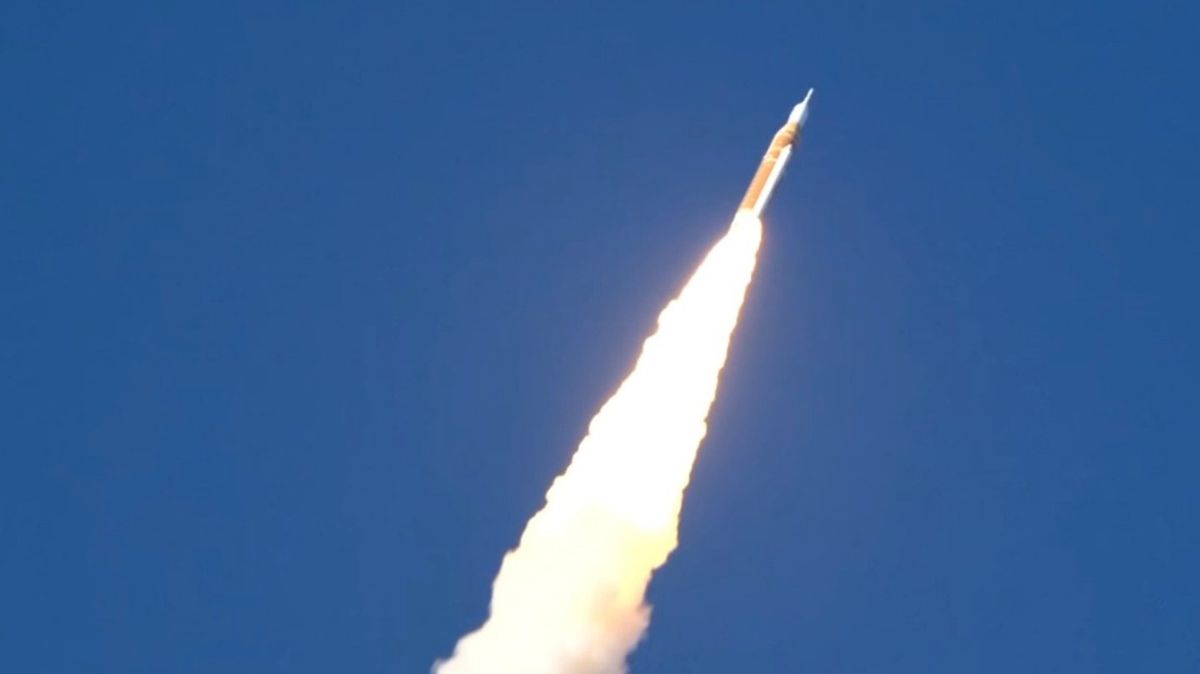
Nearly sixty years after NASA changed history with the first moon landing, the US has returned to crewed lunar exploration as Artemis II lifted off successfully on Wednesday evening.
The rocket launched from Cape Canaveral at 6:35pm ET, drawing millions of viewers worldwide to watch as three American astronauts and one Canadian began the first crewed moon mission in almost 50 years.
In the hours leading up to liftoff, the mission faced several technical snags that put the schedule at risk. These included a battery temperature concern and an issue tied to the flight termination system (FTS) — a critical safety mechanism intended to destroy the rocket if it strays off course or creates a danger.
The problems were resolved quickly. Although NASA did not publicly detail the exact remedy, mission control confirmed the issue had been addressed and the launch could proceed.
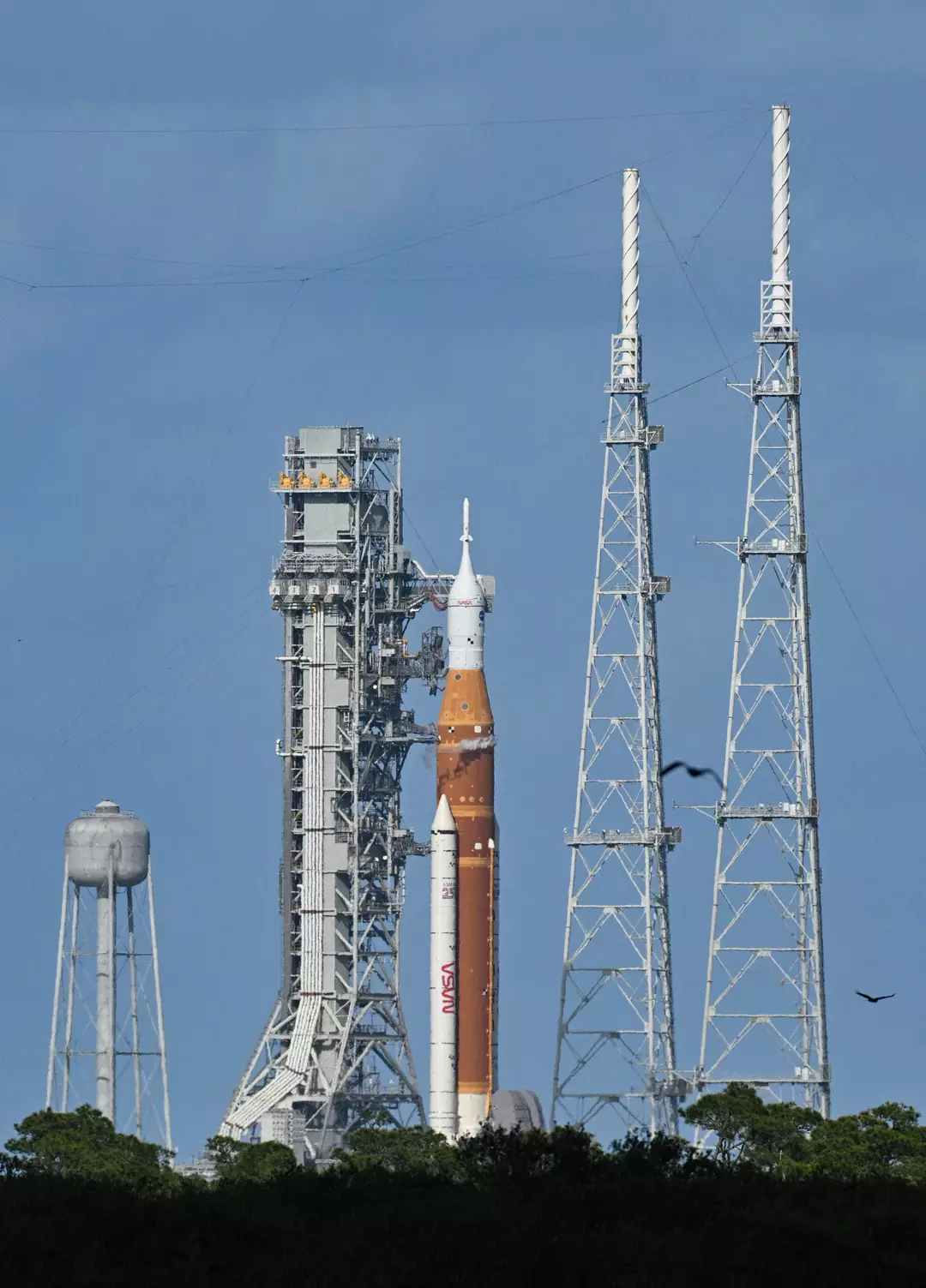
“It was a fix to clear the range and work the FTS. That is no longer a constraint,” NASA’s launch commentator, Derrol Nail, explained. “It’s great news. The range is green and we’re continuing with the countdown”.
Artemis II marks the program’s second flight and its first mission carrying astronauts, forming a key part of NASA’s Moon to Mars initiative — a long-term effort focused on establishing a sustainable human presence on the Moon that could ultimately support future crewed journeys to Mars.
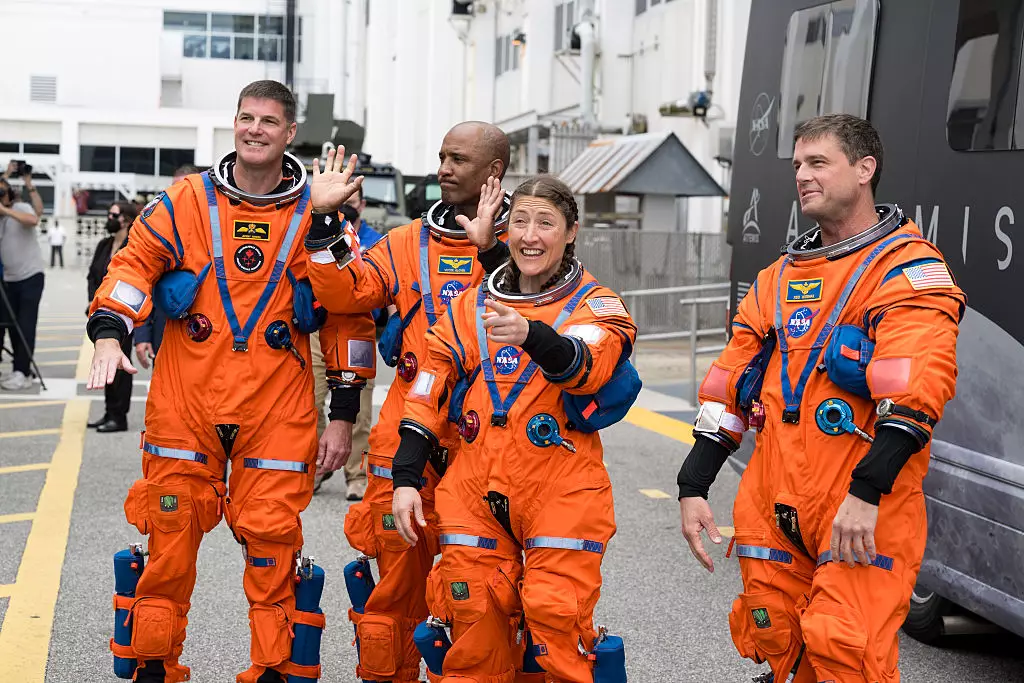
Planned to run for 10 days, the mission will not attempt a landing. Instead, it will send the Orion spacecraft on a lunar flyby. The crew — Reid Wiseman, Victor Glover, Christina Koch and Jeremy Hansen — are expected to set a new distance record for human spaceflight, traveling roughly 253,000 miles from Earth.
With Mars as the longer-term destination, Artemis II is designed to put vital spacecraft and life-support hardware through its paces, while closely tracking the crew’s health during an extended mission. Researchers will pay particular attention to the heightened impacts of radiation exposure and microgravity during deep-space travel.
Another major goal is verifying that the Orion capsule can survive re-entry conditions reaching up to 3,000F (1650C).
If the flight continues as planned, about six days in Orion will swing around the Moon, passing roughly 4,000 to 6,000 miles above the surface. That close approach should provide a prime chance to photograph the lunar South Pole — the targeted region for the next human landing, currently expected as early as 2028.