

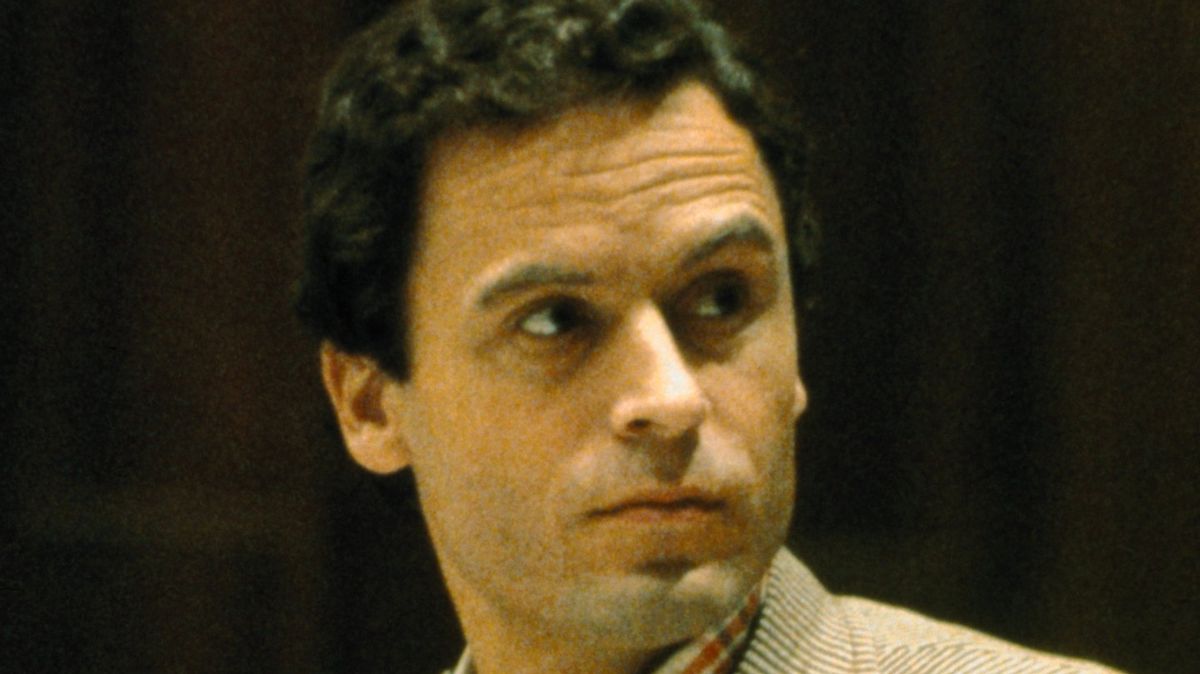
Authorities have officially ended a 51-year-old cold case after advanced DNA testing connected a teenage victim’s murder to Ted Bundy.
Laura Ann Aime was 17 when she disappeared in 1974 after leaving a Halloween party. She was studying law at the University of Utah and living in Salt Lake City at the time.
About a month later, hikers discovered her body in American Fork Canyon, but the investigation stalled and remained unsolved for decades.
Bundy is believed to have killed at least 30 women between February 1974 and February 1978, and he has been suspected in additional murders across the United States.
In 1979, he was found guilty in the deaths of Margaret Bowman and Lisa Levy and received two death sentences. He was later sentenced to death a third time for the murder of Kimberly Leach. Bundy was executed by electric chair in 1989.
On Wednesday, the Utah County Sheriff’s Office said new analysis ‘confirmed irrefutably that DNA evidence recovered from Laura’s body verified the existence of DNA belonging to Bundy’.

Bundy had admitted to killing Laura before his execution, but he did not provide further information or explain what happened. The sheriff explained why the file stayed open for so long, saying: “The Sheriff’s Department elected to keep this case open until investigators could prove, without a shadow of doubt, that he was her killer.”
The sheriff added that if Bundy were alive today, prosecutors would seek the death penalty.
“The case is now officially closed,” Utah County Sheriff Mike Smith said during a news conference, The Salt Lake Tribune reports.
In the sheriff’s statement, Laura was described as an ‘outgoing free spirit who enjoyed outdoor activities and shared a passion for riding horses, hunting, and caring for her several siblings,’
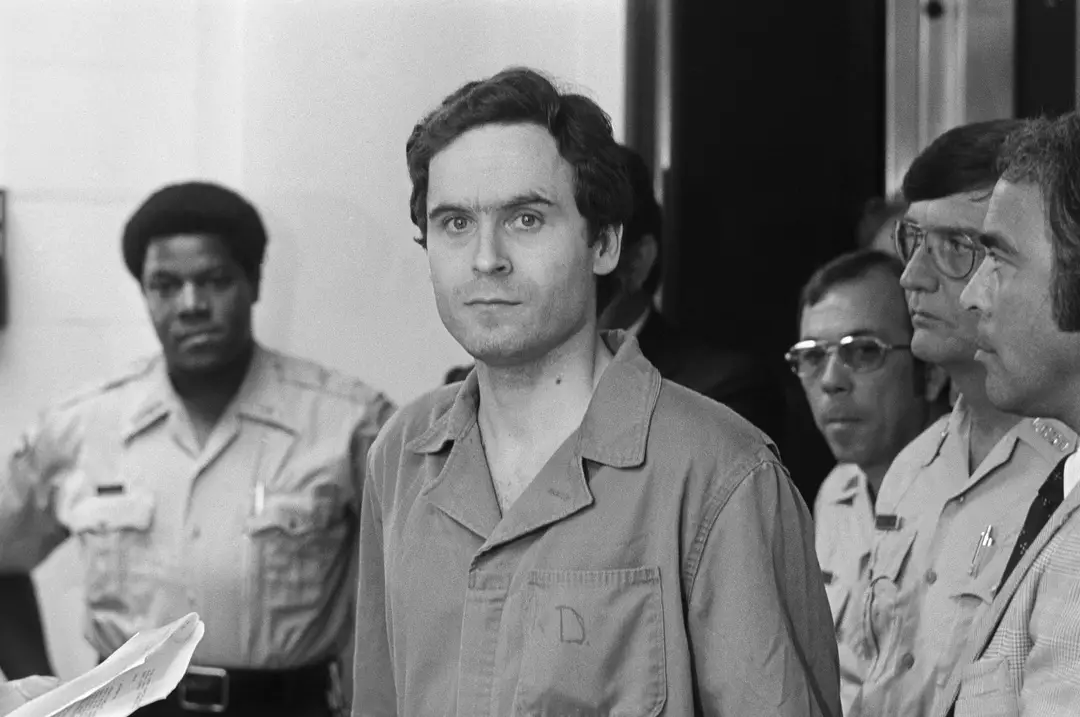
Bundy became notorious for targeting women in public settings, often presenting himself as harmless—sometimes by acting injured—to win confidence before drawing victims to isolated locations where he would assault and kill them. His pattern was not widely recognized at first, but that began to change in 1975 after he was detained during a traffic stop that raised suspicion.
Later in 1975, he was convicted of kidnapping in Salt Lake City and sent to prison. In 1977, while being held in Colorado and awaiting trial for more serious allegations, he escaped by leaping from a courthouse library window. He was caught days later, but managed to break out again that same year.
After making it to Florida, Bundy killed again before he was arrested in 1978, ending his time as a fugitive.