

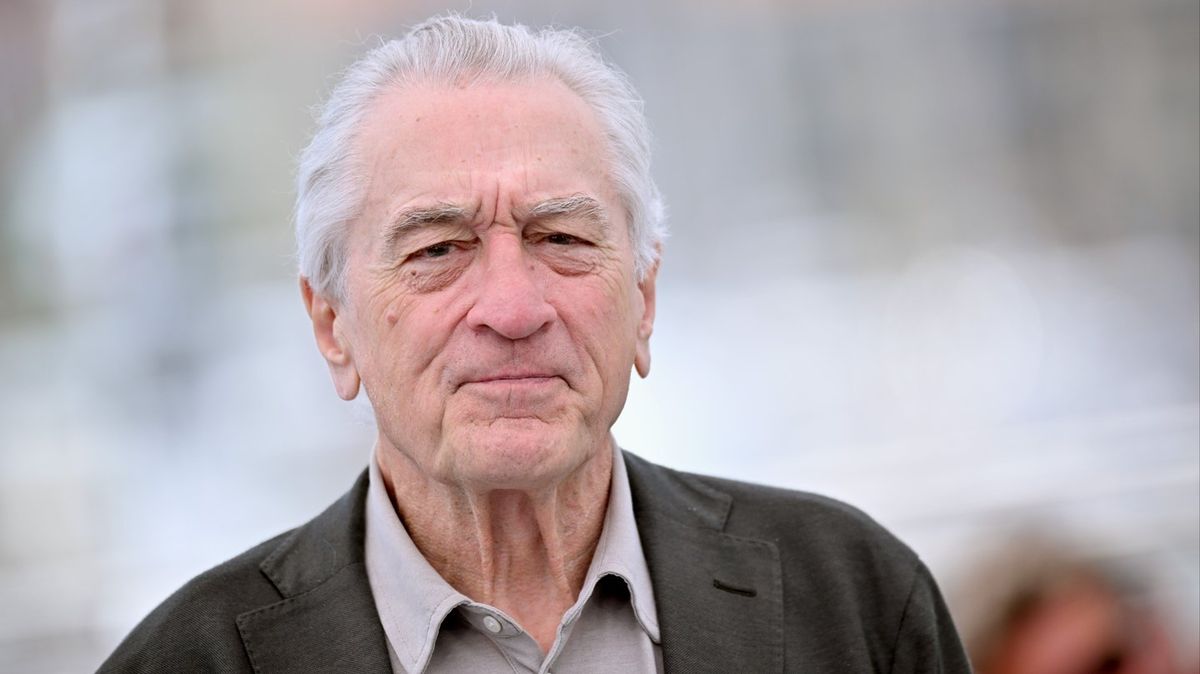
Not long after delivering a blistering speech about the president, Robert De Niro has responded to accusations that he has “Trump Derangement Syndrome”.
On March 28, The Irishman actor De Niro spoke at a No Kings protest in New York, the city where he was born and grew up.
The demonstrations were the third round of No Kings rallies, following the first events held in June 2025.
Organizers and reports estimate that around eight million people took part in the latest wave of protests across the US. Reports said that more than 3,000 separate demonstrations were held.
At the New York rally, the 82-year-old didn’t mince his words while sharing his view of the president.
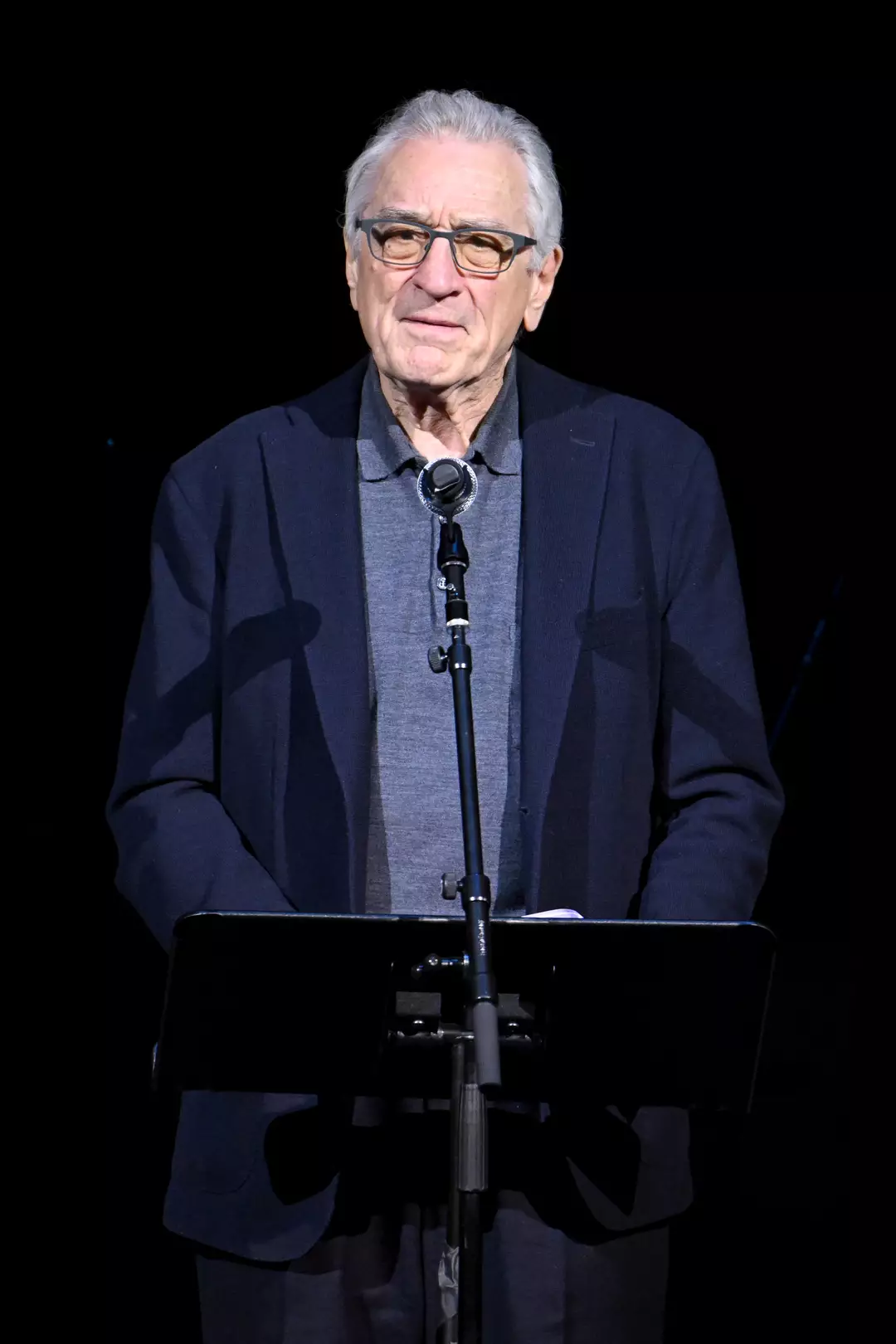
“When the crowds are chanting ‘no Kings’ what I am really hearing, as we all know, is ‘no Trump’,” he said.
“There have been other presidents that have tested the constitutional limits of their power but none have been such an existential threat to our freedoms and security, none except Trump.
“He must be stopped and he must be stopped now.”
The comments added to De Niro’s long-running public criticism of Trump, which has continued through the president’s second term and the policies tied to it.
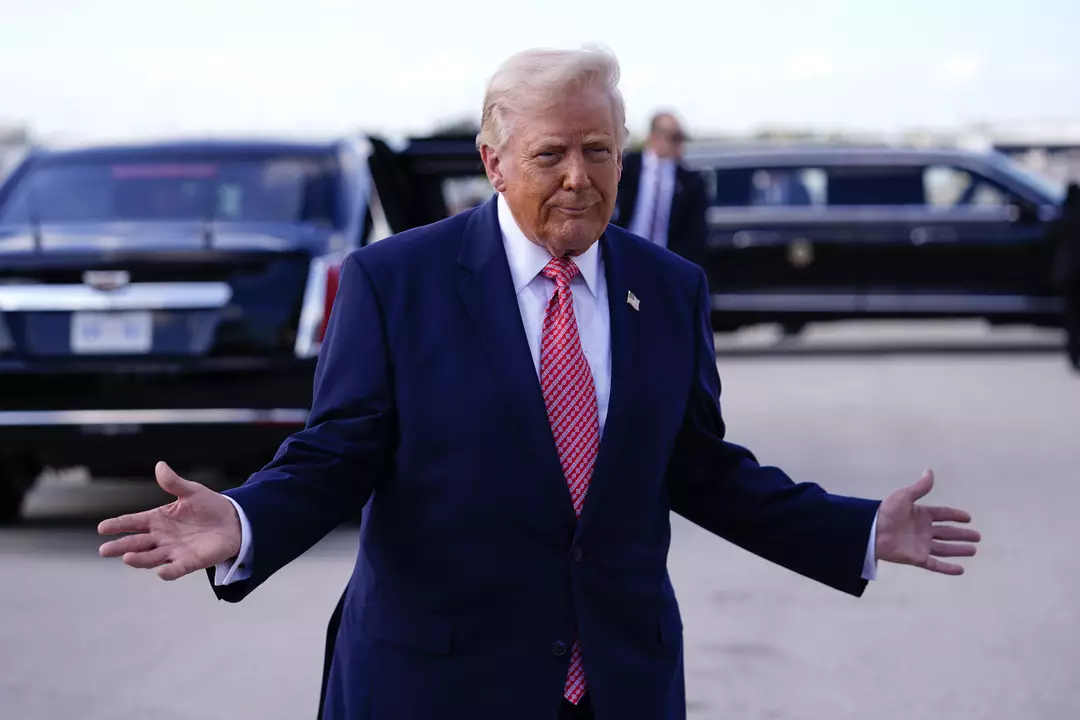
Trump later fired back at the two-time Oscar winner, calling him “Trump Deranged Robert De Niro” and invoking the phrase “Trump Derangement Syndrome,” a term used by some supporters to dismiss critics.
‘HE'S DAMAGED’: Actor Robert De Niro responds to claims that he suffers from “Trump Derangement Syndrome,” saying, “People don't like him [Trump] for a reason: of all the terrible things he's done… If he did nice things, people would love him, but he's got a problem." pic.twitter.com/MGWpaqvppG
— Fox News (@FoxNews) April 2, 2026
When asked directly about the supposed “syndrome,” De Niro rejected the idea and said the claim was baseless.
“People don’t like him for a reason,” the acting legend said. “All the terrible things he’s done. If he did nice things, then he could have — he had the chance — he became president — to do nice things, not hateful, retribution, not just outright mean things.”
“If he did nice things, people would love him,” De Niro added. “But he’s got a problem. He’s damaged.”
In 2025, some lawmakers pushed for the term to be formally recognized as a mental health disorder, though it has not been classified as one. The Therapy Group of DC has described it instead as “political slang”.
“It is not a diagnosis listed in the DSM-5 or any other clinical manual,” it explains on its website. “Supporters of President Donald Trump coined it as a rhetorical jab. The implication being that critics are so blinded by dislike that they can’t perceive reality. The label discredits rather than describes, and its very existence shows how political language can blur the line between clinical insight and partisan insult.”