

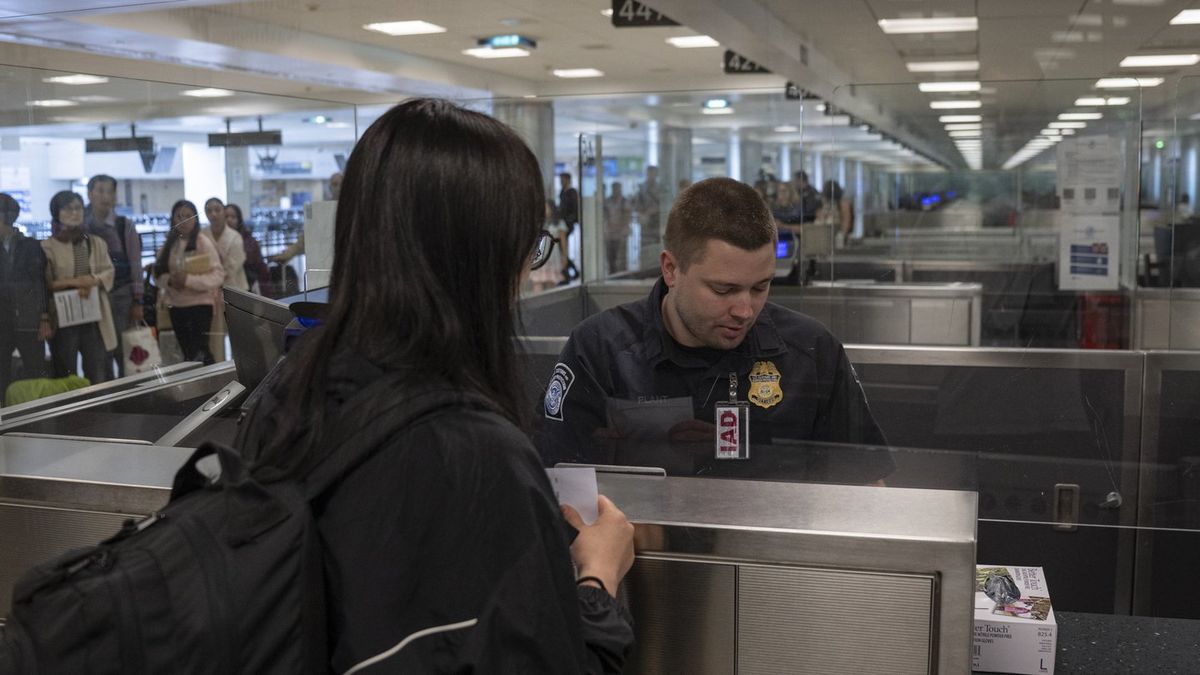
Travelling is usually smoother when you plan ahead and keep a few key precautions in mind.
Alongside the obvious essentials—like making sure you have the right passport, visa, and supporting paperwork—it’s also worth checking the entry rules for the country you’re heading to.
Requirements can vary widely based on your nationality and the destination’s own regulations, so what’s routine for one traveller may be different for another.
One area that can catch people off guard is digital privacy at the border. In the following seven destinations, authorities can, in certain situations, examine electronic devices before allowing entry.
The justification differs by location, ranging from suspected criminal activity to checks linked to online activity and national security.
So which places have these powers in place?
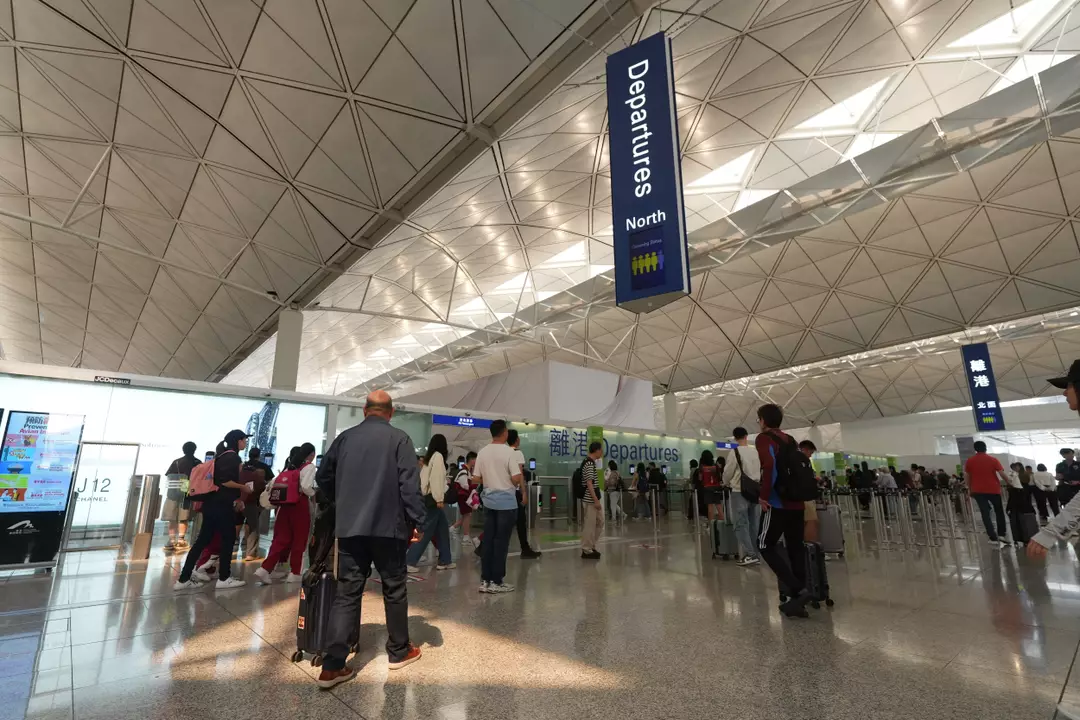
Russia
Travellers heading to Russia are often advised to assume limited privacy on their devices while entering the country.
The US State Department has warned that Russian authorities may seize electronic devices.
It also notes that visitors can be detained based on information discovered on a device, and that how these powers are applied can be unpredictable.
Canada
Canada’s border officers can examine electronic devices under the Customs Act, according to the Canada Border Services Agency (CBSA).
They do not require a warrant to conduct these checks, and travellers may be required to provide passwords if asked.
However, the CBSA indicates there should be a basis for doing so—specifically, “if they have indicators or concerns that border laws may have been contravened”.
Examples can include suspected attempts to bring in restricted or illegal goods, or situations where an officer has doubts about a person’s identity.
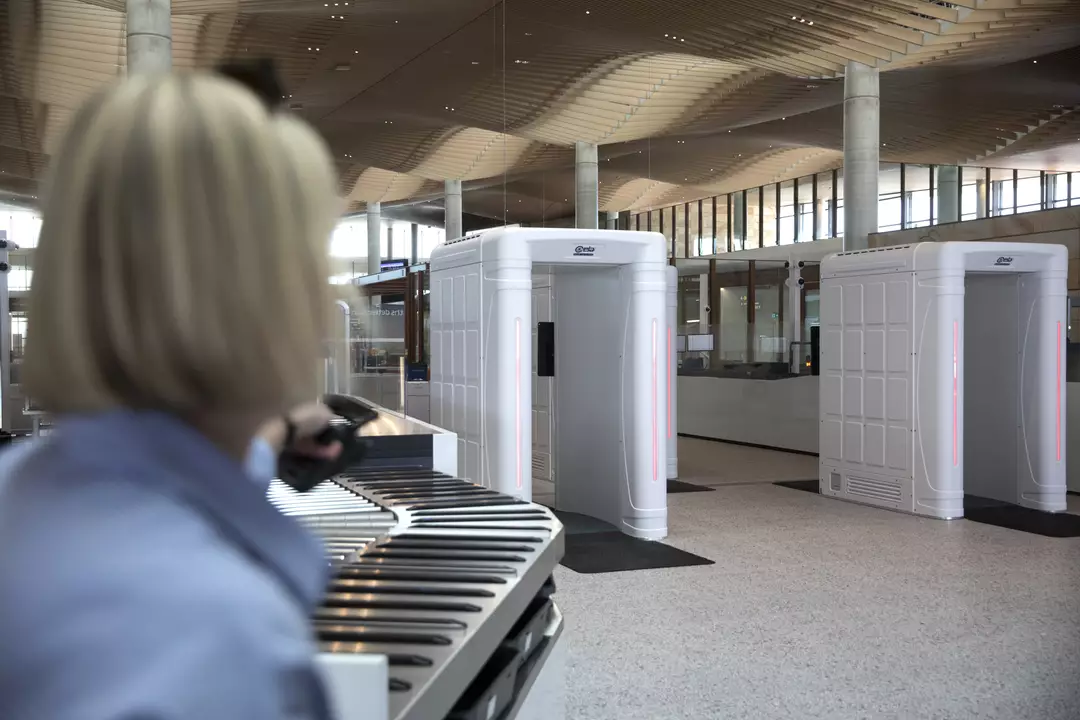
Australia
In Australia, border authorities can inspect electronic devices. Travellers may refuse to unlock a device, but that doesn’t necessarily end the matter.
Even if a device remains locked, officers can still seize it and examine it.
Australian law enforcement has warned that refusing to unlock a device may lead to detention and a more serious escalation, particularly where officers believe the device could contain evidence of criminal activity.
New Zealand
New Zealand also allows border staff to inspect items such as phones, laptops, and tablets, although such searches are described as uncommon.
To request access, officers must have reasonable grounds to suspect illegal activity.
If that threshold is met, travellers may be required to provide passcodes or passwords.
Refusing can result in a fine of up to NZ$5,000 (around US$2,855).

Hong Kong
In March 2026, the US Consulate General in Hong Kong and Macao warned that police in Hong Kong can require travellers to provide not only passwords, but also assistance decrypting devices like laptops and phones.
Following updates tied to Hong Kong’s National Security Law, refusing to comply is described as a criminal offence.
Importantly, this isn’t limited to travellers whose final destination is Hong Kong. It can also apply to passengers transiting via Hong Kong International Airport, including those on connecting flights.
These powers are described as a baseline, with expanded authority available where officials believe a device may be connected to a national security threat.
Mainland China
Information about device searches when entering mainland China is less specific and can vary depending on the region.
Even so, authorities can inspect electronic devices and review the information stored on them, especially in cases framed around national security.
Enforcement may also differ between border points and circumstances, which can make the experience inconsistent and, at times, unpredictable.
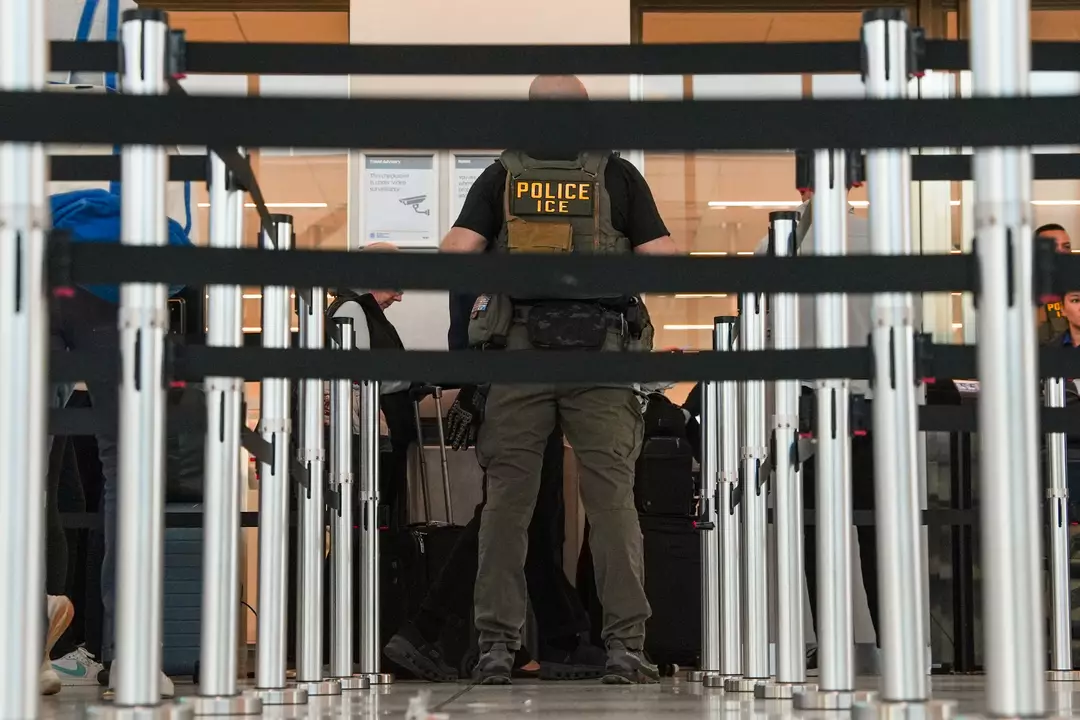
United States
At the US border, officers can search electronic devices—such as phones, laptops, tablets, and cameras—without a warrant.
These checks can happen during standard border inspections.
While refusing to provide a password is not itself a criminal offence, devices may still be seized. Non-US citizens may also face immigration-related consequences if they decline to cooperate.
The US has also proposed introducing a “social media check” at the border that would review up to five years of a traveller’s social media history, though this is not currently in force.