

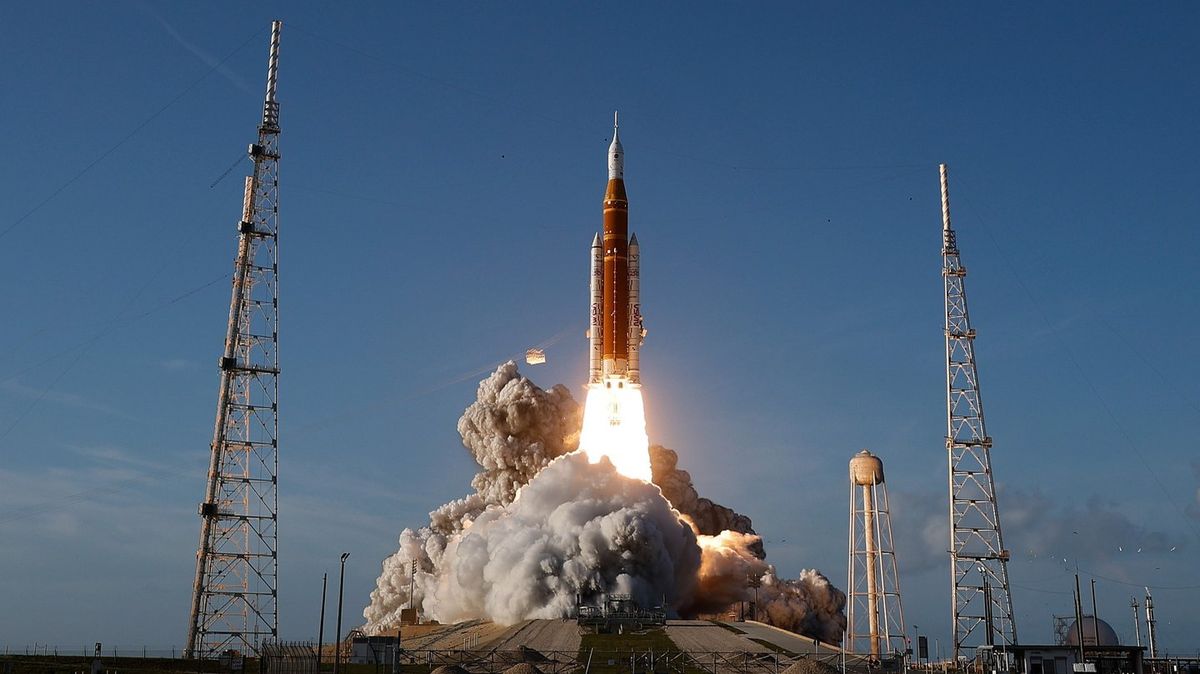
Artemis II astronauts have shared a fresh update after earlier reports that the spacecraft’s toilet system was having problems.
The Artemis II crew — Reid Wiseman, Victor Glover, Christina Koch and Jeremy Hansen — are on a 10-day journey looping around the Moon, with the goal of pushing human spaceflight farther out than ever before.
Even though the mission has largely stayed on track, the team ran into an early obstacle shortly after launch when they began configuring the toilet inside the capsule.
The spacecraft’s toilet system suffered a jammed fan, which interfered with routine urine disposal.
“The toilet fan is reported to be jammed,” NASA spokesperson Gary Jordan stated during live mission commentary. “Now the ground teams are coming up with instructions on how to get into the fan and clear that area to revive the toilet for the mission.”
NASA moved quickly to address the fault, but the bathroom-related concerns haven’t completely disappeared.

The astronauts have since detected a burning smell linked to the hygiene area, giving an update on Friday (April 3), according to Space.com.
“For me, it was some sort of burning odor, and then it was definitely in the hygiene bay,” said Hansen.
“And when I opened up the hygiene bay, the rest of the crew could smell it pretty much immediately.”
Koch noted that the odor resembled something they had already encountered earlier in the flight.
Hansen also said the crew had been briefed before liftoff that they might notice a smell comparable to what happens when a heater is switched on after sitting unused for a long time.
“And I do think it smells similar to that,” he said.
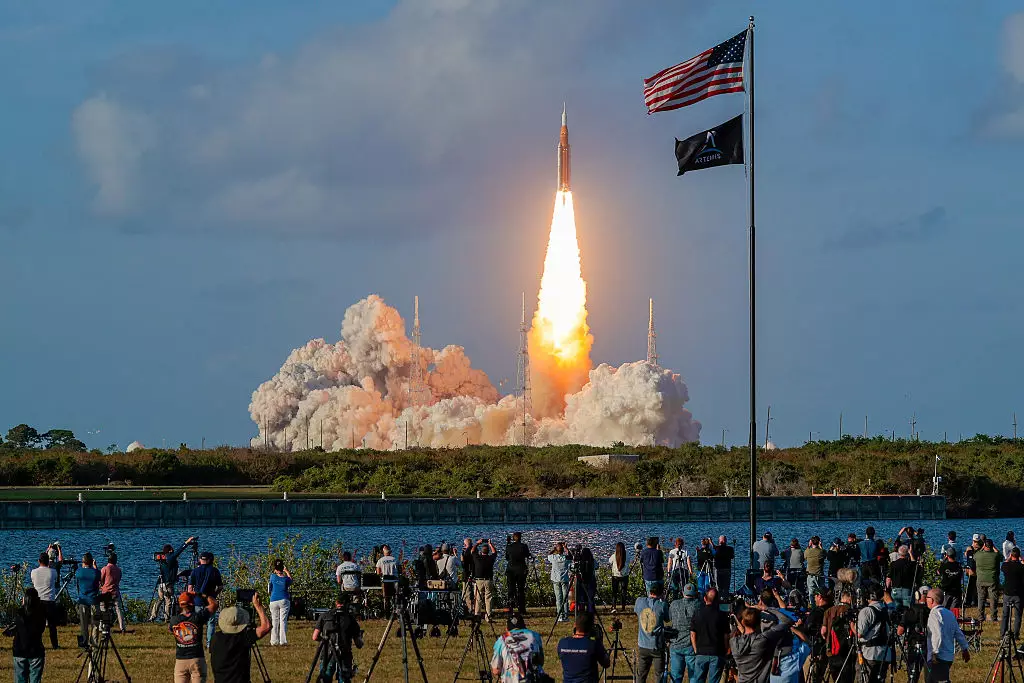
Koch added: “Regarding the smell, I just wanted to make sure you all were tracking the EGS notes of the kind of burning heater smell that was coming from toilet several times.
“It was never identified as the source, what it exactly was, but it was identified as an unknown smell.”
Mission Control initially suspected insulation around the door could be contributing to the odor, and the crew has been told they can keep using the toilet normally.
After completing the translunar injection burn, Artemis II has now escaped Earth’s gravitational hold and is heading toward the Moon.
The crew is expected to reach about 250,000 miles from Earth — a greater distance than any human has travelled before.
With the spacecraft en route, attention now turns to what’s coming next across the remaining days of the mission, and what observers on Earth can anticipate.
Over the coming days, Wiseman, Glover, Koch and Hansen will continue evaluating radio communications and, for those following the mission closely, capturing plenty of imagery through Orion’s windows.
That should mean striking new views of Earth and the Moon from deep space.

One key moment will come when Artemis II enters the lunar sphere of influence — the point at which the Moon’s gravitational pull outweighs Earth’s.
The crew is also scheduled to check their spacesuits, ensuring everything is functioning as it should ahead of next week’s re-entry procedures.
A major highlight follows after that: Orion will swing around the far side of the Moon, taking the astronauts farther from Earth than anyone has gone before.
This region is often referred to as the “dark side of the Moon,” though it isn’t permanently dark and actually receives more sunlight than the face visible from Earth.
The label stems from tidal locking, which keeps the same lunar hemisphere facing Earth, leaving the opposite side out of view from the ground.
During the far-side pass, the crew will focus on photographing the lunar surface, and there will be around 40 minutes when the spacecraft is out of contact with Earth.
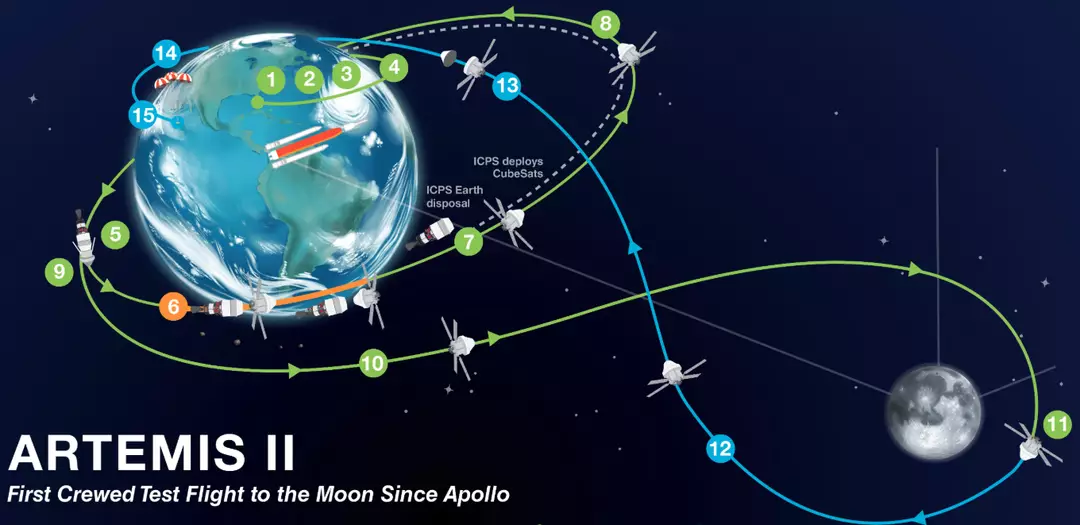
After the lunar flyby, the spacecraft will begin its trip back toward Earth.
Tuesday is slated as a lighter day for the crew following an intense stretch of operations, although downtime inside Orion is still limited.
On Wednesday, the astronauts plan to rehearse building a radiation shelter for protection in the event of solar flares, test compression garments designed to reduce dizziness after returning to gravity, and practice manually controlling the spacecraft.
Artemis II is expected to return to Earth by the weekend, with re-entry considered one of the most demanding phases as the Orion capsule faces temperatures up to 3,000°F.
Once it has safely passed through the atmosphere, parachutes will deploy for a Pacific Ocean splashdown off San Diego, where recovery teams from NASA and the US Navy will be on hand.