


While tipping is often treated as a given in the United States, travel specialists across Europe are urging Americans to rethink their approach abroad, because the customs can be very different.
Tipping may be appreciated in most places, but the reason it carries so much weight in the US is that many hospitality workers depend on gratuities to make up for relatively low base pay. In much of Europe, by contrast, service staff are generally paid at least minimum wage, so tips are more of an extra than an expectation.
That difference is why leaving a large, US-style percentage isn’t always viewed positively overseas. Travel expert Rick Steves has even warned that one well-meant habit can disrupt local norms rather than come across as generous.
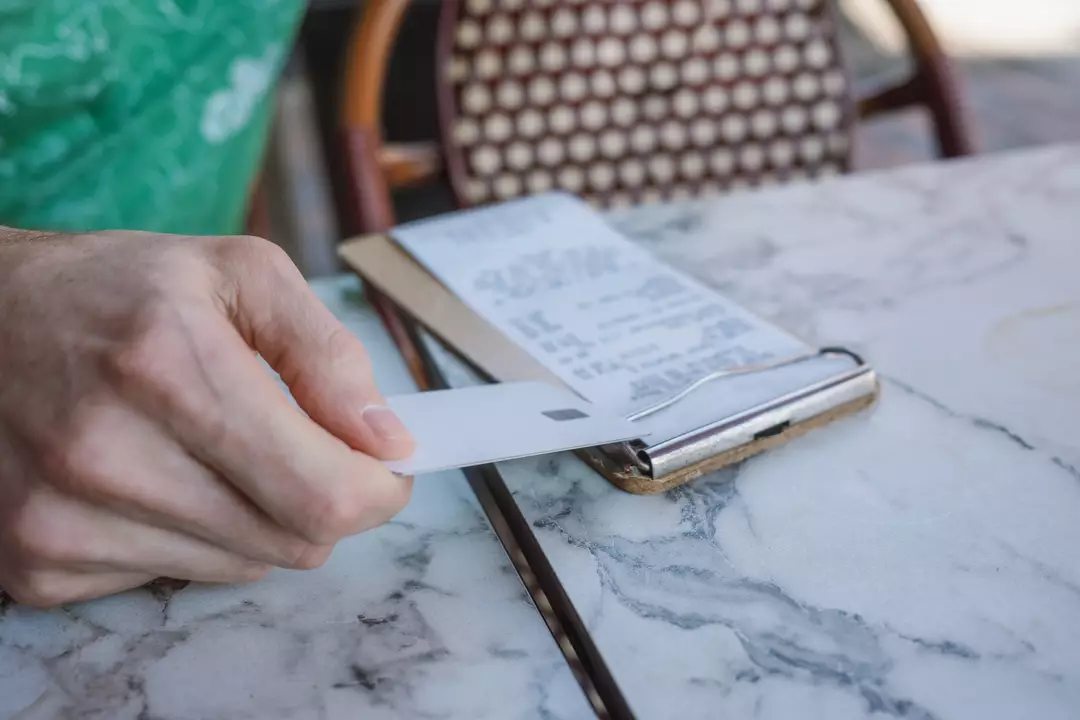
Steves explained: “Restaurant tips are more modest in Europe than in America. Servers are paid a living wage, and tips are considered a small bonus — to reward great service or for simplicity in rounding the total bill to a convenient number. In many countries, 5 percent is adequate and 10 percent is considered a nice tip. Locals just leave coins on the table, round up, or often don’t tip at all.
“Resist the urge to tip American-style. If your bucks talk at home, muzzle them on your travels. As a matter of principle — if not economy — the local price should prevail. Please believe me — tipping 15 or 20 percent in Europe is unnecessary, if not culturally ignorant. You’re just raising the bar and messing up the local balance. And it’s bad style.”
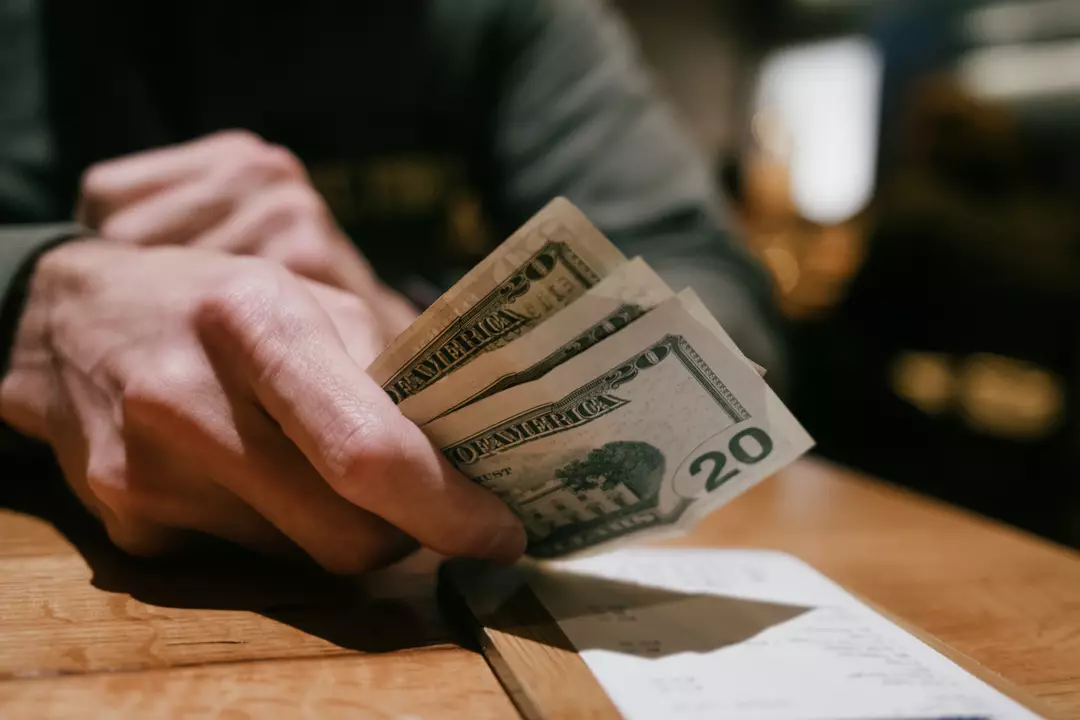
He also notes that, where tipping is appropriate, how you give it matters. Rather than leaving money behind on the table, he recommends handing it directly to the person who served you, particularly in crowded restaurants.
“Since most European credit-card slips don’t have a line for adding a tip, plan on tipping in cash,” he added.
“Typically, it’s better to hand the tip to the server when you’re paying your bill than to leave it on the table, particularly in busy places where the wrong party might pocket the change.”
Customs can also vary from country to country. In places including Germany, Austria, Belgium, Luxembourg, Switzerland and Liechtenstein, offering small-change coins—especially low-value ones—may be taken the wrong way and interpreted as dismissive.
“It is not always the amount alone that shapes the impression,” LaDell Carter, founding partner of Royal Expression Travels in Maryland said. “It is the presentation and the intention behind it.”