


Many people see bees simply as gentle honey-makers, but an incident in Arizona—where a hiker was reportedly stung “over 100 times”—has prompted officials to share a serious safety warning.
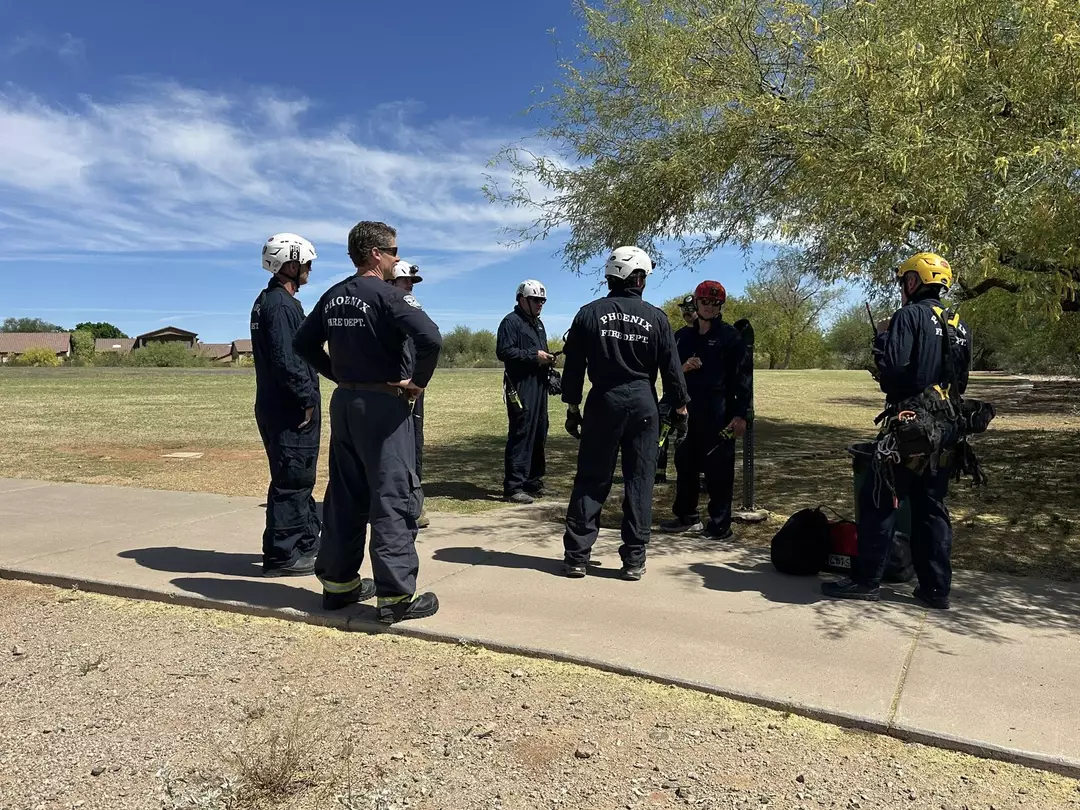
A man had to be rescued from a mountain in Arizona after reports from the Phoenix Fire Department (PFD) said he was “stung multiple times” by bees.
The hiker, who has not been publicly identified, was near the summit of Lookout Mountain in north Phoenix at around 10am on Saturday (April 4) when the attack happened. The stings were so extensive that he couldn’t make it back down the trail on his own.
“Crews located the adult male, who reported over 100 stings and was unable to continue his descent,” a statement from the PFD read.

In a Facebook update, the PFD said crews carried out a “hoist operation” to get him out. He was lifted by helicopter, then handed over to an ambulance and taken to a local hospital in “critical condition.”
The department also used the post to share advice for anyone heading outdoors, starting with a reminder to steer clear of areas where hives may be present and to avoid “disturbing hives.”
Another point of caution focused on fragrance: the PFD warned that perfumes and other scented products can attract bees, making hikers more likely to draw attention in areas where swarms are active.
They also recommended wearing light-colored clothing, which can help reduce defensive responses from bees.

Finally, officials said that if someone encounters a swarm, they should “run away quickly” and focus on protecting the “head and face.”
The warning sparked concern from many readers, with several people adding their own suggestions for avoiding a dangerous encounter.
One person wrote: “LADIES (and men): Avoid perfumes when hiking. Bees absolutely stalk me when I’m near anyplace they’re hanging out. Bees are very persistent!”
Another wrote: “Prayers for him, I hope he is ok. I love to hike the mountain with my kids, now I will be afraid.”
“You can carry a cheap mosquito net that is designed to cover the head. But that is limited protection,” someone else commented.
According to Fox, bees are “very common” on the Phoenix mountain. The report adds that most wild bees in Arizona are believed to be Africanized honey bees—often referred to as “killer bees”—which are “known for being aggressive and highly protective of their hives.”