

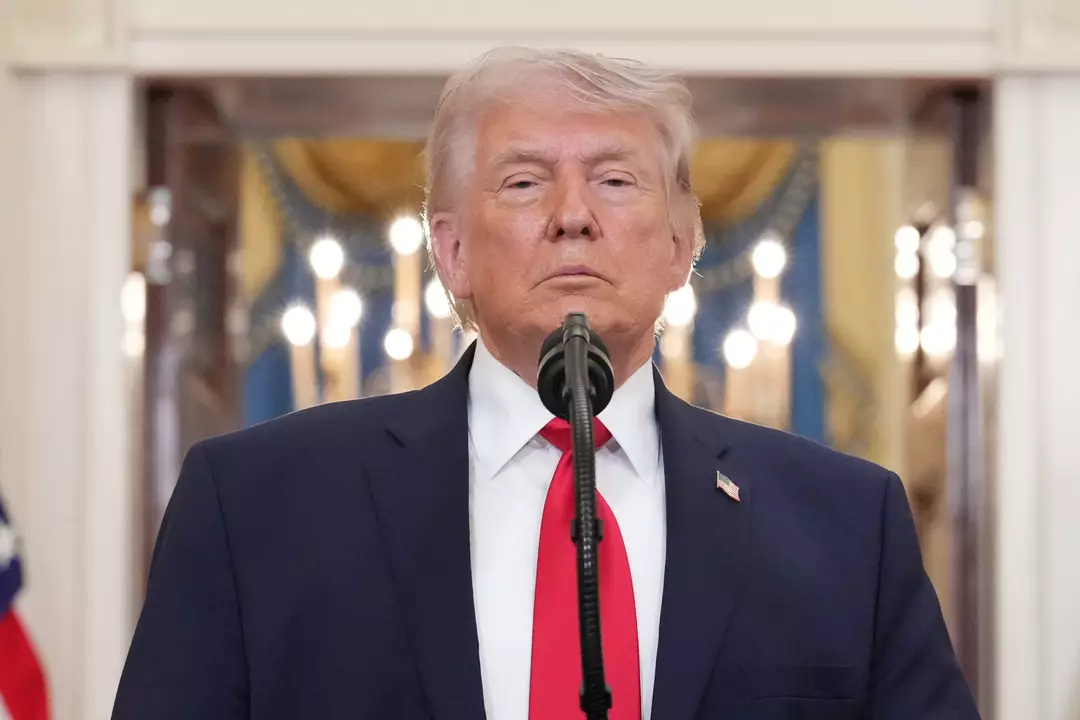
President Trump and senior US officials have lauded the American military after a pair of aviators were rescued following the downing of their aircraft by Iranian fire on Friday.
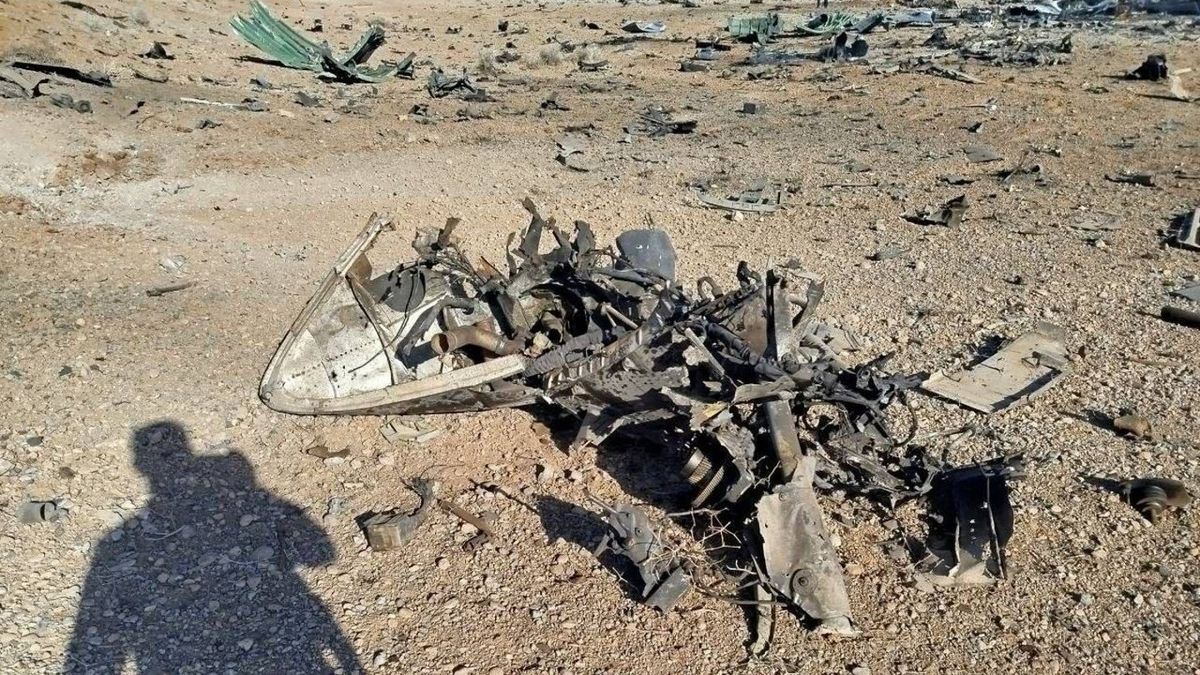
On April 4, a US F-15E Strike Eagle was hit while flying over Iran’s Isfahan province, later going down in southern Iran. Both crew members ejected safely, but they landed behind enemy lines.
US forces moved quickly. Within hours, the pilot was recovered after tracking technology helped pinpoint his location and enable a rapid extraction. The second crew member, however, proved far harder to reach and remained unaccounted for for nearly two days, armed only with a handgun.
After coming down in hostile territory, he reportedly concealed himself in a mountain crevice as authorities in Tehran urged the public to assist in capturing him.
A follow-up operation on Sunday (April 5) ultimately brought the second airman out safely, with the effort said to involve the CIA, misdirection tactics, and specialized aircraft.
Officials said he was injured in the crash but still mobile, allowing him to follow guidance relayed by US personnel. Using a communications device, he contacted officials and verified who he was.
The rescue has since been characterized as nearly cinematic, with multiple complications along the way—including two Black Hawk helicopters coming under attack—before both managed to clear Iranian airspace in time.
As efforts intensified to reach the Strike Eagle’s weapons specialist, US commandos reportedly entered Iran under cover of darkness, climbed a 2,100-meter ridge, and extracted him before moving to a covert rendezvous point on Sunday.
Momentum then stalled when two C-130 transport aircraft carrying roughly 100 special operations troops experienced mechanical problems and could not take off, an anonymous US official said.
Commanders then opted for a higher-risk alternative, directing additional aircraft to enter Iran and evacuate personnel in several waves during a tense, hours-long window.
“If there was a ‘holy s**t’ moment, that was it,” said the official, who has been highly praised for carrying off the mission.
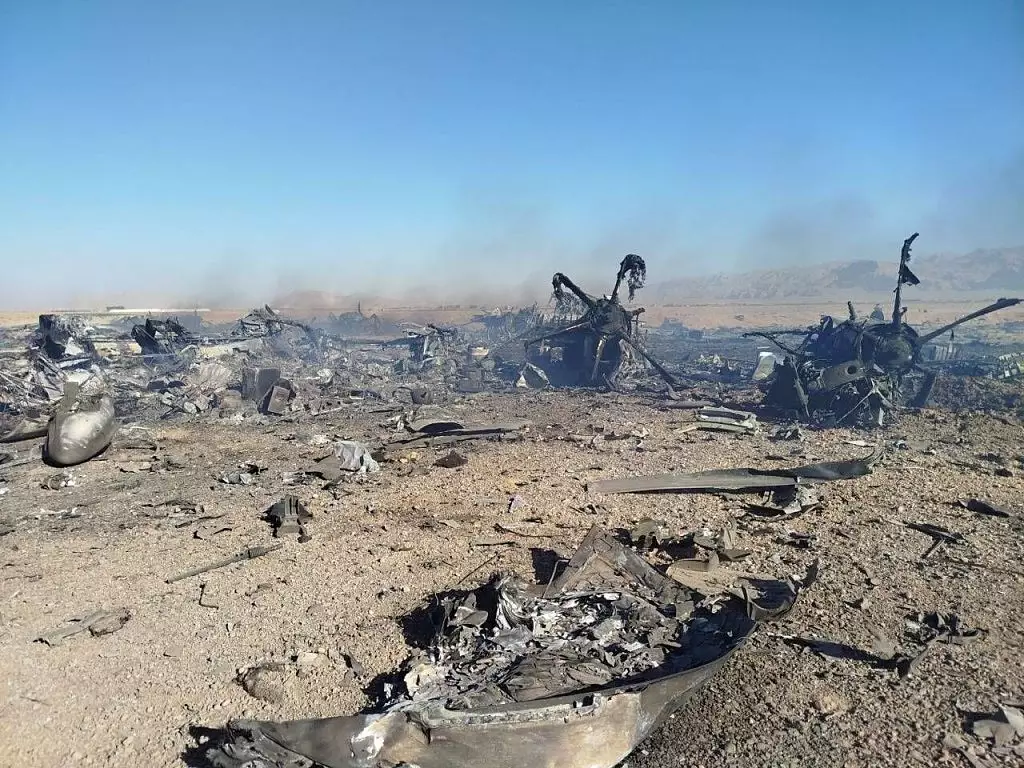
All special operations personnel were ultimately recovered, while both C-130s were destroyed—along with four helicopters—to prevent sensitive gear from being left behind.
US media reports said the Saturday night (April 4) operation involved hundreds of special operations forces and Navy SEAL Team 6, with US aircraft providing protective cover as the second airman was moved out.
Separately, a senior Trump administration official said the CIA ran a deception effort, seeding information implying the missing airman had already been located before the extraction occurred.
The US military also supported the mission by jamming electronics and striking nearby roads, according to reports.
Both crew members had received Survival, Evasion, Resistance, and Escape (SERE) training designed for exactly these scenarios. Their combat vests were also said to include radio/GPS-coded beacons to transmit their positions, while their communications devices enabled contact with rescuers.
As the mission unfolded, Iranian officials reportedly called on local residents to help search for the crew member, while news outlets publicized incentives for anyone who could turn over the “enemy pilot.”
After the operation, Trump confirmed the outcome on Sunday via Truth Social, posting: “WE GOT HIM!”
Officials also noted the broader conflict carried a heavy toll, with 12 US service members killed and 300 wounded.