

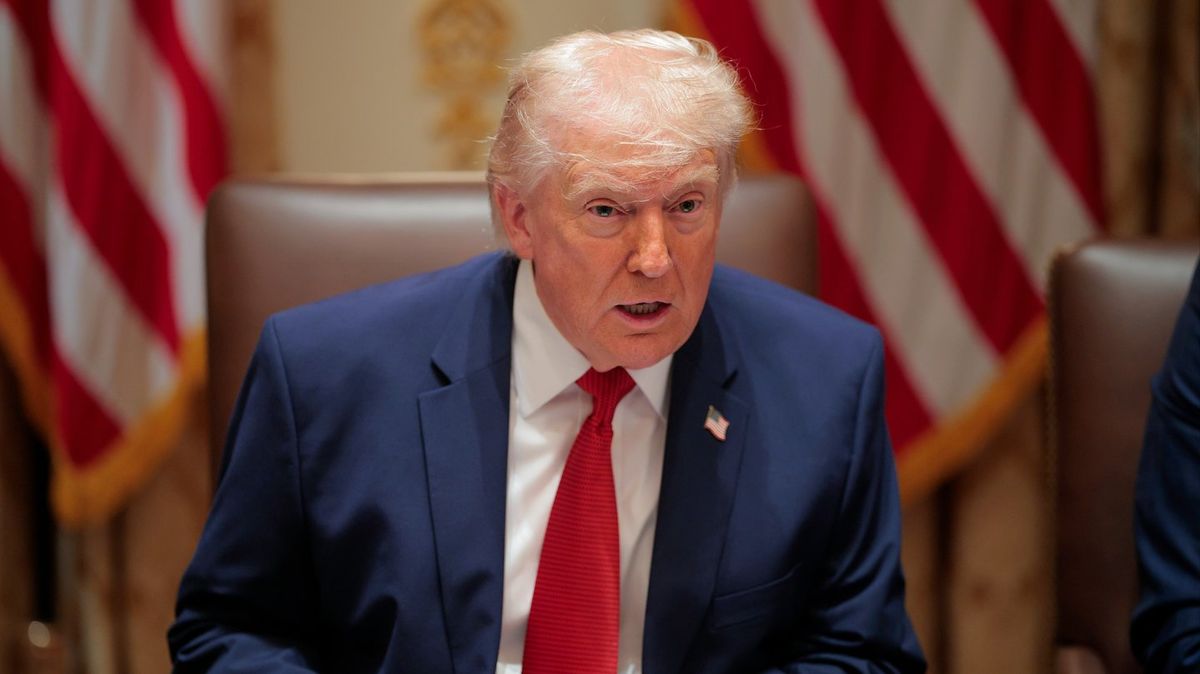
Donald Trump has threatened journalists with prison over reports that a crew member from a downed US fighter jet was unaccounted for.
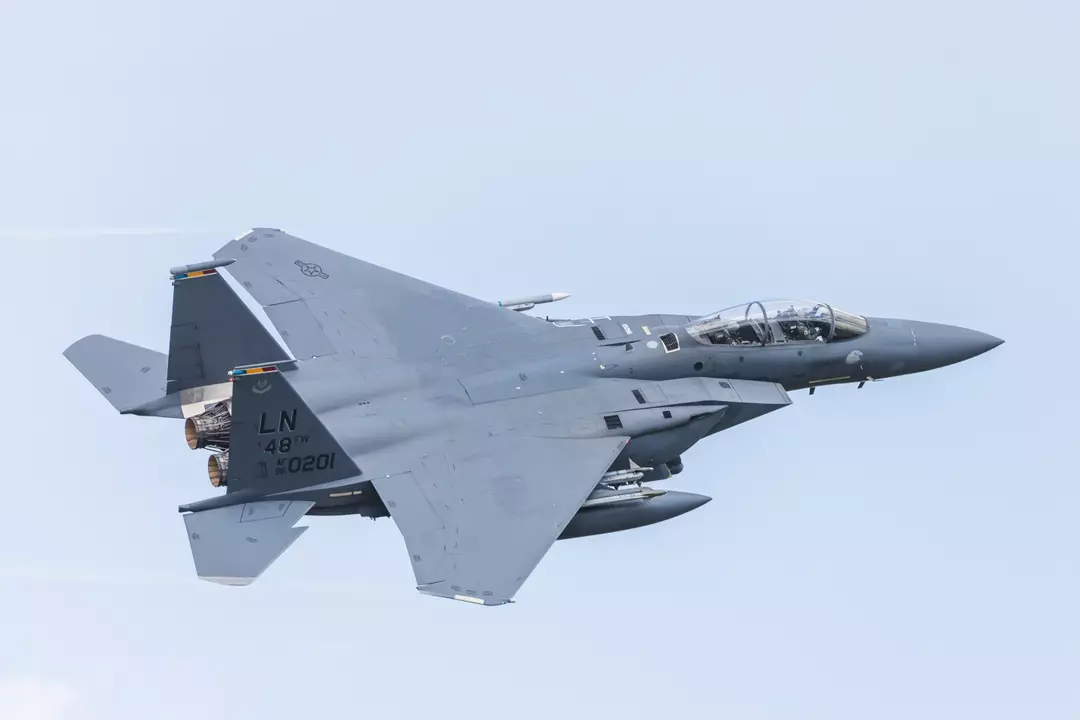
US special forces were dispatched on a search-and-rescue operation after an F-15E was brought down over Iran on April 3. Iranian authorities later said they would offer a reward to anyone who could find the missing crew member.
One of the pilots was recovered within hours of the incident, while the second was located two days later, on April 5.
Iran has said it shot down the aircraft. Trump has also stated that Iran was responsible, describing it as a ‘lucky’ strike by Iranian air defence systems.
Trump has now aimed a warning at an unnamed news organization that first reported the second crew member was missing.
The president said his administration is trying to identify the person who leaked information about the crew member’s status.
He suggested the government could pressure the journalists involved to reveal their source, arguing the matter concerns national security.
He said: “We think we’ll be able to find it out. Because we’re going to go to the media company that released it, and we’re going to say, ‘National security. Give it up or go to jail.’”
Reports said that the White House would not identify the outlet in question, saying it did not want to tip them off.
Trump added: “They basically said that we have one and there’s somebody missing.”
He argued that the media did not know a crew member was missing until the information was leaked.
“I think anybody would understand that they put that [rescue] mission in great risk,” Trump said.
There have been cases in the US where journalists have been jailed after refusing to disclose confidential sources.
In 2005, Judith Miller—who was working for the outlet at the time—served a jail sentence after declining to identify her source during an investigation into who leaked the identity of Valerie Plame as a covert CIA officer in 2003.
While some states and Washington, DC have “shield laws” designed to protect journalists and their sources, there is no federal shield law. In certain circumstances—particularly when officials argue national security is at stake—governments can seek to compel reporters to reveal sources.
Trump’s comments have drawn criticism from Jameel Jaffer, executive director of the Knight First Amendment Institute at Columbia University.
Jaffer said: “President Trump’s threat to force journalists to disclose their sources raises serious press freedom concerns because journalists’ ability to do their work turns in part on their ability to protect their sources’ identities.
“President Trump’s threat should be understood as an effort to intimidate the press and to prevent journalists from doing work the public needs them to do.”